
Peak mosquito season is coming up fast, and if you already have a SWAT Mosquito System installed, now is the time to make sure it’s running at peak performance. At SWAT Mosquito Systems, we believe your backyard should be bite-free, stress-free, and ready for everything from family BBQs to evening relaxation. It’s not just about handling more orders, but doing it smoothly. Think of it like getting your yard ready for summer gatherings, you inspect, adjust, and fine-tune your system so mosquitoes don’t stand a chance when the heat and humidity roll in. We’ll cover how to get your operations in top shape, from your warehouse floor to how you talk to customers. We’ll even touch on how to get the most out of your mosquito misting system, because who wants to be bothered by bugs when things are busy?
Key Takeaways for Peak-Season Mosquito System Optimization
- Get your systems ready for a big jump in website visitors and orders by looking at past data and checking your current setup’s limits.
- Make sure you have enough staff trained and ready, and that equipment is available and working for the busy times.
- Improve how you pick, pack, and manage inventory to get orders out the door faster and more accurately.
- Use the information your systems provide to make smart choices and keep an eye on how well things are going.
- Refine your mosquito misting optimization by looking at bug numbers, changing misting times, and making sure the equipment is set up right.
Prepare Your System for Peak Season Demands
Peak season is coming, and if you haven’t started getting your systems ready, now’s the time. It feels like the sales start earlier every year, right? Back-to-school is barely over, and suddenly everyone’s talking about Black Friday. Consumers are shopping earlier too, so we can’t afford to wait.
Anticipate and Plan for Increased Traffic
Think about how many more people will be visiting your website and placing orders. This isn’t just about having enough stock; it’s about making sure your website and backend systems can handle the rush without slowing down or crashing. A smooth online experience is key to keeping shoppers happy.
Review Historical Data for Insights
Your past performance is a goldmine for planning. Look at what happened during previous busy periods. How many orders did you get? What were your busiest days? What products sold the most? This information helps you guess what’s coming.
Here’s a quick look at what to consider:
- Order Volume: How many orders did you process last year during peak times?
- Top-Selling Products: Which items flew off the shelves?
- Website Traffic: When did you see the biggest spikes in visitors?
- Return Rates: What percentage of items were returned, and why?
Assess Current System Capacity
Now, take a hard look at what your current systems can actually handle. This includes your website’s ability to manage traffic, your warehouse’s storage space, and your processing power for orders. Don’t guess; know your limits. If your systems are already struggling with normal day-to-day business, they definitely won’t cope with a surge.
It’s easy to get caught up in the excitement of potential sales, but a system that can’t keep up will quickly turn potential customers away. Make sure your technology and physical space are ready for the extra load.
Optimize Labor and Resource Allocation
Peak season means more orders, and more orders mean you need more hands on deck and the right tools to keep things moving. It’s not just about hiring bodies; it’s about smart planning.
Prioritize Staffing and Training Needs
Getting enough people is step one. If you wait until the rush is already here to start looking for extra help, you’ll be behind from the start. New hires need time to learn the ropes, especially if you use any special equipment or software. Think about how long it takes to get someone up to speed on your systems. Starting the hiring process early is key to avoiding chaos.
Here’s a quick look at what to consider:
- Hiring Timeline: Factor in time for recruitment, interviews, background checks, and onboarding. This can easily take several weeks.
- Training Duration: How long does it take for a new picker or packer to reach a good productivity level? Add this to your timeline.
- Skill Assessment: Do you need people with specific skills, or can you train general labor? This impacts where you look for candidates.
- Seasonal vs. Permanent: Decide if you need temporary staff just for the peak or if you’re looking to expand your permanent team.
Allocate Resources for Peak Workloads
Once you have your team, you need to make sure they have what they need to do their jobs efficiently. This means looking at your warehouse layout, your equipment, and your processes. Are your picking paths as short as they can be? Are your packing stations set up logically? Sometimes small changes here can make a big difference in how quickly orders get out.
Consider these areas:
- Zone Picking: Assigning staff to specific areas can reduce travel time. This works well if you can sort orders after picking.
- Batch Picking: Grouping similar orders together allows pickers to grab multiple items at once, cutting down on trips.
- Workstation Setup: Ensure packing stations have all necessary supplies readily available to minimize downtime.
Making sure your staff is well-trained and your resources are organized before the busiest period hits can prevent a lot of headaches. It’s about setting up your team for success, not just reacting to demand.
Ensure Adequate Equipment Availability
Don’t forget the tools of the trade. Whether it’s pallet jacks, scanners, packing tape dispensers, or even just enough boxes, having the right equipment in good working order is non-negotiable. Running out of supplies or having broken equipment during peak season is a recipe for disaster. Check your inventory of supplies and the condition of your machinery well in advance. Schedule any necessary maintenance or repairs before the rush begins. This includes things like:
- Material Handling Equipment: Forklifts, pallet jacks, carts.
- Technology: Scanners, printers, computers, Wi-Fi infrastructure.
- Consumables: Boxes, tape, packing material, labels.
- Safety Gear: Gloves, safety glasses, vests.
Enhance Fulfillment Operations Efficiency
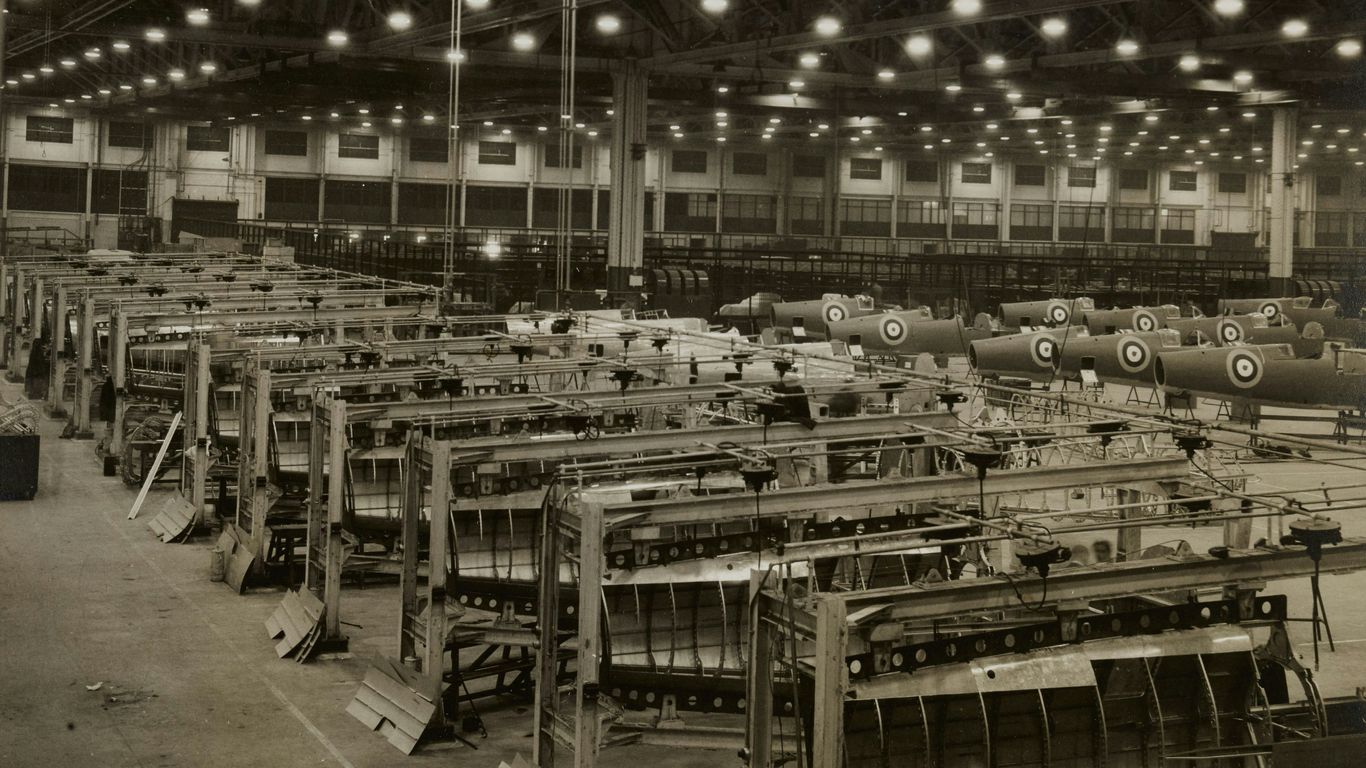
When the orders start piling up, your warehouse operations need to be running like a well-oiled machine. This isn’t just about having enough people; it’s about making sure every step, from picking to packing, is as smooth as possible. Optimizing these processes can significantly cut down on fulfillment times and reduce errors.
Streamline Picking and Packing Processes
Picking and packing are often the most labor-intensive parts of order fulfillment. If your team is spending too much time wandering aisles or fumbling with packaging, it’s time for a change. Consider different picking strategies:
- Discrete Order Picking: One picker handles a single order from start to finish. Good for smaller operations or complex orders.
- Batch Picking: A picker gathers items for multiple orders at once. This cuts down on travel time.
- Wave Picking: Orders are grouped and released in ‘waves’ based on shipping dates or item types, coordinating multiple tasks.
- Zone Picking: Pickers stay in assigned zones, passing orders along an assembly line. This works well for large warehouses.
For packing, think about efficiency. Using a warehouse management system can help by scanning each item to ensure all parts of an order are accounted for before packing. It can also help select the right box size and print necessary documents. Don’t forget to stock up on supplies like boxes, tape, and printer ink well before the rush hits; running out mid-season is a major setback. Having a good system for packing can drastically reduce errors and speed up the process, which is key for customer satisfaction.
Optimize Warehouse Layout for Flow
Your warehouse layout plays a huge role in how quickly orders can be processed. If items are hard to find or the paths are cluttered, it slows everything down. Think about:
- Product Placement: Store high-demand items closer to packing and shipping stations.
- Aisle Traffic: Ensure aisles are clear and wide enough for easy movement, especially with increased foot traffic.
- Station Arrangement: Position packing and shipping stations logically to minimize steps and handoffs.
Sometimes, simple changes like rearranging workstations or implementing ‘put walls’ (where items are sorted for specific orders) can make a big difference. A well-organized layout means less wasted time and more efficient movement throughout the warehouse.
Implement Efficient Inventory Management
Keeping track of what you have and where it is becomes critical during peak season. Accurate inventory management prevents stockouts of popular items and avoids the costly mistake of selling something you don’t actually have. This means:
- Regular Cycle Counts: Don’t wait for a full physical inventory; conduct smaller, frequent counts to catch discrepancies early.
- Clear Labeling: Ensure all shelves and products are clearly and accurately labeled.
- System Updates: Make sure your inventory system is updated in real-time as items are received and shipped.
Accurate inventory isn’t just about knowing what’s on the shelf; it’s about having confidence that your system reflects reality. This confidence saves time and prevents costly errors when fulfilling orders during busy periods.
Leverage Data for Informed Decisions
You’ve got systems in place, which is great. But are you actually using the information they’re spitting out? Peak season isn’t the time to guess; it’s the time to know. Looking at the numbers from past busy periods can tell you a whole lot about what to expect and where to focus your energy.
Utilize System Data for Planning
Think about all the data your systems collect. Your order management system, your warehouse management system, even your website analytics – they’re goldmines. You can see which products flew off the shelves last year, when the biggest rushes happened, and how long it took to get orders out the door. This isn’t just trivia; it’s actionable intel.
- Order Volume Trends: Identify specific days or weeks with the highest order numbers from previous peak seasons.
- Product Popularity: Pinpoint which items were top sellers during busy times to ensure adequate stock.
- Processing Times: Understand the average time it took to pick, pack, and ship orders to set realistic expectations.
- Return Rates: Analyze return data to identify common issues that might be exacerbated during high-volume periods.
Monitor Key Performance Indicators
Once peak season hits, you can’t just set it and forget it. You need to keep an eye on how things are actually going. What metrics matter most for your operation? Maybe it’s how quickly orders are being fulfilled, or perhaps it’s the accuracy of those orders. Tracking these numbers in real-time helps you spot problems before they snowball.
Here are some common metrics to watch:
- Order Fulfillment Rate: The percentage of orders processed and shipped within a set timeframe.
- Order Accuracy Rate: The percentage of orders shipped without errors (correct items, quantities, and addresses).
- Inventory Accuracy: How closely your system’s inventory counts match your physical stock.
- Shipping Time: The average time from order placement to customer delivery.
- Customer Service Response Time: How quickly inquiries and issues are being addressed.
Generate Regular Productivity Reports
Don’t wait for the season to end to see how you did. Set up reports that run daily or even hourly during peak times. These reports should give you a clear picture of your team’s output and highlight any bottlenecks. If you notice a particular station is slowing down, or if a certain process is taking longer than usual, you can jump in and fix it right away. It’s about making small adjustments constantly, rather than waiting for a big, bad surprise.
Relying solely on gut feelings during peak season is a recipe for missed opportunities and unnecessary stress. Your systems are designed to provide objective insights; use them to guide your strategy and make quick, smart decisions when it counts the most.
For example, if your reports show that picking times are increasing significantly on Tuesdays, you might investigate if that’s due to a specific delivery schedule or a staffing issue. Or, if packing accuracy dips after 3 PM, perhaps a refresher training session for the evening shift is in order. These aren’t just numbers; they’re signals telling you where to put your attention to keep things running smoothly.
Strengthen Shipping and Delivery Strategies
Shipping and delivery are the final frontiers of your customer’s experience, especially when demand is high. Getting this part right means happy customers and repeat business. It’s not just about getting the package there; it’s about getting it there efficiently and affordably.
Evaluate Shipping Carrier Options
When peak season hits, your usual shipping partners might get swamped. It’s smart to look at a few different carriers and see who offers the best rates and most reliable service for your specific needs. Don’t just stick with one because it’s familiar. Sometimes, a different carrier might have better capacity or offer more competitive pricing during busy times. Consider using shipping software that lets you compare rates from multiple carriers side-by-side. This can save you a good chunk of money and help you find the best fit for each order. We found that looking into tech-enabled freight partners can really make a difference in managing peak season logistics [73b5].
Optimize Packaging and Labeling
Think about your packaging. Are you using the right size boxes? Too much empty space means you pay for air, and items can get damaged. Too small, and things get crushed. Standardizing box sizes where possible can speed up packing. Also, make sure your labels are clear and correctly placed. A misplaced label can send an order to the wrong place, causing headaches for everyone. Double-checking that all necessary documents are printed and attached correctly is also key to avoiding delays.
Ensure Timely Order Dispatch
Getting orders out the door quickly is the name of the game. This means having a smooth process from when an order comes in to when it’s handed off to the carrier.
- Streamline your packing station setup.
- Have all shipping supplies readily accessible.
- Implement a system for quickly verifying order details before dispatch.
Delays in shipping are a major source of customer frustration. Having a plan to get orders out the door fast, even when you’re swamped, is super important for keeping customers happy and coming back.
Regularly reviewing your dispatch times and looking for bottlenecks can help you identify areas for improvement. It’s all about making that final step as smooth as possible.
Prioritize Customer Experience and Retention
Maintain High Order Accuracy
Mistakes in orders, even small ones, can turn a happy customer into a frustrated one—especially when people are counting on fast, trouble-free deliveries during peak season. Double-checking order details and using barcode scanning reduces missed items or wrong packages. An easy way to track problems is to log errors and review them weekly to spot repeat issues. Break down common error types like this:
| Error Type | % of Total Errors |
|---|---|
| Wrong item sent | 30% |
| Missing item | 18% |
| Address label mistake | 25% |
| Damaged item | 27% |
Reviewing this table with your team helps everyone focus on problem areas for a smoother experience the next time orders spike. Order accuracy is often the first thing your customers notice—and remember.
Minimize Returns and Address Issues
Returns are a headache for both shoppers and businesses, but handling them well can actually keep buyers coming back.
- Offer clear return instructions and provide prepaid labels to cut the hassle.
- Respond fast to complaints or issues. Nothing gets people angrier than waiting on a reply—especially if it’s about money.
- Use data to spot patterns, such as certain items being returned more often, and fix problems at the source.
If a shopper feels you care about fixing an issue, that trust builds loyalty. Sometimes, the way you sort out a complaint does more to boost retention than a perfect order.
Peak season can turn up the volume on problems, but it’s also a chance to show customers you care—even when things go wrong.
Focus on Post-Purchase Engagement
Don’t go silent after the sale. Post-purchase contacts are key for keeping people interested. Some ideas:
- Send a thank-you email or a quick feedback survey—it’s a subtle way to show you care about the whole experience.
- Offer tips about order usage, like a guide or product care instructions. For pest control ideas, share something helpful like ways to keep a party mosquito-free in your email communications.
- Give special offers to returning customers, such as a discount code for their next order. This increases the odds they’ll shop with you again.
Monitoring customer happiness during the rush of peak season isn’t just about putting out fires—it’s about building the kind of loyalty that keeps business steady all year.
Ensure System Readiness and Resilience

Peak season is a marathon, not a sprint, and your systems need to be in top shape to handle the pressure. It’s not just about having the right software; it’s about making sure that software, and all the hardware it relies on, can keep up when things get hectic. A system failure during peak season can mean lost sales, unhappy customers, and a lot of scrambling to fix things.
Test System Performance Under Load
Before the rush hits, you absolutely need to know how your systems will perform when they’re being hammered with orders. Think of it like stress-testing a bridge before you let thousands of cars drive over it. You don’t want to find out your website crashes or your order processing slows to a crawl when you’re in the middle of your busiest period. Running load tests can show you where the weak points are. This involves simulating a high volume of user activity and transactions to see how your infrastructure holds up. It’s a good idea to do this regularly, not just once before peak. You might be surprised at what you find, and it’s much better to discover these issues in a controlled environment.
Develop Contingency Plans for Outages
Even with the best preparation, things can go wrong. Servers can fail, internet connections can drop, or software glitches can pop up. Having a solid contingency plan is non-negotiable. This means knowing exactly what steps to take if a critical system goes down. Who do you call? What’s the backup process? Do you have manual workarounds ready? For example, if your main order management system is unavailable, do your staff know how to process orders manually or via a secondary, simpler system? Having these procedures documented and practiced can save you from a complete standstill. It’s also wise to have a communication plan in place so your team knows what’s happening and what they need to do.
Here’s a quick checklist for your contingency planning:
- Identify critical systems and potential failure points.
- Document step-by-step recovery procedures for each critical system.
- Assign specific roles and responsibilities for outage response.
- Establish clear communication channels for internal teams and external stakeholders.
- Regularly review and update your contingency plans based on test results and lessons learned.
Secure Systems Against Cyber Threats
Peak season often means more transactions, more data, and unfortunately, more opportunities for cybercriminals. Your systems need to be locked down tight. This isn’t just about protecting your business; it’s about protecting your customers’ sensitive information. Make sure all your software is up-to-date with the latest security patches. Implement strong password policies and consider multi-factor authentication wherever possible. Train your staff on recognizing phishing attempts and other common cyber threats. A data breach during peak season could be devastating, both financially and reputationally. Investing in robust security measures is a smart move for any business preparing for increased activity.
A proactive approach to system maintenance and security is far more cost-effective than reacting to a crisis. Regular checks, updates, and employee training build a strong defense against the unexpected, keeping your operations running smoothly when it matters most.
Refine Mosquito Misting Optimization
Analyze Mosquito Population Data
Before you even think about adjusting your misting schedule, you need to know what’s actually going on out there. It’s not just about spraying because it’s Tuesday. We’re talking about looking at the real numbers. Where are the problem areas? When are the mosquitoes most active? Are there specific times of day or weather conditions that make things worse? Gathering this kind of data helps you move from guessing to knowing. Think about setting up simple traps in different zones around your property and checking them regularly. Keep a log – even a basic one – of what you find. This information is gold for figuring out where and when your misting efforts will have the biggest impact.
Adjust Misting Schedules and Frequencies
Once you’ve got a handle on the mosquito activity, it’s time to tweak your plan. If you’re seeing a big spike in activity around dusk in a particular zone, maybe that area needs an extra misting session in the late afternoon. Or, if a certain part of your property is usually pretty clear, you might be able to cut back on the frequency there. The goal is to be smart about where and when you’re spraying, not just spray everywhere all the time. This means looking at things like:
- Weather patterns: Heavy rain can wash away treatments, so you might need to reapply sooner. High winds can make misting less effective and drift treatments to unintended areas.
- Breeding sites: Are there new sources of standing water popping up after rain? Address those first, as they’ll just keep producing more mosquitoes.
- Seasonal changes: Mosquito activity often changes throughout the year. What worked in July might need adjustments in September.
Calibrate Misting Equipment for Precision
Your misting equipment is only as good as its calibration. If the nozzles are clogged or the pressure is off, you’re not going to get the right coverage. This can lead to wasted product and, worse, ineffective mosquito control. It’s like trying to paint a wall with a leaky hose – messy and not very effective. Make sure you’re following the manufacturer’s guidelines for cleaning and calibrating your equipment regularly. This includes checking:
- Nozzle condition: Are they worn out or clogged? Replace them as needed.
- Pressure settings: Are they set to the recommended level for your specific product and equipment?
- Flow rate: Is the amount of product being dispensed consistent and accurate?
Getting your equipment dialed in means you’re using the right amount of product, applying it evenly, and making sure it actually gets to where it needs to go. It’s a small step that makes a big difference in how well your whole system works.
Want to make your yard a mosquito-free zone? We can help you find the best way to keep those pesky bugs away. Our systems are designed to work automatically, so you don’t have to worry about them. Ready to enjoy your outdoor space again? Visit our website to learn more about how we can help you get rid of mosquitoes for good!
Wrapping It Up
Don’t wait until mosquitoes take over your backyard. Schedule your peak season tune-up with SWAT Mosquito Systems today and enjoy uninterrupted outdoor comfort all summer long. Contact SWAT to book your professional inspection and make sure your system is ready when you need it most. It might seem like a lot, but tackling these things now means you’ll be in a much better spot when things get hectic. Think of it like getting your car tuned up before a long road trip – you don’t want to break down in the middle of nowhere, right? By making smart choices with your inventory, staff, and even your supplies, you’re setting yourself up for a smoother, less stressful peak season. And hey, happy customers usually mean repeat business, so it’s a win-win.