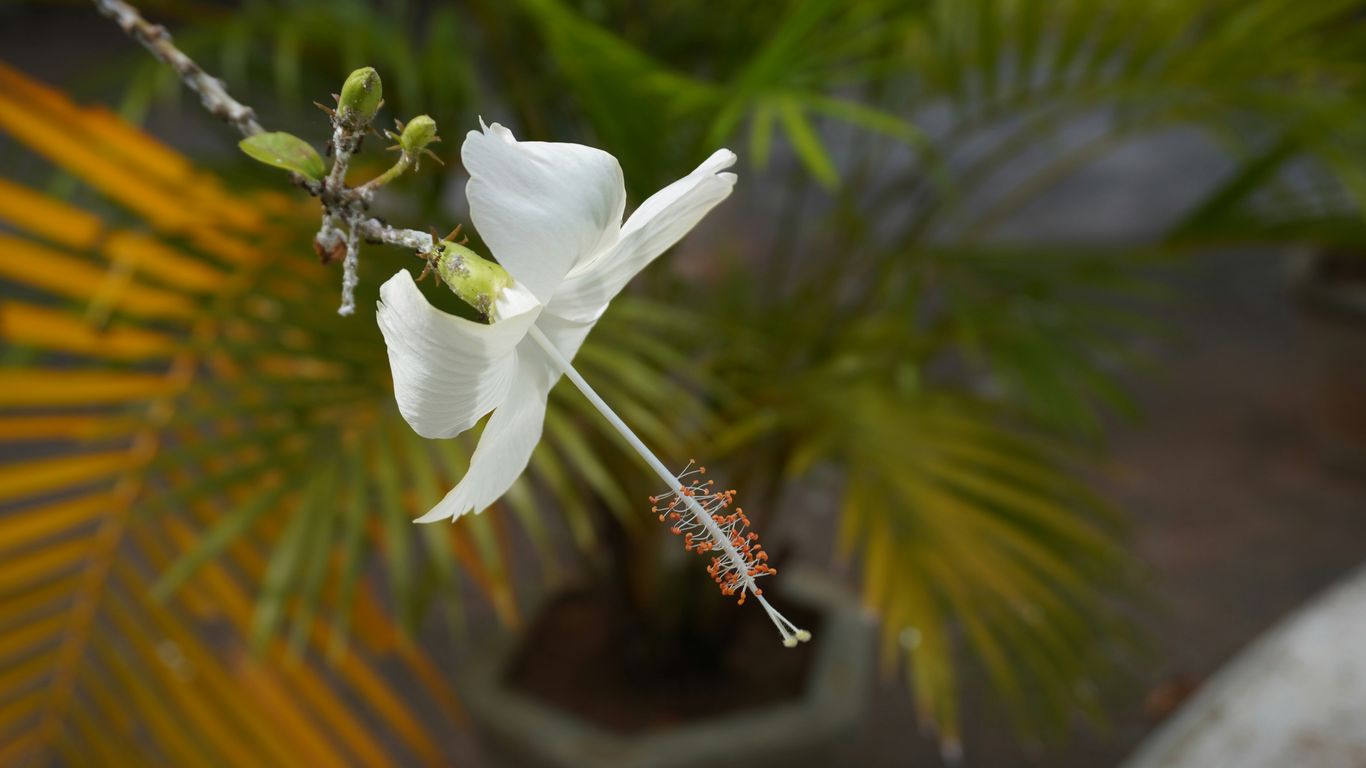
Mosquitoes can make outdoor living uncomfortable, especially in Florida’s warm climate. For generations, people have turned to pyrethrum, a natural extract from chrysanthemum flowers to help keep biting insects away. Today, SWAT Mosquito Systems® uses this plant-powered ingredient inside advanced automated misting systems to create a safer, more enjoyable environment for homeowners.

Key Takeaways

  • Pyrethrum is a natural, fast-acting mosquito repellent and insecticide.
  • Mosquitoes avoid areas treated with pyrethrum due to scent-based signals.
  • SWAT’s automated misting systems maximize pyrethrum’s effectiveness.
  • Safe for families, pets, and year-round Florida outdoor living.

What Is Pyrethrum?

Pyrethrum comes from chrysanthemum petals and contains compounds called pyrethrins. These naturally occurring substances deter mosquitoes and have been used around the world for centuries. Because pyrethrum breaks down quickly in sunlight, it remains a safe and effective option for residential mosquito control.

How Pyrethrum Repels Mosquitoes

Mosquitoes rely heavily on scent, and pyrethrum disrupts that process. When mosquitoes detect pyrethrum in the air, their antennae signal danger, causing them to avoid the treated area. This “spatial repellency” helps protect your outdoor spaces before mosquitoes even attempt to land.

How Pyrethrum Neutralizes Mosquitoes

In addition to repelling mosquitoes, pyrethrum affects the insect nervous system upon direct exposure. Pyrethrins overstimulate nerve cells, leading to rapid knockdown. This fast action is especially beneficial during peak mosquito hours.

Why SWAT Uses Pyrethrum in Automated Systems

Pyrethrum is most effective when applied consistently and evenly something difficult to achieve with handheld sprays. SWAT Mosquito Systems® solves this with automated misting

technology that distributes pyrethrum-based formulas at optimal times of day. The result is continuous protection without hassle.

Creating a Protective Perimeter

SWAT’s systems establish a consistent perimeter of coverage around outdoor spaces such as patios, pools, and play areas. This enhances pyrethrum’s natural repellency and creates a more comfortable environment for families and guests.

Safe for Homes, Pets, and Outdoor Living

Because pyrethrum fades quickly in sunlight, it doesn’t leave long-lasting residue. SWAT customers appreciate its effectiveness as well as its compatibility with family-friendly outdoor living.

Natural vs. Synthetic Options

Synthetic repellents may mimic pyrethrum’s chemistry but often remain in the environment much longer. SWAT prioritizes solutions that balance strength and safety, making natural pyrethrum a preferred choice for automated misting.

Year-Round Protection

Florida mosquitoes thrive in nearly every season. Pyrethrum’s fast action, paired with SWAT’s programmed mist cycles, helps maintain strong, reliable protection all year long.

Wrapping It Up

Pyrethrum remains one of nature’s most effective mosquito deterrents, and SWAT Mosquito Systems® enhances its power through precise, automated misting technology. By combining a trusted natural ingredient with expertly designed delivery, SWAT helps homeowners enjoy safer, more comfortable outdoor living—without the hassle of manual sprays or temporary solutions.

Reclaim Your Backyard

Pyrethrum’s potent natural properties make it an ideal partner for SWAT Mosquito Systems® and our advanced automated misting technology. If you’re ready for a more enjoyable outdoor experience, we’re here to help.

Schedule your free SWAT consultation today


Florida yards are meant to be a place to unwind, but mosquitoes quickly turn outdoor living into a battle of bites. Many homeowners look for natural mosquito killers, and while some can help, Florida’s climate requires solutions that truly hold up. At SWAT Mosquito Systems, we’ve helped thousands of families enjoy their yards again with custom-engineered mosquito misting systems designed specifically for Florida living. Before choosing any approach, natural or otherwise it’s important to understand what actually works and what won’t make a dent.

Key Takeaways

  • Natural options like essential oils and plant-based deterrents can help reduce mosquito activity, but none offer the consistent, automatic protection that Florida homeowners typically need. SWAT Mosquito Systems integrates natural principles with automated, precisely-timed misting for year-round results, making it easier to supplement natural methods with something truly reliable.
  • Eliminating standing water is a top priority, as this is where mosquitoes breed. Regularly check and empty containers, gutters, and other spots where water can collect.
  • While natural remedies can help, professional treatments and systems, like those offered by Mosquito Joe, Mosquito Squad, or MosquitoNix, often provide more consistent and long-lasting protection.
  • Some products use ingredients like Bacillus Thuringiensis (Bt) which targets mosquito larvae but is safer for other wildlife.
  • Even simple methods like using an electric fan can make a difference by blowing away your scent and making it harder for mosquitoes to find you.

Essential Oils

Essential oils like citronella, lavender, and eucalyptus can deter mosquitoes temporarily, but their effect fades quickly, especially in humid Florida weather. Many SWAT customers start with DIY sprays and later invest in a misting system that automates protection instead of relying on constant reapplication.

While they aren’t a magic bullet that lasts for days, essential oils can offer a pleasant-smelling, more natural alternative to harsh chemicals. Some of the most talked-about oils for mosquito deterrence include citronella, lavender, eucalyptus, peppermint, basil, and rosemary. You can find these oils in various forms, from diffusers to DIY sprays.

It’s important to remember that while essential oils can help, they often need to be reapplied more frequently than synthetic repellents, especially after rain or watering.

Here are a few ways people use them:

  • DIY Sprays: Mix a few drops of your chosen essential oil (like citronella or eucalyptus) with water and a bit of witch hazel or rubbing alcohol in a spray bottle. Give it a good shake and spritz it around your yard, focusing on areas where you relax or where mosquitoes seem to hang out.
  • Planting Herbs: Growing basil or rosemary in pots or your garden can add a nice aroma to your yard and also help keep mosquitoes at bay.
  • Oil Diffusers: Using outdoor diffusers with mosquito-repelling essential oils can create a scented barrier.

Keep in mind that essential oils, even natural ones, can sometimes be strong. It’s always a good idea to check if they might affect pets before you go spraying them all over the place. Also, their effectiveness can vary, and they might not be as long-lasting as some other methods.

Citronella

Citronella is a classic natural repellent, but in Florida’s climate its scent dissipates fast. While it’s great for small patio areas, homeowners who want consistent backyard coverage often pair citronella candles with SWAT’s perimeter-based misting lines for a more dependable barrier.

While citronella is great for creating a less inviting environment for mosquitoes, it’s not a magic bullet. Its effectiveness can be short-lived, especially outdoors where wind and rain can dissipate the scent quickly. For best results, you’ll want to reapply or refresh your citronella sources regularly.

Here are a few ways people use citronella:

  • Citronella Candles and Torches: These are super convenient for patios and decks, creating a localized zone of protection. Just remember they work best in calm conditions.
  • Citronella Essential Oil: You can mix this with water and a carrier like witch hazel to create a DIY spray for your yard. It’s a good option for targeting specific areas.
  • Citronella Plants: Planting citronella grass around your yard can offer some passive protection, though it’s generally less potent than concentrated oils or candles.

It’s important to remember that while citronella is a natural repellent, its effectiveness can vary. For extended protection, especially in areas with high mosquito populations, you might need to combine it with other methods.

When using citronella, think of it as part of a larger strategy. It’s a solid choice for making your immediate outdoor space more comfortable, but don’t rely on it as your sole defense against Florida’s persistent mosquitoes.

Lemon Eucalyptus

Lemon eucalyptus oil is one of the most proven natural repellents, and many SWAT customers appreciate that our systems can incorporate botanically-derived formulas. Just keep in mind that plants alone won’t stand up to peak mosquito pressure in Florida. Automated misting ensures protection even on days when plants or sprays fall short.

The CDC even recognizes oil of lemon eucalyptus as an effective ingredient in insect repellents. That’s a pretty big deal when you’re trying to figure out what actually works. You can find it in a lot of commercial natural bug sprays, but you can also use it more directly.

Here’s a quick rundown of why it’s a good option:

  • Repels Mosquitoes: Its scent is a major turn-off for them.
  • CDC-Recognized: It’s an ingredient that health organizations trust.
  • Natural Origin: Derived from a plant, making it a preferred choice for many.

It’s not just about spraying it everywhere, though. Sometimes, just having plants around can help a little. But for real protection, especially in a place like Florida where mosquitoes can be relentless, you’ll likely want to use products that contain a good concentration of lemon eucalyptus oil. It’s a solid step towards a more comfortable outdoor experience without resorting to harsher chemicals.

Lavender

Lavender is another one of those plants that smells amazing to us but seems to be a big turn-off for mosquitoes. It’s a pretty common go-to for natural pest control, and for good reason. You can plant it around your patio or deck, or even use lavender essential oil.

Using lavender essential oil can help mask the scents that attract mosquitoes to you. It’s a gentle option that doesn’t involve harsh chemicals, which is always a plus when you’re trying to enjoy your yard. You can mix a few drops of lavender oil with water in a spray bottle and spritz it around your outdoor living areas. Just be aware that, like most natural repellents, you’ll probably need to reapply it more often than synthetic options, especially after it rains or if you’re watering your plants.

Here’s a quick rundown of how you might use lavender:

  • Planting: Add lavender plants to your garden beds or pots near seating areas.
  • Essential Oil Spray: Mix 10-15 drops of lavender essential oil with water and a bit of witch hazel in a spray bottle. Shake well before each use.
  • Diffusers: Use an outdoor-safe essential oil diffuser with lavender oil on your patio.

While lavender is a pleasant-smelling plant for humans, its strong aroma is known to deter mosquitoes. Incorporating it into your yard can create a more comfortable outdoor experience without resorting to chemical treatments. It’s a simple, natural addition that contributes to a less inviting environment for these pesky insects.

Peppermint

Peppermint is another one of those herbs that mosquitoes just don’t seem to like. Its strong, fresh scent is thought to disrupt their ability to find us, which is pretty handy. You can use peppermint in a few ways around your yard.

One popular method is to make a spray. You can mix peppermint essential oil with water and maybe a little bit of witch hazel or rubbing alcohol to help it mix. Then, just spray it around your patio, deck, or wherever you tend to hang out outside. It’s a pretty simple way to create a bit of a buffer zone.

  • Mix 1 cup water, 1 cup witch hazel, and about 20 drops of peppermint essential oil.
  • Shake well before each use.
  • Spray around outdoor seating areas and entryways.

Beyond sprays, you can also plant peppermint in pots or directly in your garden. Just be warned, peppermint can spread, so planting it in containers might be a good idea if you don’t want it taking over your flower beds. Having fresh peppermint growing can also be nice for making tea or garnishes, so it’s a win-win.

While peppermint can help, it’s often best used as part of a larger strategy. For really persistent mosquito problems, you might need to look into other solutions.

If you’re using peppermint oil, remember that essential oils can be potent. Always dilute them properly before applying them to skin or surfaces.

Basil

You know, basil isn’t just for pesto anymore. Turns out, this common kitchen herb can actually help keep mosquitoes away from your yard. Who knew, right? The scent of basil is what does the trick. Mosquitoes really don’t seem to like it.

Planting basil around your patio or deck is a simple way to add a layer of natural mosquito defense. It’s pretty low-maintenance, too. You can grow it in pots or directly in the ground. Just make sure it gets enough sun and water, like most plants.

Here’s a quick rundown on why it works and how to use it:

  • Repellent Scent: The aromatic oils in basil leaves are a natural deterrent for mosquitoes.
  • Easy to Grow: Thrives in warm weather and can be planted in containers or garden beds.
  • Dual Purpose: You get mosquito protection and fresh herbs for cooking!

It’s not a magic bullet, of course. For serious mosquito problems, you’ll probably need to combine basil with other methods. But for a little extra help in keeping those buzzing pests at bay, it’s a nice, natural option to consider.

While basil is a great addition for repelling mosquitoes, remember that its effectiveness can vary. It’s best used as part of a broader strategy rather than a sole solution for heavy infestations.

Rosemary

Rosemary, that fragrant herb you might have growing in your garden, can also be a friend in the fight against mosquitoes. It’s not just for cooking or adding a nice smell to your yard; its natural properties can help keep those pesky bugs away.

The scent of rosemary is a natural deterrent for mosquitoes. You can use it in a few ways. One simple method is to burn rosemary sprigs. The smoke produced carries the herb’s scent, which mosquitoes aren’t fond of. This can be a nice addition to an outdoor gathering, providing both ambiance and a bit of bug protection. You could also try crushing fresh rosemary leaves and rubbing them on your skin, though this is more of a temporary fix. For a more widespread effect in your yard, consider planting rosemary bushes around your patio or seating areas. This way, you’re using the plant itself as a natural barrier. Some people even freeze citrus slices with herbs like mint or rosemary, which can help deter these pests from your yard.

Here are a few ways to incorporate rosemary:

  • Burn Rosemary Sprigs: Light a few dried sprigs and let the smoke waft through your outdoor space.
  • Plant Rosemary: Integrate rosemary plants into your landscaping, especially near areas where you spend time outdoors.
  • Rosemary Oil: Diluted rosemary essential oil can be used in diffusers or homemade sprays, but always test a small area first and use caution, especially around pets.

While rosemary isn’t a magic bullet that will make all mosquitoes disappear instantly, it’s a pleasant-smelling, natural option that can contribute to a more comfortable outdoor experience. It’s a good idea to combine it with other methods for the best results.

Eliminate Standing Water

Removing standing water is still the #1 homeowner-controlled strategy, no question. SWAT technicians check for these issues during system installations because even the best misting system works better when mosquitoes have fewer breeding sites.

Think about all the places water can collect. It’s not just ponds or bird baths. Little things add up. Check these spots regularly:

  • Plant saucers under pots
  • Clogged gutters
  • Old tires or buckets left outside
  • Children’s toys that can hold water
  • Tarps or pool covers that sag
  • Unused pet water bowls

The goal is to drain or empty any container that can hold even a small amount of water. If you have something like a rain barrel that you need to keep, make sure it’s covered tightly so mosquitoes can’t get in to lay eggs. For things you can’t easily drain, like decorative ponds, consider using mosquito dunks. These contain a natural bacterium that kills mosquito larvae but is safe for other animals and people.

It might seem like a lot of work at first, but making a habit of checking for and removing standing water will drastically reduce the mosquito population around your home. It’s a simple, effective, and free way to take back your yard.

Don’t forget about those less obvious places. Even a bottle cap full of water can be a breeding ground. A quick walk around your property a couple of times a week can save you a lot of itchy bites later on.

Mosquito Traps

Mosquito traps can be a helpful addition to your yard’s defense against these pesky insects. They work by luring mosquitoes in with attractants like carbon dioxide, heat, or specific scents, and then capturing or killing them. Different traps use various methods, so understanding how they function is key to choosing the right one for your needs.

Some common types of mosquito traps include:

  • CO2 Traps: These mimic human breath by releasing carbon dioxide, a primary attractant for mosquitoes. They often come with additional lures like octenol to increase their effectiveness.
  • UV Light Traps: While often marketed for mosquitoes, these are generally more effective at catching other flying insects. However, some models do attract certain mosquito species.
  • Ovicidal Traps: These traps target female mosquitoes trying to lay eggs. They contain a liquid that attracts egg-laying females, and the larvae that hatch are then killed.
  • Propane-Powered Traps: These are often the most effective, using propane to create CO2 and heat, along with other attractants, to draw in and trap mosquitoes over a wider area.

When considering a mosquito trap, think about the size of your yard and the specific types of mosquitoes you’re dealing with. Placement is also really important; you’ll want to put them in areas where mosquitoes tend to gather, away from where you and your family spend most of your time. It’s not a magic bullet, but used correctly, a good trap can definitely make a difference in reducing the overall mosquito population around your home.

Mosquito-Repelling Vegetation
a close up of a fly

You know, sometimes the simplest solutions are right in front of us, growing in our own backyards. Planting certain herbs and flowers can actually help keep those pesky mosquitoes away. It’s like nature’s own little defense system. The idea is to introduce plants that emit scents mosquitoes just can’t stand.

Think about adding some of these to your garden beds or even pots on your patio:

  • Citronella Grass: This is the classic. You’ve probably seen citronella candles, but planting the actual grass can create a natural barrier.
  • Lavender: Besides smelling great to us, mosquitoes really dislike the scent of lavender. Plus, it looks pretty!
  • Lemon Eucalyptus: The oil from this plant is known to be quite effective. It’s often found in natural repellent products.
  • Peppermint and Basil: These common kitchen herbs aren’t just for cooking; their strong aromas can confuse and deter mosquitoes.
  • Rosemary: Another fragrant herb that mosquitoes tend to avoid.

It’s not just about planting them, though. You can also use parts of these plants, like crushing leaves or using essential oils derived from them, to create your own natural sprays. For instance, a simple mixture of water, witch hazel, and a few drops of citronella and lavender oil can be sprayed around your outdoor living areas. It’s a good idea to reapply these natural sprays regularly, especially after it rains. For a more robust defense, consider integrating these plants with other methods, like automatic insect spray systems, to really reclaim your outdoor space. Florida homeowners are increasingly adopting these systems for continuous protection.

While planting these herbs and flowers can make a difference, especially in smaller areas or as a complement to other methods, don’t expect them to be a magic bullet for a major mosquito problem. Their effectiveness can vary, and they might need frequent reapplication or combination with other strategies for complete control.

Bacillus Thuringiensis (Bt)

When you’re looking for ways to tackle mosquitoes in Florida, especially those pesky larvae, you might come across something called Bacillus thuringiensis, or Bt for short. It’s a naturally occurring soil bacterium, and it’s pretty neat because it has a specific way of dealing with certain insect larvae, including mosquito larvae.

Basically, when mosquito larvae eat Bt, a toxin produced by the bacteria gets released in their gut. This toxin messes with their digestive system, and they stop eating and eventually die. The cool part is that Bt is really targeted; it mainly affects the larvae of certain flies, like mosquitoes, and doesn’t really bother other insects, pets, or people. It’s a much gentler approach compared to broad-spectrum chemical sprays that can harm beneficial insects like bees and butterflies.

Here’s a quick rundown of how it works:

  • What it is: A naturally occurring bacterium found in soil.
  • How it works: Produces a toxin that specifically targets certain insect larvae.
  • Application: Often found in “mosquito dunks” or granules that you can add to standing water.
  • Effectiveness: Targets larvae before they can become biting adults.

You can find Bt products in forms like “dunks” that you float in water sources or as granules to sprinkle around. They’re a good option for water that you can’t easily drain, like bird baths or old tires that collect rain. Just remember, it’s most effective when you apply it to the water where the larvae are developing.

Electric Fan

You know, sometimes the simplest solutions are the most overlooked. When it comes to keeping mosquitoes away from your patio or deck, don’t underestimate the power of a good old-fashioned electric fan. It might sound too easy, but these things can actually make a big difference.

Mosquitoes are pretty weak flyers. They don’t have the muscle to fight against a steady breeze. So, if you set up a fan, especially a powerful oscillating one, you create a zone where they just can’t easily get to you. It’s like an invisible barrier.

Here’s the lowdown on how it works:

  • Disrupts Flight: The moving air makes it tough for mosquitoes to land or even fly in your direction.
  • Disperses CO2: Mosquitoes find us by smelling the carbon dioxide we exhale. A fan helps to blow that scent away, making you harder to detect.
  • Cools You Down: Bonus! It makes your outdoor space more comfortable for you, too.

For best results, aim the fan directly at your seating area. You’ll want to position it so the breeze is blowing across you, not just around you. A larger fan or multiple fans can cover a bigger space, which is great if you’re entertaining.

While not a magic bullet for eliminating every single mosquito, a fan is a surprisingly effective way to reduce their presence in your immediate vicinity. It’s a non-toxic, low-effort method that complements other strategies.

Think about using it on your porch, deck, or even near a picnic table. It’s especially handy for those humid Florida evenings when the bugs are out in full force. It’s a great addition to your mosquito control arsenal, and you might already have one sitting around the house. For more advanced outdoor pest solutions, companies like MoShield offer specialized services.

Mosquito Misting Systems

Mosquito misting systems offer true set-and-forget protection, especially in Florida. SWAT Mosquito Systems specializes in custom-built, low-visibility misting lines designed for your property layout, using automated cycles that activate exactly when mosquitoes are most active. Unlike generic systems, SWAT units are engineered for durability in Florida’s heat, storms, and salt-air conditions.

These systems can be a good option if you’re tired of constantly reapplying sprays or dealing with swatting bugs every time you step outside. They usually have a reservoir for the solution and a timer that controls when the mist is released. You can often customize the schedule and the areas that get misted, which is pretty neat.

Here’s a quick rundown of how they generally work:

  • Installation: A professional usually sets up the system, installing nozzles around your yard’s perimeter, in trees, or other key spots.
  • Refilling: You’ll need to periodically refill the reservoir with a mosquito-killing or repelling solution. Some companies offer services for this.
  • Automatic Misting: The system automatically releases a fine mist at programmed intervals, typically during dawn and dusk when mosquitoes are most active.
  • Coverage: The mist drifts through your yard, killing mosquitoes and other insects that come into contact with it.

While they can be effective, it’s worth noting that these systems often use insecticides, so it’s important to understand what’s being sprayed and how it might affect beneficial insects or pets. Some systems use more natural or pyrethrin-based solutions, which might be a consideration for you.

These systems offer a consistent level of protection, reducing the need for manual application of repellents. They work by targeting mosquitoes in the areas where they tend to rest and breed, providing a continuous defense against these pests throughout the day and night.

Professional Mosquito Treatments

Professional mosquito services like Mosquito Joe or Mosquito Squad offer short-term spray treatments. Many homeowners use them early on but later switch to SWAT’s automated misting systems for long-term consistency, control, and convenience. Instead of scheduling repeated visits, SWAT customers enjoy daily protection without recurring disruption.

They can significantly reduce the mosquito population in your yard, making outdoor living much more enjoyable. While some services use traditional insecticides, many are now offering more natural or environmentally friendly options. These professional treatments can target mosquitoes at different life stages, from larvae to adults, providing a more complete approach to pest management. The cost can vary, but it’s worth considering for the peace of mind and comfort it brings. For instance, the average cost for mosquito control services is around $350, with prices typically falling between $50 and $2,500 for a single treatment or a full season, depending on property size and methods used [df41].

Here’s what you can generally expect:

  • Initial Assessment: A technician will survey your property to identify mosquito breeding grounds and resting spots.
  • Treatment Application: They’ll apply a barrier spray or other treatment to key areas like foliage, under decks, and around standing water sources.
  • Follow-up Schedule: Most services offer regular treatments, often every two to four weeks, to maintain protection throughout the season.

It’s important to ask about the specific products used and their impact on beneficial insects like bees and butterflies, as well as pets and children. Many companies are transparent about their methods and can offer tailored solutions.

While professional services can be a significant investment, they often provide a level of effectiveness and convenience that’s hard to match with home remedies. If you’re looking for a serious reduction in mosquito activity and want to reclaim your yard without constant effort, professional treatments are definitely worth exploring.

DEET

When you think about mosquito repellents, DEET is probably one of the first things that comes to mind. It’s been around for a while, and for good reason – it’s pretty effective at keeping those biting bugs away. DEET, or N,N-diethyl-meta-toluamide, doesn’t actually kill mosquitoes. Instead, it works by confusing their sense of smell, making it harder for them to find you. Think of it like a cloaking device for your scent.

While DEET is a go-to for personal repellents applied to skin or clothing, it’s generally not recommended for broad application in your yard. The science behind it suggests it’s more about masking your personal scent than creating a mosquito-free zone over a large area like your lawn or garden.

So, why isn’t DEET a main ingredient in yard sprays? Well, experts point out that DEET is designed to be applied directly to people or their belongings. There isn’t much evidence showing that spraying it on foliage will create a lasting repellent effect for your entire outdoor space. Other ingredients are better suited for yard treatments.

  • Effectiveness: Highly effective at repelling mosquitoes when applied correctly.
  • Mechanism: Masks human scent, making it difficult for mosquitoes to locate targets.
  • Application: Primarily for personal use on skin and clothing, not typically for yard-wide treatments.

While DEET is a powerhouse for personal protection, when it comes to treating your whole yard in Florida, you’ll likely find better options that are specifically formulated for outdoor spaces. It’s all about using the right tool for the job, and for yards, that often means looking at other types of treatments.

Picaridin

Picaridin is another one of those CDC-approved ingredients that’s pretty effective at keeping mosquitoes away. Unlike some other treatments that aim to kill bugs, Picaridin works by making you less appealing to them, kind of like a personal force field against bites. It’s a synthetic compound, but it’s designed to mimic natural repellents found in plants.

It’s generally considered safe for use on skin and is often found in personal insect repellents. When you’re looking for something to spray on yourself or your family before heading out into the yard, Picaridin is a solid choice. It doesn’t usually have a strong smell, which is a big plus for many people, and it tends to feel less greasy than some older repellents.

Here’s a quick rundown of why it’s a good option:

  • Effective Repellency: It’s proven to keep mosquitoes and other biting insects at bay.
  • Low Odor: Most Picaridin products have a very mild or no scent.
  • Good Feel: It typically absorbs well and doesn’t leave a sticky residue.
  • CDC Recommended: It’s on the list of approved ingredients by the Centers for Disease Control and Prevention.

While Picaridin is great for personal use, it’s not really designed for broad application across your entire yard like some other products. The idea is to create a barrier on your skin, not to treat your lawn. So, if you’re looking for something to spray on your plants or patio furniture, you’ll want to look elsewhere. For direct protection when you’re out enjoying your Florida yard, though, Picaridin is definitely worth considering.

Remember, Picaridin is a repellent, not an insecticide. It won’t kill mosquitoes, but it will make them less likely to land on you. This means you might still see a few buzzing around, but they’ll be much less interested in biting.

IR3535

IR3535 is another one of those synthetic repellents that’s been around for a while, and it’s generally considered pretty safe for use. It’s often found in products designed for sensitive skin or for use on children because it’s not as harsh as some other chemicals.

It works by interfering with the insects’ ability to detect us. Think of it like a scent blocker for mosquitoes – they just can’t find you as easily when IR3535 is around.

Here’s a quick rundown:

  • Effectiveness: It’s good at repelling mosquitoes and ticks, though maybe not quite as long-lasting as DEET in some situations.
  • Safety: Generally well-tolerated, with low rates of skin irritation.
  • Formulations: You’ll find it in sprays, lotions, and wipes.

While it’s a solid choice for personal protection, especially if you have sensitive skin, it’s not typically used as a broad-stroke yard treatment like some other options we’ve discussed. It’s more for when you’re out and about or sitting on the patio.

It’s a good alternative if you’re looking for something a bit gentler than DEET but still want reliable protection. Just remember to reapply as needed, especially after swimming or sweating.

2-Undecanone

You might not have heard of 2-undecanone before, but it’s actually a pretty interesting compound when it comes to keeping mosquitoes away. It’s a naturally occurring substance found in some plants, like rue. Think of it as nature’s own little repellent.

This chemical is known for its ability to confuse mosquitoes, making it harder for them to find you. It doesn’t necessarily kill them, but it makes your yard a less appealing spot for them to hang out. It’s a bit like putting up a “no vacancy” sign for the bugs.

When you’re looking at products that use 2-undecanone, you’ll often find it in sprays designed for your yard. The idea is to create a barrier around your outdoor space. It’s a good option if you’re trying to avoid some of the more common, harsher chemicals.

Here’s a quick rundown of what to expect:

  • Natural Origin: Derived from plants, which appeals to those looking for more natural solutions.
  • Repellent Action: Works by masking your scent or making you less detectable to mosquitoes.
  • Yard Application: Typically found in sprays meant for outdoor areas.
  • Effectiveness: Can be quite effective, but like many repellents, reapplication might be needed, especially after rain.

While 2-undecanone is a natural compound, it’s still a chemical and should be used according to product instructions. Always check the label for safety precautions and application guidelines to make sure you’re using it correctly and safely around your home and family.

It’s not as widely known as DEET or picaridin, but 2-undecanone offers a different approach to mosquito control. It’s worth considering if you’re exploring various natural or naturally-derived options for your Florida yard.

Off! Backyard Pretreat Mosquito Control Lawn Outdoor Bug Spray

When you’re looking for a way to tackle mosquitoes across your whole yard, the Off! Backyard Pretreat Mosquito Control Lawn Outdoor Bug Spray is a pretty solid option. It’s designed to be sprayed over your lawn and outdoor areas, creating a barrier that keeps those pesky biters away. I found the application process to be pretty straightforward, especially since it connects right to your garden hose. You can adjust the spray from a stream to a fan, which is handy for getting into different spots, whether it’s around the perimeter or in those bug-heavy areas near water.

This spray is advertised to handle about 110 different kinds of insects and can last for up to eight weeks. Of course, Florida weather can be tricky, and heavy rain might mean you need to reapply sooner to keep the protection going strong. But when it works, it really works. I noticed a big difference in my backyard after using it, especially compared to areas I hadn’t treated.

Here’s a quick rundown of what it offers:

  • Coverage: Can treat up to 16,000 square feet.
  • Active Ingredient: Lambda-cyhalothrin.
  • Duration: Up to eight weeks, though rain can shorten this.
  • Application: Hose-end sprayer for easy yard-wide application.

One thing I really appreciated was the scent – or lack thereof. After it dried, you couldn’t really smell it, which is a big plus when you want to enjoy your yard without any strong chemical odors lingering around. It just seemed to make the whole backyard a lot more pleasant to be in.

Mighty Mint Yard Spray Bug Control

Mighty Mint Yard Spray Bug Control is a plant-based option that aims to keep your outdoor spaces free from mosquitoes and other pests. It’s designed for easy application, typically attaching directly to your garden hose. This makes it pretty straightforward to cover your entire yard without much fuss.

The active ingredients are derived from essential oils, which is a big plus if you’re trying to avoid harsher chemicals. It’s formulated to repel a variety of insects, not just mosquitoes, which can be handy for general yard pest management. While it’s a repellent, meaning it discourages insects from landing or biting, it’s not an insecticide that kills them on contact. You’ll likely notice a significant reduction in mosquito activity after application.

Here’s a quick look at what you might expect:

  • Application: Connects to a garden hose for spray application.
  • Coverage: Typically covers a good amount of square footage, often around 5,000 sq ft per bottle, but always check the specific product details.
  • Duration: Effectiveness can last for several weeks, though heavy rain might reduce its longevity.
  • Scent: Usually has a minty aroma from the essential oils, which tends to fade after application.

One thing to keep in mind is that like many yard sprays, reapplication might be necessary after significant rainfall to maintain optimal protection. It’s a good idea to have a plan for this, especially during Florida’s rainy season. For more information on natural pest control, you might find resources on natural insecticides helpful.

It’s a solid choice for those looking for a more natural approach to keeping their yard enjoyable, especially if you’re sensitive to strong chemical smells. Just remember to follow the instructions carefully for the best results.

Cutter Spray

When you’re looking for a quick fix to keep the bugs at bay in your Florida yard, Cutter Backyard Bug Control Spray is a decent option. It’s designed for backyard use and aims to knock down insect populations pretty effectively, though it’s more of a short-term solution, usually lasting about a day. Think of it as a weekend warrior for your lawn.

This spray connects directly to your garden hose, making application a breeze. You just attach the bottle, and as you water your yard, it automatically mixes and sprays the concentrate. It covers a good amount of space, too – up to 5,000 square feet, which is pretty handy for most yards. The application itself is pretty straightforward; it took about 15 minutes to cover our test yard. While you’re spraying, there’s a slight smell, but it fades fast and doesn’t stick around, which is a plus.

Here’s a quick rundown of what it offers:

  • Active Ingredient: Lambda-cyhalothrin
  • Type: Hose-end spray concentrate
  • Coverage: Up to 5,000 sq ft
  • Duration: Approximately 1 day

It’s important to remember that this is a repellent and not an insecticide, so while it significantly reduces the number of mosquitoes, you might still see an occasional one. For best results, it’s recommended to apply it early in the season before the mosquito population really takes off. If you’re dealing with a sudden swarm of bugs for an outdoor event, this could be your go-to, but for longer-term control, you might need to reapply more often, especially after rain. You can find this product at many local hardware stores or online retailers.

Mosquito Joe

When you’re looking to take back your yard from those buzzing pests, companies like Mosquito Joe offer professional treatment services. They focus on targeting mosquitoes where they live, breed, and feed, aiming to reduce the population in your outdoor spaces. Their approach often involves barrier sprays applied to vegetation and other areas where mosquitoes tend to hang out.

Mosquito Joe provides different treatment options. Their traditional barrier spray is designed to last for a few weeks, while they also offer a natural treatment that works on contact and repels mosquitoes for a shorter period, typically around two weeks. This natural option is a good choice if you’re concerned about synthetic chemicals and want something that breaks down more quickly.

Here’s a general idea of what to expect:

  • Targeted Application: Technicians treat areas where mosquitoes congregate, like bushes, shrubs, and under decks.
  • Treatment Frequency: Depending on the service chosen, treatments are usually scheduled every two to three weeks for season-long protection.
  • Satisfaction Guarantee: Many professional services, including Mosquito Joe, often come with a satisfaction guarantee, meaning they’ll re-treat if you’re not happy with the results.

While professional services can be effective, it’s worth considering the type of treatment used and its potential impact on other beneficial insects in your yard. Always ask about their methods and what ingredients are in their products.

It’s a good idea to get a quote and discuss your specific yard needs with them. They can help you figure out which of their services might be the best fit for keeping your Florida yard more enjoyable.

Mosquito Authority

When you’re tired of swatting and itching, companies like Mosquito Authority offer a professional approach to tackling your yard’s mosquito problem. They focus on creating a barrier around your property to keep those buzzing pests away. Their goal is to make your outdoor space enjoyable again, free from the constant annoyance of mosquitoes.

Mosquito Authority uses a multi-step process. First, they identify where mosquitoes are breeding and resting in your yard. Then, they apply a treatment designed to eliminate adult mosquitoes and disrupt the life cycle of larvae. This usually involves a barrier spray that targets mosquitoes on contact and continues to offer protection for a set period.

Here’s a general idea of what you might expect:

  • Initial Consultation: A technician assesses your yard’s specific mosquito issues.
  • Treatment Application: A barrier spray is applied to vegetation and other areas where mosquitoes hide.
  • Follow-up Treatments: Regular visits are scheduled to maintain protection, typically every few weeks.

They often have different treatment options, including some that lean towards more natural ingredients, though the effectiveness and duration can vary compared to their traditional methods. It’s worth discussing your preferences with them to find the best fit for your family and pets. Many homeowners find that professional services like Mosquito Authority in Tampa provide a significant reduction in mosquito populations, allowing them to better enjoy their yards during Florida’s warm months.

MosquitoNix and more

When natural remedies and DIY approaches just aren’t cutting it, you might start looking into professional services. Companies like MosquitoNix offer more comprehensive solutions for keeping those pesky mosquitoes at bay. They often use specialized systems designed for continuous protection, which can be a real game-changer for enjoying your yard.

MosquitoNix, for instance, provides services that go beyond simple sprays. They have mosquito misting systems that automatically release a fine mist of repellent around your property at set times. This creates a barrier that helps keep mosquitoes from bothering you when you’re trying to relax outside. They also offer treatments that target mosquitoes at different stages of their life cycle, aiming for a more complete control.

Why Consider Professional Services?

  • Continuous Protection: Systems like those from MosquitoNix offer ongoing defense, unlike sprays that need frequent reapplication.
  • Targeted Approach: Professionals can identify breeding grounds and apply treatments specifically where they’ll be most effective.
  • Convenience: Once installed, misting systems work automatically, freeing you from the hassle of constant spraying.

While many companies offer mosquito control, it’s worth looking into their methods and the types of chemicals they use. Some services might be more environmentally friendly than others, and understanding this can help you make a choice that works for both your yard and the local ecosystem. Always ask about their treatment plans and what makes them effective for your specific needs.

If you’re tired of dealing with mosquitoes and want a more reliable solution, exploring options like MosquitoNix’s services is a good next step. They aim to help you reclaim your outdoor space so you can actually enjoy it without constantly swatting at bugs.

Tired of pesky mosquitoes ruining your outdoor fun? We’ve got you covered! Our advanced systems work like magic to keep those buzzing pests away, so you can enjoy your yard again. Ready to reclaim your space from mosquitoes? Visit our website today to learn more and get a free quote!

Your Florida Yard, Mosquito-Free

Natural repellents, plants, DIY sprays, and traps all have their place, but Florida’s mosquito pressure requires a stronger, more reliable approach. SWAT Mosquito Systems delivers a Florida-engineered solution designed for daily, automated protection, so you can enjoy your yard again without worrying about bites.


Thinking about adding a solar attic fan to your home? It’s a smart, energy-efficient upgrade, especially for homeowners across Florida who want a cooler attic, lower cooling costs, and better overall home protection. At SWAT Mosquito Systems, we work with homeowners every day who are looking for simple solutions that improve comfort without raising energy bills, and solar attic fans fit that need perfectly.

Key Takeaways

  • Solar attic fans use direct sunlight to quietly ventilate hot, humid attic air, an especially important benefit for Florida homeowners dealing with extreme heat and year-round moisture. SWAT’s outdoor system expertise often overlaps with home ventilation needs, making this an option our team frequently recommends.
  • The main benefits include a cooler attic and living space, reduced strain on your air conditioning system, potential energy savings, and protection against moisture damage like mold and ice dams.
  • These fans are generally quiet, require little maintenance, and operate automatically when there’s enough sunlight, making them a ‘set it and forget it’ kind of upgrade.
  • Installation is usually straightforward, often taking less than an hour, and doesn’t require complex electrical wiring, though proper placement and ensuring adequate intake ventilation are important.
  • While they work best in direct sunlight, solar attic fans will still operate, albeit at a lower speed, on cloudy days, and they shut off automatically when there’s no sun or when the attic reaches a desired temperature.

What Is A Solar Attic Fan?

So, what exactly is a solar attic fan? Think of it as a smart, self-powered ventilation system designed to keep your attic from turning into a 150° heat trap. It uses a built-in solar panel, no wiring, no added electrical cost. And because it’s a ‘set it and forget it’ upgrade, SWAT homeowners love it for the same reason they love our automated mosquito misting systems: it runs quietly in the background and makes your home more comfortable without you lifting a finger.

These fans are usually mounted right on your roof or sometimes in the gable end of your house. They’re built to work automatically. The brighter the sun, the more power the panel generates, and the faster the fan spins. This means it’s working hardest when your attic is hottest, usually during the peak of a sunny day. It’s a pretty neat, self-regulating system that helps keep your attic space cooler and drier.

This continuous air exchange is vital for preventing all sorts of problems that can pop up from stagnant, humid air, like mold or even damage to your roof structure over time. It’s a way to improve your home’s overall environment without adding anything to your electricity bill. Many homeowners find these fans to be a straightforward upgrade for better attic health and a more comfortable home, especially in warmer climates.

They’re a key part of making sure your attic is properly ventilated, which can have a big impact on your home’s comfort and energy use. If you’re curious about how they help keep things cool, you can look into how solar attic fans work.

Basically, it’s a “set it and forget it” kind of deal. Once it’s installed, it just does its thing whenever the sun is out. It’s a simple yet effective way to manage attic heat and moisture, contributing to a healthier home overall. It’s a bit like having a tiny, solar-powered helper working away up there, keeping things from getting too stuffy.

How Does A Solar Attic Fan Work?

a view of a stairwell from the top of the stairs

So, how exactly does one of these solar attic fans get the job done? It’s actually pretty straightforward. Think of your attic like a car parked in the sun all day – it gets incredibly hot, right? That trapped heat can make your whole house feel warmer and put a strain on your air conditioning. A solar attic fan is designed to tackle this.

At its core, it’s a fan with a solar panel attached. When the sun shines on the panel, it generates electricity. This electricity powers the fan motor, which then starts spinning. As the fan spins, it pulls the hot, stale air out of your attic. This process creates a sort of vacuum, and to equalize the pressure, cooler outside air gets drawn into the attic through your existing vents, usually the soffit vents under the eaves. It’s a continuous cycle of hot air out, cool air in.

The more intense the sunlight, the faster the fan spins, meaning it works hardest when your attic needs it most. Many models also have a built-in thermostat. This means the fan will automatically shut off when the attic temperature drops to a certain point, so it doesn’t run unnecessarily. This whole system is self-contained and doesn’t need to be wired into your home’s electrical system, which is a big plus for simplicity and safety. It’s basically a ‘set it and forget it’ kind of deal.

Here’s a quick rundown of the process:

  • Sunlight hits the solar panel. This generates DC electricity.
  • Electricity powers the fan motor. The fan starts to spin.
  • Hot attic air is exhausted. The fan pushes hot air out through the roof.
  • Cooler outside air is drawn in. This happens through your home’s intake vents (like soffit vents).
  • Attic temperature and humidity decrease. This helps keep your home cooler and prevents moisture buildup.

This constant air exchange is key. It prevents heat from building up and radiating down into your living spaces, which can significantly reduce the workload on your air conditioning system. It’s a smart way to manage attic temperatures using free energy from the sun, helping to keep your home more comfortable year-round. You can find more details on how proper attic ventilation works on the Energy Star website.

In the winter, these fans can also help by venting out moist air, which can prevent condensation and potential ice dams forming on your roof. So, it’s not just a summer solution; it offers benefits throughout the year.

What Are The Benefits Of Using A Solar Attic Fan?

Solar attic fans offer an impressive list of benefits, from lowering attic temperatures to reducing stress on your AC system. For Florida homeowners, the biggest win is relief from the extreme attic heat that can easily hit 160°F. SWAT often recommends solar solutions to customers who want comfort, lower energy use, and fewer home maintenance issues caused by trapped heat and moisture.

First off, they help keep your attic way cooler in the summer. Think about it – attics can get incredibly hot, like 160°F or more on a sunny day. That heat doesn’t just stay up there; it radiates down into your living space, making your upstairs rooms feel like a sauna and forcing your air conditioner to work overtime. By actively pushing that hot air out, a solar fan can drop your attic temperature significantly. Homeowners often report that their upstairs rooms feel much more bearable, and they don’t have to crank the AC quite as high. Some studies even suggest this can cut down your cooling costs by a decent chunk, maybe around 30-40% in hotter areas.

Another big plus is that they cost nothing to run. Since they’re powered by the sun, there’s no extra electricity bill for running the fan. That’s right, free ventilation! Over the years, this adds up to real savings. Plus, it’s good for the planet – less energy used means a smaller carbon footprint for your home.

Here are some other good points:

  • Protects your roof and home structure: All that heat and moisture trapped in the attic isn’t good for your roof’s shingles or the wooden structure underneath. It can cause them to age faster, warp, or even rot. A solar fan helps keep things drier and cooler, which can extend the life of your roof and prevent costly repairs down the road. It also helps prevent mold and mildew growth, which thrive in damp, stagnant air.
  • Improves comfort without straining your HVAC: If you have those notoriously hot upstairs bedrooms, a solar fan can make them more comfortable. It reduces the heat load on your main cooling system, meaning your AC cycles less often. It’s like giving your air conditioner a helping hand.
  • Works automatically and safely: Most solar fans kick on when the sun is out and shut off when it’s not. No complicated thermostats to fiddle with or forgetting to turn it on. And because they don’t connect to your home’s electrical system, there’s no risk of electrical issues or adding load to your circuits.

You might be surprised how much of a difference a little bit of airflow can make. It’s not just about comfort; it’s about protecting your home from heat and moisture damage that can sneak up on you over time. Think of it as a low-maintenance way to keep your attic healthy and your house more pleasant.

Finally, they’re pretty low-maintenance. Once installed, you don’t have to do much. Maybe give the solar panel a quick wipe now and then if it gets really dusty, but that’s about it. No motors to oil or parts to replace regularly.

How Much Energy Does A Solar Attic Fan Consume?

This is a question that often surprises people: solar attic fans don’t consume energy from your home’s electrical system at all. That’s right, they run entirely on power generated by their own built-in solar panels. The sun’s rays hit the panel, which converts that light into electricity to power the fan’s motor. This means they operate completely off-grid, so you won’t see any increase in your electricity bill because of them. It’s one of their biggest selling points, really.

Think about it: instead of drawing power from your house, they’re using free, renewable energy. This makes them an incredibly efficient way to ventilate your attic. The amount of power they generate is directly related to the size and efficiency of the solar panel and the fan’s motor. Most residential models are designed to be self-sufficient and run whenever there’s enough sunlight.

The real benefit here is the energy savings they provide for your home. By actively venting hot air out of your attic, they reduce the heat load on your house. This means your air conditioning system doesn’t have to work as hard to keep your living space cool. Some studies suggest this can lead to a reduction in air conditioning usage by up to 6 percent, which is pretty significant when you look at your energy bills. It’s a way to get a more comfortable home without adding to your energy expenses.

Here’s a quick look at what you might expect:

  • Power Source: Direct sunlight via integrated solar panel.
  • Home Energy Use: Zero. They are completely independent of your home’s electrical grid.
  • Operational Cost: Free, after the initial purchase and installation.

Because they rely on the sun, their operation is directly tied to daylight hours and weather conditions. On a bright, sunny day, they’ll run at full tilt. On a cloudy day, they’ll run slower, or perhaps not at all if the light is too low. But again, this doesn’t cost you anything extra.

So, while they don’t consume your home’s energy, they definitely help you save it by reducing the workload on your cooling systems. It’s a smart way to manage attic temperatures and improve your home’s overall energy efficiency.

What Materials Are Used In Solar Attic Fans?

When you’re looking at solar attic fans, you’ll notice they’re built with a few key materials to make sure they can handle being outside and doing their job. Most of the time, the housing and the fan blades are made from galvanized steel. This stuff is pretty tough and holds up well against the weather. The blades themselves might also be made of lightweight aluminum, which helps them spin easily.

For the part that actually catches the sun’s rays – the solar panel – you’ll usually find tempered glass or a durable plastic covering it. This protects the sensitive solar cells underneath. The goal is to use materials that are both weather-resistant and efficient at capturing solar energy.

Here’s a quick rundown of common materials:

  • Housing & Blades: Galvanized steel, aluminum
  • Solar Panel Cover: Tempered glass, durable plastic
  • Mounting Hardware: Stainless steel or galvanized steel (to prevent rust)

Some manufacturers might use different combinations, but these are the main players. It’s all about creating a unit that can withstand heat, rain, and sun exposure for years to come. You want something that’s built to last, especially since it’s going to be sitting on your roof. A well-built fan means less worry about maintenance and more consistent performance, helping to keep your attic cooler.

How Do I Install A Solar Attic Fan?

Installing a solar attic fan is usually a pretty straightforward job, but like anything, a little planning goes a long way. You don’t want to end up with a leaky roof or a fan that doesn’t really do much, right? So, let’s break down what you need to think about.

First off, placement is key. You want to mount the fan high up on the roof, ideally near the peak or ridge. That’s where the hottest air likes to hang out, and you want your fan to pull that stuff out. If you can, aim for a south- or west-facing part of your roof. This gives the solar panel the best shot at catching the sun’s rays throughout the day, meaning the fan will run at its best when you need it most.

Most fans are designed to cover a certain amount of attic space, usually around 1000 square feet per fan, but always check the specs. If you’ve got a big attic or an oddly shaped house, you might need more than one fan. It’s often better to have two smaller fans on opposite ends of a large attic than one giant one stuck in the middle. Just don’t go crazy with too many; sometimes, more isn’t better if your attic doesn’t actually need that much airflow. You don’t want to accidentally pull conditioned air from your house into the attic.

Here’s a super important point: ventilation is a two-way street. For the fan to push hot air out, you need to let cooler air in. Before you even think about installing the fan, check your soffit vents (those are usually under the eaves). Make sure they aren’t blocked by insulation or paint and that you have enough of them for your attic size. A good rule of thumb is to have at least one square foot of intake vent area for every 1000 square feet of attic space.

Now, about actually putting it on the roof. Sometimes, you get lucky and can use an existing static roof vent. Some fans are designed to fit right into the opening of one of these, which is awesome because you don’t have to cut any new holes in your roof. You just swap out the old vent for the new solar fan. If you don’t have a suitable vent, you’ll need to cut a new hole. Manufacturers usually provide a template for this, often around 12-14 inches. Pick a spot between the rafters, making sure there are no wires or pipes in the way. When you cut the hole, you’ll need to install flashing correctly to prevent leaks. This is where things can get tricky if you’re not used to roofing work. Proper flashing is crucial.

If you’re not comfortable working on a roof, or if you’re not handy with cutting holes and sealing them up, it’s probably worth hiring a professional. For most average homes with asphalt shingle roofs, a DIY installation can take a couple of hours. Safety first, always! Use a sturdy ladder, and if your roof is steep, consider some fall protection. Don’t attempt this on a windy or wet day.

One last thing: check your local building codes and HOA rules. While solar attic fans are generally well-received because they don’t use electricity, it’s always good to make sure there aren’t any weird restrictions or rules about exterior additions. A quick check can save you a headache down the road.

What Are The Drawbacks To Using A Solar Attic Fan?

While solar attic fans are pretty neat, they aren’t without their downsides. For starters, the initial price tag can be a bit steep compared to traditional attic fans. You’re looking at a higher upfront cost, though the idea is that you’ll make that back over time with energy savings. It’s an investment, for sure.

Another thing to consider is their reliance on sunshine. These fans work best when the sun is out and shining brightly. If you live in an area that’s often cloudy or has a lot of rainy days, the fan’s performance might not be as consistent. It’s not like a regular fan that you can just plug in whenever you want; it’s tied to the weather. This means on those really hot, humid days when you might want extra ventilation, if it’s also overcast, the fan won’t be running at full power, or might not run at all.

Installation can also be a bit of a hurdle. While many are designed to be relatively straightforward, it often involves working on your roof. Unless you’re comfortable with that kind of work, you’ll likely need to hire a professional, which adds to the overall cost. Getting the placement just right so the solar panel gets maximum sun exposure is important too.

Here are a few points to keep in mind:

  • Upfront Cost: Higher initial purchase price than standard fans.
  • Sunlight Dependency: Performance is directly tied to solar availability; less effective on cloudy days.
  • Installation Complexity: May require professional installation, adding to the expense.
  • Potential for Obstruction: Trees or other buildings could block sunlight, reducing efficiency.

It’s also worth noting that while they are designed to be weather-resistant, like any external fixture, they are exposed to the elements. Extreme weather conditions could potentially impact their lifespan or require maintenance sooner than expected. Keeping the solar panel clear of debris is also a small but necessary task to maintain optimal performance.

So, while they offer great benefits for cooling your home and saving energy, it’s smart to weigh these potential drawbacks before deciding if a solar attic fan is the right fit for your home’s ventilation needs.

Do Solar Attic Fans Work In Cloudy Weather?

So, you’re wondering if your solar attic fan is going to just sit there doing nothing when the sky is gray. It’s a fair question, right?

Yes, solar attic fans do work when it’s cloudy, but they won’t perform at their peak. Think of it like this: the solar panel is like a little power plant. On a bright, sunny day, it’s running at full capacity, giving the fan all the juice it needs to spin fast and move a lot of air. When clouds roll in, especially thick ones, the amount of sunlight hitting the panel drops. This means less electricity is generated, and the fan will slow down. It might not stop completely, but its airflow will definitely be reduced.

It’s important to remember that on cooler, cloudy days, your attic doesn’t heat up as much anyway, so it doesn’t need as much ventilation. The fan running at a lower speed is usually perfectly fine in those conditions. And on days with scattered clouds, you’ll notice the fan speeding up when the sun peeks through and then slowing down again when a cloud passes over. It’s kind of neat to watch it adjust.

For those who really need consistent airflow, even when it’s overcast or at night, there are some special ‘hybrid’ models available. These can sometimes switch over to using your home’s electricity or have a small battery backup. However, for most folks, the standard solar-only fan is more than enough because the real heavy lifting – the intense cooling – happens when the sun is beating down.

The key takeaway is that as long as there’s some daylight, your solar fan will be doing something. And when it’s dark or cool outside, your attic naturally stays cooler, so the demand for ventilation is lower.

How Does A Solar Fan Differ From A Standard Fan?

When you’re looking at attic ventilation, you’ll probably come across both solar-powered fans and standard electric fans. They might seem similar at first glance, but they operate on pretty different principles and have distinct advantages.

The biggest difference is their power source. Standard attic fans plug into your home’s electrical system, meaning they draw power directly from the grid. This is reliable, but it also means they add to your monthly electricity bill. Solar attic fans, on the other hand, are powered by a built-in solar panel. They harness sunlight to run, so once installed, they don’t cost anything to operate. This makes them a really attractive option for saving money on energy costs.

Another key distinction is how they perform. Standard fans usually have a consistent airflow, often measured in cubic feet per minute (CFM). For example, a typical bathroom fan might move around 50 CFM. Solar attic fans, however, can often move significantly more air, sometimes up to 110 CFM or more, making them quite effective at circulating air. The intensity of a solar fan’s operation also changes with the sun; they run faster when it’s bright and sunny and slow down or stop when it’s cloudy or dark. This self-regulation means they work hardest when your attic needs cooling the most.

Here’s a quick rundown:

  • Power Source: Standard fans use grid electricity; solar fans use sunlight.
  • Operating Cost: Standard fans add to your electric bill; solar fans have no ongoing energy costs.
  • Performance: Solar fans’ speed varies with sunlight intensity, while standard fans are consistent.
  • Installation: Standard fans require electrical wiring; solar fans are often simpler, especially models designed for retrofit installations.
  • Environmental Impact: Solar fans are a greener choice, using renewable energy.

While standard fans provide consistent airflow regardless of weather, solar fans offer an eco-friendly and cost-effective solution that leverages natural energy. They are designed to work with the sun’s power, making them a smart choice for reducing your home’s energy load and keeping your attic cooler without adding to your utility expenses.

Think of it this way: a standard fan is like a light bulb that’s always on when you flip the switch, using power from the wall. A solar fan is more like a plant that thrives in sunlight – it gets its energy directly from the sun and its output fluctuates based on how much light it receives. This makes them a great way to ventilate your attic using free, clean energy.

Are Solar Fans Loud?

One of the first things people wonder about solar attic fans is whether they’re going to be noisy. It’s a fair question, especially if you’ve ever dealt with a rattling window AC unit or a loud bathroom fan. The good news is that most solar attic fans are incredibly quiet. They’re designed with efficient DC motors and smaller fan blades, which naturally leads to smoother, quieter operation compared to older electric fans. Because their power source is the sun, they tend to ramp up gradually, so there’s no sudden roar when they kick on.

If you were to stand right in the attic while the fan is running at full speed, you might hear a gentle whirring sound. It’s usually pretty faint, though, and often gets drowned out by normal household noises. From inside your living space, most homeowners report they can’t even tell when the fan is operating, except for the fact that their house feels cooler.

It’s worth noting that solar fans are generally much quieter than traditional turbine vents, which can sometimes develop annoying rattles. If you’re particularly sensitive to noise, look for models that are advertised as “whisper quiet” or mention features like balanced fan blades or acoustic dampening. Brands like QuietCool are known for emphasizing minimal sound in their designs. Ultimately, you’re unlikely to notice the sound of a well-functioning solar attic fan, making it a peaceful addition to your home’s ventilation system. You can find some really effective models designed for quiet attic ventilation that won’t disturb your peace.

Wondering if solar fans make a lot of noise? While some fans can be a bit noisy, many modern solar-powered fans are designed to be quiet. They often use special blades and motors to keep the sound down. If you’re looking for a peaceful outdoor space, it’s worth checking out the specific models. Want to learn more about keeping your yard quiet and bug-free? Visit our website today!

Wrapping It Up

If you’re looking for an easy, energy-efficient upgrade that improves comfort year-round, a solar attic fan is worth considering. And if you want advice tailored to your home’s layout, roof exposure, and ventilation needs, SWAT Mosquito Systems is here to help.
Schedule a consultation with SWAT Mosquito Systems to learn how solar-powered upgrades can work alongside your mosquito misting system to create a cooler, more comfortable outdoor environment.

Summer nights in Florida are made for backyard barbecues and evenings by the pool, but nothing spoils that faster than a swarm of mosquitoes. At SWAT Mosquito Systems, we believe outdoor living should be comfortable and carefree. That’s why we use nature’s own defense, pyrethrum, derived from chrysanthemum flowers, to keep mosquitoes away safely and effectively.

Key Takeaways

  • Pyrethrum insecticide comes from chrysanthemum flowers and is a natural way to control mosquitoes.
  • It works by affecting the mosquito’s nervous system, causing them to stop moving and die quickly.
  • Compared to synthetic bug killers, pyrethrum breaks down faster and is generally safer for people and pets when used correctly.
  • Using pyrethrum insecticide can be part of a bigger plan to manage pests, reducing the need for stronger chemicals.
  • Choosing the right pyrethrum products and applying them properly helps make your outdoor spaces more enjoyable and less buggy.

Understanding Pyrethrum Insecticide

When most people think about mosquito control, they picture harsh sprays or noisy zappers. But SWAT Mosquito Systems takes a smarter, safer approach. Our systems use pyrethrum, a naturally derived insecticide from chrysanthemum flowers, to provide continuous protection without the chemical smell or residue.

The Natural Origins of Pyrethrum

Pyrethrum comes from the flower heads of certain chrysanthemum species, most notably Chrysanthemum cinerariifolium. These flowers have been cultivated for centuries, especially in places like Kenya and Tanzania, which are major producers. The dried and ground flowers contain a group of natural insecticides called pyrethrins. Think of it as nature’s own defense mechanism against insects that might munch on the plant. When these flowers are processed, the pyrethrins are extracted, forming the basis of many natural insect control products.

How Pyrethrum Works to Combat Mosquitoes

So, how does this flower power actually zap mosquitoes? Pyrethrins are neurotoxins. This means they mess with an insect’s nervous system. When a mosquito comes into contact with pyrethrum, it quickly affects the insect’s nerve cells, causing paralysis. This leads to what’s known as a “knockdown” effect – the mosquito stops flying and falls. The rapid disruption of the nervous system is what makes pyrethrum so effective at quickly incapacitating mosquitoes. It’s a fast-acting solution that doesn’t give them much time to bite.

Here’s a quick look at its action:

  • Contact and Ingestion: Mosquitoes are affected when they land on treated surfaces or ingest the insecticide.
  • Nerve Disruption: Pyrethrins interfere with sodium channels in nerve cells.
  • Paralysis: This leads to rapid muscle spasms and paralysis.
  • Mortality: While knockdown is fast, death usually follows shortly after.

Pyrethrum vs. Synthetic Insecticides

You might be wondering how pyrethrum stacks up against the synthetic stuff, like DEET or permethrin. Pyrethrum is a natural product, which means it breaks down relatively quickly in sunlight and the environment. This is a big plus compared to some synthetic chemicals that can linger. However, synthetic versions, often called pyrethroids, are created in labs to mimic pyrethrins but are usually more stable and potent. While synthetics might offer longer-lasting protection in some cases, pyrethrum provides a powerful, biodegradable option. For those looking for plant-based alternatives, pyrethrum is a strong contender.

While synthetic insecticides are designed for longevity and sometimes higher potency, natural pyrethrum offers a biodegradable solution that breaks down faster, reducing environmental persistence. This makes it a preferred choice for many seeking a more natural approach to pest management.

The Science Behind Pyrethrum’s Effectiveness

So, how exactly does pyrethrum work its magic against those pesky mosquitoes? It’s all about how it messes with their tiny insect brains.

Disrupting Mosquito Nervous Systems

Pyrethrum is a natural insecticide derived from chrysanthemum flowers. Its active compounds, called pyrethrins, are neurotoxins. They specifically target the nervous system of insects, including mosquitoes. When a mosquito comes into contact with pyrethrum, the pyrethrins interfere with the normal functioning of its nerve cells. They essentially keep the nerve channels open, causing repeated firing of the nerves. This overstimulation leads to paralysis and, ultimately, death for the mosquito. It’s a pretty direct and effective way to shut down their systems. You can read more about how pyrethrin insecticides work by targeting the insect nervous system.

Pyrethrum vs. Synthetic Insecticides

Feature Pyrethrum (Natural) Synthetic Pyrethroids (e.g., Permethrin)
Origin Derived from chrysanthemum flowers Lab-created, mimics natural pyrethrins
Mode of Action Neurotoxin, disrupts nerve signals Neurotoxin, disrupts nerve signals
Persistence Breaks down quickly in sunlight and air More stable, lasts longer
Mammalian Toxicity Generally low, rapidly metabolized Can be higher, depending on formulation

Rapid Knockdown and Mortality Rates

One of the most impressive things about pyrethrum is its speed. It’s known for its “knockdown” effect, meaning it quickly immobilizes insects. This isn’t just about making them stop buzzing around; it’s a critical step towards actually killing them. The rapid paralysis prevents them from biting or spreading diseases. Studies show that pyrethrum can achieve high mortality rates in mosquitoes within a short period after exposure. This quick action is a major advantage when you’re trying to protect yourself and your family from immediate threats.

Safety Profile for Humans and Pets

Compared to many synthetic pesticides, pyrethrum offers peace of mind for families with children and pets. It’s the same naturally derived ingredient SWAT Mosquito Systems relies on for safe, effective protection across thousands of Florida homes.

While pyrethrum is natural, it’s still an insecticide. Proper handling and application are key to ensuring it works effectively against mosquitoes without posing unnecessary risks to people or animals. Always read and follow the product label instructions for the safest and most effective use.

This makes it a popular choice for use in and around homes where children and pets might be present. Of course, no insecticide is completely without risk, but pyrethrum offers a good balance between effectiveness and safety when used as directed. For more information on mosquito control, you can check out resources on mosquito protection.

Leveraging Pyrethrum for Mosquito Control

a white flower on a plant

So, you’ve got pyrethrum, this natural bug killer, and you’re wondering how to actually use it to keep those pesky mosquitoes away from your yard. It’s not just about spraying it everywhere; there are smarter ways to go about it. Think of it like gardening – you need the right tools and a plan.

Natural Insecticide Applications

Using pyrethrum as a natural insecticide means you’re choosing a method that breaks down pretty quickly. This is good because you don’t want chemicals hanging around forever. You can find pyrethrum in different forms, like sprays you can use yourself. These are handy for spot treatments, like hitting a bush where mosquitoes might be hanging out or a damp corner of your yard that’s a breeding ground. It’s all about targeting the problem areas directly.

  • Direct Spray: For immediate relief, spray directly onto resting mosquitoes or areas where they congregate. Be sure to follow label instructions carefully.
  • Perimeter Treatment: Apply around the edges of your yard, patios, and decks to create a barrier.
  • Water Feature Management: Treat standing water (where allowed by product label) that can’t be drained to kill larvae.

Misting Systems for Continuous Protection

If you want something hands-free and reliable, SWAT’s automated mosquito misting systems are the ultimate solution. Installed around your property, they automatically release a fine mist of pyrethrum at programmed intervals, creating a barrier that protects your entire yard. It’s an effortless, eco-conscious way to enjoy your space without lifting a finger or swatting mosquitoes.

Misting systems offer a consistent, low-level application of pyrethrum, which is often more effective for ongoing mosquito management than sporadic spraying. The fine mist can reach areas that are hard to access with a handheld sprayer.

Integrating Pyrethrum into Yard Management

At SWAT, we design every system with the full landscape in mind, because pyrethrum works best as part of an integrated mosquito management plan. By reducing standing water, maintaining vegetation, and letting our misting systems do their job, you can make your yard far less inviting for mosquitoes.

Pyrethrum’s Role in Integrated Pest Management

When we talk about keeping mosquitoes in check, it’s easy to think about just spraying a bunch of stuff. But there’s a smarter way to handle it, and that’s where Integrated Pest Management, or IPM, comes in. Pyrethrum fits right into this approach really well.

A Complement to Other Control Methods

IPM isn’t about using just one tool; it’s about using a mix of strategies to keep pests under control. Think of it like having a toolbox. You wouldn’t use a hammer for every job, right? Pyrethrum is like a really effective, natural hammer in that toolbox. It’s great for knocking down adult mosquitoes quickly. But it works best when you combine it with other methods. This could mean getting rid of standing water where mosquitoes breed, or even planting certain herbs that naturally repel them. Using pyrethrum alongside these other tactics means you’re not relying on any single method to do all the work. It’s about a layered defense.

Reducing Reliance on Harsh Chemicals

One of the biggest wins with pyrethrum is that it’s derived from natural sources. This means we can cut back on using those really strong, synthetic chemicals that can stick around in the environment for a long time. While pyrethrum is an insecticide, it breaks down pretty quickly, which is a big plus. This allows us to manage mosquito populations without leaving a heavy chemical footprint. It’s a way to get the job done effectively while being kinder to the planet and, frankly, to ourselves and our pets.

Sustainable Mosquito Management Strategies

So, how does this all tie into being sustainable? Well, by using pyrethrum as part of a larger plan, we’re not just treating the symptom (adult mosquitoes) but also addressing the cause (breeding sites). This approach is more about long-term control rather than just a quick fix. It means we can manage mosquito populations year after year without constantly introducing harsh substances. It’s about finding that balance between keeping mosquitoes away and maintaining a healthy environment. For example, professionals often use pyrethrum for mosquito control in misting systems, which can be set on timers for consistent, low-dose application, reducing the need for manual, heavy spraying.

Here’s a quick look at how pyrethrum fits into IPM:

  • Monitoring: Regularly checking for mosquito breeding sites and adult populations.
  • Prevention: Eliminating standing water, using larvicides where necessary.
  • Intervention: Employing targeted treatments like pyrethrum sprays for adult mosquitoes.
  • Evaluation: Assessing the effectiveness of the combined strategies and adjusting as needed.

Using pyrethrum within an IPM framework means we’re not just reacting to mosquito problems. We’re being proactive and smart about it, using nature’s own tools where possible to create safer outdoor spaces.

Choosing Pyrethrum-Based Solutions

So, you’re looking into pyrethrum for mosquito control. That’s a smart move, especially if you want something that works without being overly harsh. But with so many options out there, how do you pick the right one? It can feel a bit overwhelming at first, but let’s break it down.

Identifying Reputable Pyrethrum Insecticide Products

When you’re shopping, you’ll want to look for products that clearly state they use pyrethrum derived from chrysanthemum flowers. Don’t just grab the first bottle you see. Check the label for active ingredients. You’re looking for pyrethrins, and often, they’ll be combined with something called piperonyl butoxide (PBO). PBO isn’t an insecticide itself, but it helps the pyrethrins work better and last a bit longer. It’s a common partner in these kinds of products.

  • Look for “Pyrethrins” as the active ingredient.
  • Check for “Piperonyl Butoxide (PBO)” listed as a synergist.
  • Avoid products with vague ingredient lists or only synthetic chemicals.

It’s also a good idea to stick with brands that have a solid reputation. Sometimes, smaller, specialized companies focus on natural pest control and do a great job. Reading reviews can help, but always cross-reference information. You want to be sure you’re getting a genuine pyrethrum product that’s effective and safe when used as directed.

Understanding Application Rates and Frequency

This is where things can get a little tricky, but it’s super important. Every product will have different instructions on how much to use and how often. It’s not a one-size-fits-all situation. Factors like the size of the area you’re treating, how bad the mosquito problem is, and even the weather can affect how much you need and how often you should apply it.

For example, a concentrated liquid might need to be diluted with water before spraying, and the label will tell you exactly how much water to add for a certain area. A ready-to-use spray might be simpler, but you’ll still need to cover the target areas thoroughly. For misting systems, the frequency is usually set by the installer, but you can often adjust it based on your needs. Following these instructions precisely is key to both effectiveness and safety.

Applying too much pyrethrum won’t necessarily give you better results and could potentially harm beneficial insects or even pets if not handled correctly. On the flip side, using too little might mean you don’t get the mosquito control you’re hoping for.

Maximizing Effectiveness in Outdoor Spaces

To really get the most out of your pyrethrum solution, think about where mosquitoes hang out. They like shady, humid spots, especially around dense foliage, under decks, and near standing water. When you apply the insecticide, focus on these areas. Spraying broad, open lawns might not be as effective as targeting the places where mosquitoes rest and breed. Consider using a mosquito misting system for continuous protection, as these are designed to cover your yard effectively and automatically.

  • Target resting areas: Focus on bushes, shrubs, under eaves, and other shaded spots.
  • Eliminate standing water: Pyrethrum kills adult mosquitoes, but you also need to get rid of breeding grounds like bird baths or clogged gutters.
  • Apply during cooler parts of the day: Mosquitoes are often more active at dawn and dusk. Applying when they are out and about can be more effective, but also be mindful of wind conditions.

Remember, pyrethrum works by contact. This means mosquitoes have to actually touch the treated surfaces or the spray itself to be affected. So, thorough coverage is really the name of the game. It’s about smart application, not just drenching everything in sight.

The Environmental Benefits of Pyrethrum

Biodegradability and Reduced Persistence

Pyrethrum’s biggest advantage is how cleanly it works. It breaks down quickly in sunlight and air, leaving no harsh chemical buildup. That’s why SWAT’s systems are so popular with homeowners who want powerful mosquito control that’s both family-safe and environmentally responsible.

Lower Impact on Beneficial Insects

While pyrethrum is definitely effective against mosquitoes, it’s generally considered to have a lower impact on beneficial insects when used correctly, especially compared to broad-spectrum synthetic insecticides. This is a pretty important distinction. Think about bees and butterflies – we definitely want them around! Pyrethrum tends to affect insects more through direct contact and ingestion, and it breaks down so fast that it’s less likely to linger and harm these helpful critters long-term.

Here’s a quick look at how pyrethrum compares:

Feature Pyrethrum Synthetic Insecticides (Broad-Spectrum)
Environmental Fate Rapidly biodegradable Can persist for long periods
Beneficial Insects Lower impact, especially with careful use Higher risk of collateral damage
Human/Pet Safety Generally safer profile Can pose higher risks

A Greener Approach to Pest Control

Using pyrethrum is really part of a move towards more sustainable pest management. It comes from a flower, which is pretty neat, right? This natural origin means we’re not relying as heavily on chemicals cooked up in a lab. It’s about finding solutions that work with nature, rather than against it. This approach helps protect ecosystems and keeps our outdoor spaces healthier for everyone, including us.

Choosing pyrethrum-based products is a step towards reducing our overall chemical footprint. It’s a way to manage annoying pests like mosquitoes without introducing persistent toxins into our environment. This mindful approach benefits not just our immediate surroundings but the wider natural world too.

Addressing Mosquito-Borne Diseases

Mosquitoes aren’t just annoying pests that leave itchy welts; they’re also carriers of serious diseases that can impact public health. It’s a pretty scary thought, right? Understanding the risks is the first step in protecting ourselves and our communities.

The Threat of West Nile Virus

West Nile Virus (WNV) has become a significant concern in recent decades. It’s spread through the bite of an infected mosquito, and while many people don’t show symptoms, some can develop severe neurological illness. We’ve seen outbreaks that have really put a strain on public health resources. It’s a stark reminder that mosquito control isn’t just about comfort; it’s about preventing illness. If you’re in an area with documented cases of West Nile virus, taking precautions is even more important.

Pyrethrum’s Contribution to Public Health

This is where natural solutions like pyrethrum really shine. By effectively reducing mosquito populations, pyrethrum-based insecticides play a direct role in public health. They help break the cycle of disease transmission, making outdoor spaces safer for everyone. Think of it as a natural line of defense. It’s a way to manage mosquito numbers without resorting to chemicals that might have broader environmental impacts. Effective mosquito control programs are key to managing these risks Mosquito control programs employ a multi-faceted approach.

Creating Safer Outdoor Environments

Ultimately, the goal is to enjoy our backyards and outdoor activities without constant worry. Using pyrethrum helps achieve this by reducing the presence of mosquitoes. This means fewer bites and, more importantly, a lower risk of contracting mosquito-borne illnesses. It allows families to gather, kids to play, and everyone to relax outdoors with greater peace of mind. It’s about reclaiming our outdoor spaces from these disease-carrying insects.

Comparing Pyrethrum to Plant-Based Repellents

Natural Plant Scents and Their Mechanisms

Lots of plants have scents that mosquitoes just can’t stand. Think about citronella, lavender, or even marigolds. These plants produce natural oils, like citronellal or geraniol, that mess with a mosquito’s sense of smell. It’s like static on their navigation system; they can’t find you as easily. These scents can mask the carbon dioxide we exhale or our body odor, which are like dinner bells for mosquitoes. It’s a clever defense mechanism plants developed to protect themselves from being eaten, and we get to benefit from it. Planting these around your patio or deck can create a natural barrier, making your outdoor space less inviting for bugs. For instance, marigolds contain pyrethrum, a compound also found in commercial repellents, making them a great addition to your garden. Learn about repellent plants.

The Potency of Pyrethrum Insecticide

While plant scents are nice, pyrethrum itself, derived from chrysanthemum flowers, is a much more potent insecticide. It’s not just a repellent; it’s designed to kill. Pyrethrum acts fast, quickly paralyzing the nervous system of insects, including mosquitoes. This means it offers a more direct and powerful solution compared to just planting a few herbs. When you’re dealing with a serious mosquito problem, especially if disease transmission is a concern, pyrethrum-based products offer a higher level of control. It’s a natural compound, but its action is quite strong. This makes it a popular choice for those looking for effective mosquito control without resorting to synthetic chemicals. Read about natural insecticides.

Synergistic Use of Natural Solutions

So, how do you get the best of both worlds? You can combine these natural approaches. Think of it like a multi-layered defense system. You might plant mosquito-repelling plants around the perimeter of your yard for a general deterrent effect. Then, for areas where you’ll be spending more time, like a patio or deck, you could use a pyrethrum-based spray or diffuser. This way, you’re using the plants’ subtle scent to keep the general area less appealing, and the pyrethrum for more targeted, immediate protection.

Here’s a quick look at how they compare:

Feature Plant-Based Scents Pyrethrum Insecticide
Primary Action Repellent (masks scent, confuses mosquitoes) Insecticide (kills mosquitoes)
Potency Moderate; requires multiple plants and activation High; rapid knockdown and mortality
Application Planting, crushing leaves, essential oils Sprays, mists, diffusers
Effectiveness Good for general deterrence, requires maintenance Strong for immediate and targeted control

Using both plants and pyrethrum can create a more robust natural mosquito control strategy. It’s about layering different natural methods to achieve the best results for your specific needs and environment.

It’s important to remember that even natural solutions need to be used correctly. For plants, keeping them healthy and placing them strategically is key. For pyrethrum, following application instructions is vital to ensure effectiveness and safety. By understanding the strengths of each, you can build a comprehensive, natural mosquito management plan for your home.

Maximizing Your Pyrethrum Insecticide Investment

So, you’ve decided to go with pyrethrum for your mosquito control. That’s a smart move, especially if you’re looking for a more natural approach. But just having the stuff isn’t enough; you’ve got to use it right to get the most bang for your buck. It’s not like just spraying it anywhere and expecting miracles. You need a bit of strategy.

Strategic Placement for Optimal Coverage

Think about where mosquitoes hang out. They like shady, humid spots, especially around dusk and dawn. So, where you spray or mist matters a lot. You want to hit those areas where they rest and breed. This means focusing on dense foliage, under decks, and around standing water sources (though getting rid of standing water is step one, of course).

  • Targeted application: Aim for areas where mosquitoes are likely to rest during the day, like under eaves, dense shrubs, and tall grass.
  • Perimeter defense: Apply around the edges of your yard and outdoor living spaces to create a barrier.
  • Near water sources: Treat areas around ponds or bird baths, but be mindful of aquatic life if using certain formulations.

Seasonal Considerations for Application

Mosquito activity changes with the seasons, and so should your pyrethrum application schedule. When it’s hot and humid, mosquitoes are out in full force. You’ll likely need more frequent applications then. As temperatures drop and things dry out, their numbers will decrease, and you can probably ease up a bit.

Season Mosquito Activity Recommended Application Frequency
Spring Moderate Every 2-4 weeks
Summer High Every 1-2 weeks
Fall Moderate Every 3-4 weeks
Winter Low As needed

Don’t forget to check the weather forecast before applying. Rain can wash away the insecticide, making your efforts less effective. It’s best to apply when there’s no rain expected for at least 24 hours.

Maintaining Your Pyrethrum Delivery System

Whether you’re using a sprayer, a misting system, or even just a spray bottle, keeping your equipment in good shape is key. Clogged nozzles mean uneven spray patterns, and a poorly maintained system just won’t deliver the insecticide effectively. Clean your equipment after each use, check for leaks, and replace worn-out parts. This is especially important for automatic misting systems; regular maintenance ensures they function as intended, providing continuous protection. A well-maintained system is a big part of getting the most out of your natural insecticide investment.

Proper application and maintenance are not just about killing mosquitoes; they’re about creating a consistently safer outdoor environment for your family and pets. It’s about making sure that the product you bought is actually doing the job it’s supposed to do, without waste or inefficiency.

Remember, pyrethrum is a powerful tool, but like any tool, it works best when used correctly. A little planning and consistent effort go a long way in keeping those pesky mosquitoes at bay and enjoying your yard to the fullest. For more on how these systems work, you can look into mosquito control systems.

The Future of Natural Mosquito Control

white flowers on green grass field during daytime

It’s pretty exciting to think about what’s next in keeping those pesky mosquitoes at bay, especially when we can do it the natural way. The focus is really shifting towards smarter, more sustainable methods, and pyrethrum is right at the heart of a lot of this innovation.

Innovations in Pyrethrum Formulations

Scientists and manufacturers aren’t just sticking with the old ways. They’re working on new ways to make pyrethrum even better. Think about formulations that last longer outdoors or ones that are even more targeted, so they only affect the bugs we don’t want around. This means we might see products that are easier to use and more effective, all while staying true to their natural roots. It’s all about making pyrethrum work smarter, not harder. For instance, some new approaches are looking at microencapsulation, which is a fancy way of saying they’re putting tiny protective coats around the pyrethrum molecules. This helps shield them from breaking down too quickly when exposed to sunlight and air, giving you longer-lasting protection from mosquitoes. This is a big step up from older sprays that might have needed more frequent application.

The Growing Demand for Natural Insecticides

More and more people are looking for alternatives to harsh chemical pesticides. We’re all becoming more aware of what we’re putting into our environment and onto our skin. This means there’s a bigger market for things like pyrethrum, which comes straight from plants. It’s a win-win: we get effective mosquito control, and we reduce our reliance on synthetic chemicals that can sometimes cause more problems than they solve. This trend is pushing companies to invest more in research and development for natural solutions, making them more accessible and affordable for everyone. It’s great to see that natural mosquito control is becoming a top choice for homeowners.

Pyrethrum’s Enduring Legacy

Even with all the new technology and research, pyrethrum’s core strength remains its natural origin and its effectiveness. It’s been used for a long time, and it’s proven itself. As we continue to explore new ways to manage pests, pyrethrum is likely to stay a key player. Its ability to break down quickly in the environment and its relatively good safety profile make it a reliable option. We’re seeing a future where natural solutions like pyrethrum are not just an alternative, but a preferred method for keeping our outdoor spaces enjoyable and safe from disease-carrying insects.

Ready to reclaim your backyard?

Don’t let mosquitoes take over your outdoor fun. SWAT Mosquito Systems uses natural pyrethrum-based technology to protect your home safely and effectively, day after day, season after season.

Request your free consultation today at SWATMosquitoSystems.com and discover how effortless, automated mosquito control can transform your outdoor living experience.

Wrapping It Up

So, there you have it. Pyrethrum, this natural stuff from flowers, is pretty neat when it comes to keeping those annoying mosquitoes away. It’s been around for ages, and for good reason – it actually works without all the harsh chemicals. Whether you’re planting some of those repellent plants or looking into other natural options, it’s good to know there are ways to enjoy your yard without constantly swatting. It’s not about making your yard a total fortress, but more about finding a balance so you can actually relax outside. Nature’s got some pretty clever solutions if you know where to look.