Thinking about getting a solar attic fan? Homeowners ask us this question all the time, especially when they’re trying to make their home more comfortable and energy-efficient during the hottest months of the year. You’ll often see them advertised as a way to reduce attic heat and ease the workload on your home’s cooling system, but like most home upgrades, the real value depends on how and where they’re used. But do they really work?

Let’s break down how a solar attic fan operates, what it can and can’t do, and whether it’s a good fit for your home. We’ll cover the benefits, the limitations, and what needs to be in place for one to actually make a difference.

If you’re already thinking about ways to improve comfort around your home or yard during peak summer heat, understanding how heat, airflow, and ventilation work together is a smart first step. At SWAT Mosquito Systems, we help homeowners look at the full picture so they can make informed decisions that lead to a more comfortable home and outdoor space.

Key Takeaways

  • A solar attic fan uses sunlight to actively vent hot air from your attic, which can help reduce extreme attic temperatures when conditions are right. It works best when the sun is out and the attic is hot.
  • These fans can make your house more comfortable by reducing the heat that transfers from the attic to your living spaces. This means your air conditioner might not have to work as hard.
  • While they help cool the attic, solar attic fans aren’t a replacement for your home’s air conditioning system. They assist the AC by reducing its workload.
  • Solar attic fans are low-maintenance, operate silently, and have no running costs because they run on free solar energy. They can also help prevent moisture buildup and protect your roof.
  • For a solar attic fan to work effectively, your attic needs to be sealed from the rest of your house, and you need enough intake vents (like soffit vents) and exhaust vents for proper airflow.

Understanding Solar Attic Fan Functionality

Understanding how a solar attic fan works can help homeowners decide whether it’s a smart addition to their overall home comfort strategy. It’s not rocket science, but it’s pretty clever. Basically, a solar attic fan is a ventilation device that uses the sun’s power to get hot air out of your attic. Think of it as a small, self-powered fan that sits on your roof.

How A Solar Attic Fan Operates

When sunlight hits the solar panel, it generates power that runs the fan motor, allowing hot air trapped in the attic to be pushed outside while drawing in cooler air through intake vents. This electricity then powers the fan motor, causing the fan blades to spin. As the fan spins, it pulls the hot, stale air from your attic and pushes it outside. This process creates a continuous air exchange, drawing cooler outside air into the attic through your existing intake vents, like those soffit vents under your roof’s edge.

The more intense the sunlight, the more power the solar panel produces, and the faster the fan spins, working hardest when your attic needs it most. It’s a pretty neat, self-regulating system. You don’t need to wire it into your home’s electrical system or fiddle with thermostats on most basic models; it just does its thing when the sun is out and the attic gets warm.

The Role Of Solar Power In Attic Ventilation

Solar power is the heart of this whole operation. Instead of drawing electricity from your home’s grid, these fans run entirely on the energy captured by their built-in solar panels. This means they operate for free once installed, and they’re working when you typically need them most – during sunny, hot days. Even on cloudy days, modern solar panels can still capture enough diffuse light to keep the fan running, though perhaps at a slightly reduced speed. It’s a sustainable way to tackle attic heat buildup without adding to your electricity bill. This makes them a great option for improving your home’s energy efficiency.

Airflow Dynamics: Intake And Exhaust

For a solar attic fan to do its job effectively, you need a good balance of air coming in and air going out. The fan itself acts as the exhaust system, pushing hot air out. But it can’t just magically create airflow. It relies on passive vents, usually located at the lower parts of your roof (like soffit vents), to let cooler outside air intake into the attic. This incoming air replaces the hot air being expelled. Without adequate intake ventilation, the fan might struggle to pull air, or worse, it could start pulling conditioned air from inside your house, which is the opposite of what you want. It’s all about creating a pathway for air to move freely through the attic space. A well-ventilated attic often uses a combination of passive and active systems, and the solar fan just boosts the process when the sun is shining.

  • Exhaust: The solar attic fan actively pushes hot air out.
  • Intake: Passive vents (like soffits) allow cooler air to enter.
  • Balance: Proper airflow requires both intake and exhaust to work together.

It’s important to remember that a solar attic fan isn’t meant to replace your existing passive roof ventilation. Instead, it works alongside it, providing an extra boost of airflow when the sun is out. Keeping your soffit and ridge vents clear is key to letting the fan do its best work.

Assessing The Effectiveness Of Solar Attic Fans
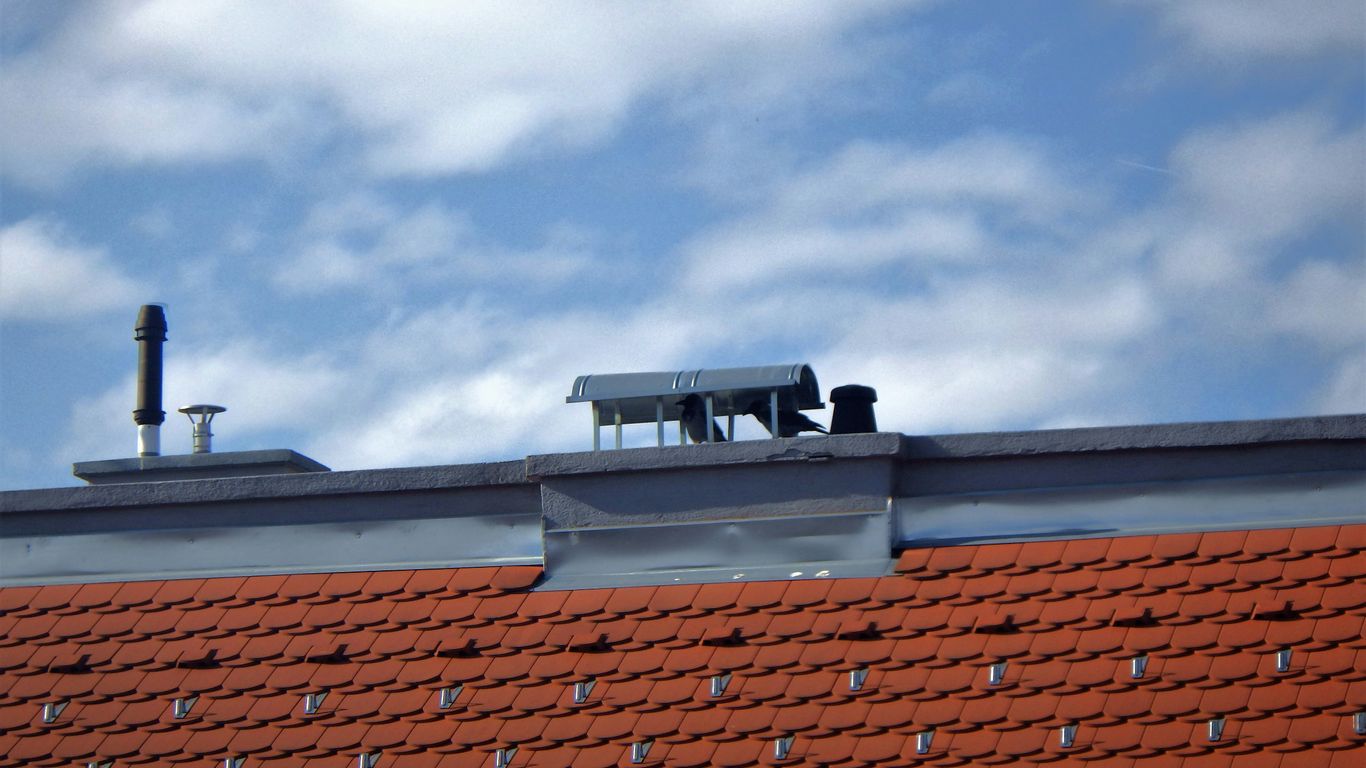
Roof with solar attic fan and passive vents, red tiled surface, and blue sky with clouds, illustrating attic ventilation systems.

So, do these solar attic fans actually do anything? It’s a fair question, and the short answer is yes, they can be quite effective, but it really depends on a few things. They’re not magic bullets, but they can definitely help manage attic temperatures. Think of it like this: your attic gets incredibly hot in the summer, like a mini-greenhouse on your roof. A solar fan’s job is to pull that super-heated air out.

Cooling Attic Temperatures

When the sun is beating down, the solar panel on the fan kicks into gear, powering a motor that spins the fan blades. This action actively removes the hottest air that’s trapped up there. The hotter your attic gets, the more the fan works to vent it. In many homes, this process can noticeably lower attic temperatures, which helps reduce the amount of heat radiating into living areas below, compared to an attic without any active ventilation. It’s all about creating airflow where there might otherwise be stagnant, scorching air.

Impact On Whole-House Cooling

Now, does a cooler attic mean a cooler house? Usually, yes, but it’s not always a dramatic difference. The heat from your attic radiates down into your living space. By reducing that attic heat, your air conditioner doesn’t have to work quite as hard to keep your home at your desired temperature. This can lead to:

  • Reduced strain on your AC unit.
  • Potentially lower energy bills.
  • A more comfortable living environment, especially on the top floor.

However, the impact can vary. If your attic is well-insulated and sealed from your living space, the effect might be less noticeable than in homes with less insulation or air leaks. It’s important to have adequate intake ventilation for the fan to work properly; otherwise, it might pull conditioned air from your house, which is the opposite of what you want.

Conditions For Optimal Performance

For a solar attic fan to perform well, it needs to be part of a properly ventilated and sealed attic system. It’s not just about slapping a fan on the roof and expecting miracles. You need to consider:

  • Sunlight Exposure: Obviously, these fans run on solar power. They perform best on sunny days, especially during peak heat hours. Cloudy days or nighttime mean reduced or no operation.
  • Attic Size and Fan Capacity: You need a fan that’s appropriately sized for your attic. Too small, and it won’t move enough air. Too large, and it might be overkill or even create negative pressure issues if intake isn’t sufficient. Checking the CFM (cubic feet per minute) rating against your attic’s square footage is key.
  • Adequate Intake Ventilation: This is super important. For the fan to push hot air out, cooler air needs to come in. This usually means having enough soffit vents or other intake vents that aren’t blocked by insulation or debris. Without proper intake, the fan struggles.

The effectiveness of a solar attic fan is directly tied to how well it’s integrated into your home’s overall ventilation system. It’s designed to assist, not replace, your existing setup. Making sure your soffit vents are clear and that your attic is properly sealed from your living space are critical steps to getting the most out of your solar fan investment.

When these factors align, a solar attic fan can be a really smart addition to your home, helping to keep things cooler and potentially saving you some money on cooling costs. It’s a great way to improve your home’s energy efficiency.

Key Advantages Of Solar Attic Fans

So, you’re thinking about a solar attic fan. What’s the big deal? Well, these little powerhouses can actually make a noticeable difference in your home, and not just on scorching summer days. They’re designed to tackle a few common attic problems head-on, making your house a bit more comfortable and potentially saving you some cash.

Reducing Attic Heat Buildup

This is the main event, right? Attics can get incredibly hot, like a mini-sauna under your roof. We’re talking temperatures that can soar well over 150°F on a sunny afternoon. This intense heat doesn’t just stay put; it radiates down into your living spaces. A solar attic fan works by actively pulling that super-heated air out and pushing it outside. By doing this, it can significantly lower the temperature up there, sometimes by 20 degrees or more on those peak days. This means less heat seeping into your bedrooms and living areas.

Lowering Home Cooling Expenses

Because the solar fan is working to keep the attic cooler, your air conditioner doesn’t have to fight as hard. Think of it as giving your AC a helping hand. When the attic isn’t a blazing inferno, the air conditioner cycles less frequently and doesn’t need to run for as long to keep your home at a comfortable temperature. Some folks find they can even turn their thermostat up a degree or two. While it’s not a replacement for your AC, it can definitely help reduce how much energy you use for cooling, which translates to lower electricity bills. It’s a pretty neat way to get more comfort without necessarily upgrading your entire HVAC system.

Preventing Moisture And Roof Damage

It’s not just about heat. Attics can also trap moisture, especially during cooler months when warm, moist air from your house rises. This moisture can lead to all sorts of problems, like mold growth on your insulation and wooden beams, or even rot. A solar attic fan helps keep the air circulating year-round. This constant airflow helps to dry out any dampness that might accumulate, preventing those nasty mold issues and protecting the structural integrity of your roof. It’s like giving your attic a breath of fresh air, which is good for the house’s health.

Silent Operation And Zero Energy Costs

One of the best parts? These fans run on sunshine, so they don’t add a dime to your electricity bill. They’re powered by a small solar panel, usually integrated right into the fan unit. Plus, they’re surprisingly quiet. Most use efficient DC motors that hum along without much noise. You’ll likely notice the cooler attic more than you’ll hear the fan itself. Since they don’t plug into your home’s electrical system, there’s also no added electrical load or risk of electrical faults inside your house. It’s a set-it-and-forget-it kind of deal that works automatically when the sun is out.

Potential Drawbacks And Considerations

While solar attic fans sound like a neat idea, they aren’t always the perfect solution for everyone. It’s good to know what you’re getting into before you buy one.

Dependence On Sunlight

The biggest thing to remember is that these fans run on sunshine. That means when the sun isn’t shining – like at night or on a really cloudy day – the fan just stops working. This can be a problem if you’re relying on it to keep your attic cool or dry.

  • No sun, no fan. This is the main limitation.
  • Performance drops significantly on overcast days.
  • They won’t help cool your house after the sun goes down.

If you have moisture issues in your attic that need constant attention, a fan that only works when the sun is out might not be enough. In those cases, a regular electric fan that you can plug in and runs all the time might be a better bet. They’re usually more powerful too, which can be helpful for serious ventilation problems.

Risk Of Roof Leaks

Putting anything on your roof, especially something that needs a hole cut for it, always comes with a risk of leaks. Even if it’s installed perfectly, there’s always a chance that water could find its way in over time. Think about skylights – they’re installed to keep water out, but sometimes they still drip.

  • Any hole in the roof is a potential entry point for water.
  • Proper installation is key, but not a 100% guarantee against future leaks.
  • Roof-mounted fans might pose a higher risk than vents installed on the gable.

When A Wired Fan Is A Better Choice

So, when should you skip the solar option and go for a wired fan instead? It really comes down to what you need the fan to do.

  • For persistent moisture problems: If your attic tends to get damp, especially in cooler weather, a fan that runs 24/7 is more effective at drying things out. Solar fans just can’t offer that consistent operation.
  • When you need more power: Wired fans are generally more robust and can move more air. If you have a large attic or significant ventilation challenges, a wired fan might be necessary.
  • If consistent operation is critical: For tasks like preventing ice dams in winter or managing humidity year-round, you need a fan that operates reliably, regardless of the weather or time of day. Solar fans simply can’t provide this level of dependability.

While solar attic fans can help reduce attic temperatures during sunny periods, their effectiveness is entirely dependent on sunlight. If your primary concern is consistent ventilation for moisture control or year-round temperature regulation, a traditional wired fan might offer a more reliable and powerful solution, albeit with ongoing energy costs.

Maximizing Solar Attic Fan Benefits

So, you’ve got a solar attic fan, or you’re thinking about getting one. That’s great! But just slapping one on your roof isn’t always the magic bullet. To really get the most out of it, you need to think about a few things. It’s not just about the fan itself, but how it fits into your attic’s whole setup. Getting this right means a cooler attic, a more comfortable home, and maybe even some savings on your energy bill.

Ensuring A Sealed Attic Space

This is a big one, and honestly, it’s where a lot of people miss out on the benefits. If your attic isn’t properly sealed off from the rest of your house, that solar fan could actually do more harm than good. Think about it: the fan is pulling air out of the attic.

If there are gaps in your ceiling, like around light fixtures or attic hatches, the fan will start pulling that nice, cool, conditioned air from your living space up into the attic. Then, it just blows that expensive air out through the roof vents. That’s the opposite of what you want, and it can actually make your air conditioner work harder and increase your cooling costs. Making sure your attic floor is well-sealed is probably the most important step to getting real benefits from an attic fan.

Adequate Intake Ventilation

An attic fan is designed to push hot air out. But for that to happen efficiently, you need a way for cooler air to come in. This is where intake ventilation comes in. We’re talking about soffit vents, which are usually under the eaves of your roof, or other types of low-slope vents. If these are blocked by insulation, paint, or just aren’t there in sufficient numbers, the fan is going to struggle. It’s like trying to drink through a straw with your finger over the end – not much is going to get through. You need a good balance between intake and exhaust.

A common guideline is to have at least one square foot of intake vent area for every 300 square feet of attic space, but check the recommendations for your specific fan and home.

Sufficient Exhaust Venting

This might seem obvious, but it’s worth mentioning. The solar attic fan is your exhaust vent, but you still need to make sure it’s positioned correctly and that there aren’t other obstructions. For roof-mounted fans, placing it near the peak of the roof is usually best, as that’s where the hottest air collects. If you have a very large attic, or an attic with multiple sections (like in an L-shaped house), one fan might not be enough. You might need two fans spaced out to cover the whole area effectively. It’s generally better to have two appropriately sized fans than one giant one that’s overkill for half the space. Remember, the goal is steady, balanced airflow, not a hurricane in your attic. You want to help your home’s ventilation system work smarter, not just harder.

Proper installation and a holistic approach to attic ventilation are key. It’s not just about adding a fan; it’s about creating an effective system where air can move freely and efficiently. Without adequate intake, the fan’s ability to exhaust hot air is severely limited, and you won’t see the full benefits. Think of it as a team effort between intake and exhaust vents.

Maintenance And Longevity Of Solar Fans

So, you’ve got a solar attic fan humming away, doing its thing. That’s great! One of the best parts about these units is that they’re pretty much a ‘set it and forget it’ kind of deal. Seriously, they don’t ask for much.

Minimal Maintenance Requirements

Most solar attic fans are designed with simplicity in mind. You won’t find any complicated parts that need regular oiling or filters to swap out. The motors are usually sealed, meaning they’re protected from dust and don’t need much attention. The biggest thing is just keeping them clean and unobstructed. Think of it like this: if the fan can’t breathe, it can’t work its best.

Checking For Obstructions

It’s a good idea to give your solar attic fan a quick look-over maybe once or twice a year. It doesn’t take long. You’ll want to:

  • Check the mesh screen or vent openings. Make sure leaves, dirt, or maybe a bird’s nest haven’t decided to set up shop there. If they have, just clear them out.
  • Wipe down the solar panel if it looks like it’s gotten a thick layer of dust or grime. A clean panel means more power.
  • Look around the fan housing, especially after a big storm or in the fall, to make sure nothing is blocking airflow.

It’s really that simple. No need for special tools or a whole weekend project.

Expected Lifespan And Warranties

When you invest in a quality solar attic fan, you’re usually looking at a product built to last. Many manufacturers offer warranties that stretch for 10, 15, or even 20 years. This is a pretty good indicator that they expect the fan to keep running smoothly for a long time. These fans are often made with durable materials, like powder-coated steel, and use brushless DC motors that are known for their quiet operation and long life. So, aside from a little bit of cleaning now and then, your solar attic fan should provide years of service without much fuss, helping to keep your attic cooler and drier. It’s a solid investment for home ventilation and comfort.

Solar Attic Fans Versus Air Conditioning

So, can a solar attic fan replace your air conditioner? The short answer is no, it’s not a direct substitute. Think of it more as a helpful sidekick for your AC system. It works by actively pulling hot air out of your attic, which, in turn, makes it easier for your main air conditioner to do its job. This means your AC doesn’t have to work as hard, potentially leading to lower energy bills and less wear and tear on the unit.

Assisting Your Air Conditioner

A solar attic fan’s primary role isn’t to cool your living space directly, but to reduce the extreme heat buildup in the attic. Attics can get incredibly hot, sometimes reaching temperatures far above the outside air. This intense heat radiates down into your home, making your air conditioner work overtime to keep things comfortable. By venting this super-heated air, the solar fan lowers the attic temperature. This reduction in attic heat means less heat transfer into your home, giving your AC a much-needed break. It’s like giving your air conditioner a cooler environment to operate in, which is always a good thing.

Reducing AC Workload

When your attic is cooler, the temperature difference between the attic and your conditioned living space is smaller. This directly translates to your air conditioner cycling less frequently and running for shorter periods. For homeowners, this can mean a noticeable difference in their electricity bills over the summer months. While the exact savings can vary based on your home’s insulation, climate, and how much you use your AC, many people report seeing a reduction in their cooling costs after installing a solar attic fan. It’s a way to get more comfort without necessarily upgrading your entire HVAC system. Some studies have shown a modest reduction in overall AC energy use, which adds up over time.

Comfort in Milder Climates

In areas with milder summers, or for homes that only occasionally struggle with heat, a solar attic fan might even make the difference between needing the AC and not needing it. If your main issue is just that the upstairs gets a bit too warm on the hottest days, a solar fan can often provide enough relief to keep things comfortable without firing up the air conditioner.

It helps maintain a more consistent temperature throughout the house, especially on upper floors. This can be a great way to boost comfort levels and save energy, particularly if your home is already well-insulated and naturally retains less heat. It’s about finding that sweet spot where your home is comfortable without over-relying on energy-intensive cooling systems. For those looking to improve their home’s environment and potentially extend the life of their roof, exploring solar attic fan benefits is a smart move.

Installation Costs And Return On Investment

Typical Unit And Installation Expenses

So, you’re thinking about getting a solar attic fan. That’s great! But before you jump in, let’s talk about the money side of things. How much does it actually cost to get one of these installed, and when can you expect to see your money back?

Generally, you can expect to pay anywhere from $300 to $700 for a decent solar attic fan unit itself. This price can jump up if you’re looking at higher-end models with more powerful solar panels or better build quality. Now, if you’re planning on hiring a professional to install it, that’s where the costs can really climb. Professional installation can add another $200 to $500 or even more, depending on your location and the complexity of the job. So, a fully installed system could land you anywhere between $500 and $1,200.

DIY Installation Possibilities

If you’re handy around the house, you might be able to save a good chunk of change by doing the installation yourself. Most solar attic fans are designed to be pretty straightforward to install. You’re basically mounting the fan unit to your roof or a gable vent and connecting the solar panel. If you’re comfortable working on a ladder and have some basic tools, this is definitely a way to cut down on the overall expense. Just make sure you follow the manufacturer’s instructions carefully and prioritize safety. It’s a project that can often be completed in an afternoon.

Evaluating The Financial Payback

This is the big question, right? Does it actually pay for itself? For many homeowners, especially those in hotter climates, a solar attic fan can indeed pay for itself over time. The primary way it does this is by reducing the workload on your air conditioning system. By venting hot air out of the attic, the fan helps keep your living space cooler, meaning your AC doesn’t have to run as hard or as long. This can lead to noticeable savings on your electricity bills. Some studies suggest savings of $50 to $100 or more over a single summer in hot regions.

If you spend, say, $700 on a fan and installation and save $100 a year, you’re looking at a payback period of about seven years. And remember, the fan will likely keep working long after it’s paid for itself, offering continued savings and protecting your home.

Here’s a general idea of what to expect:

  • Cost Range (Unit + Installation): $500 – $1,200
  • Potential Annual Savings: $20 – $100+ (depending on climate and AC usage)
  • Estimated Payback Period: 3 – 10 years

It’s also worth considering the less tangible benefits. Preventing excessive heat buildup can extend the life of your roof and reduce the risk of costly repairs down the line. Think of it as a form of home insurance that also happens to lower your energy bills. For homeowners looking to make their homes more energy-efficient, installing solar panels can offer a significant return on investment, often recouping costs within 4-8 years and increasing property value. Installing solar panels is another great way to invest in your home’s energy future.

While the exact payback period varies, the combination of reduced cooling costs and potential avoidance of future repairs makes a solar attic fan a sound investment for many. It’s not just about saving money; it’s about improving your home’s comfort and longevity.

Year-Round Performance Of Solar Attic Fans

While solar attic fans are most active during summer, they can also support year-round attic ventilation by helping manage moisture and temperature fluctuations, they actually offer benefits throughout the entire year. It’s a common thought that these fans only kick in when it’s blazing hot, but their function extends to other seasons too.

Summer Heat Expulsion

During the summer, the primary job of a solar attic fan is to tackle that intense heat buildup. Attics can get incredibly hot, often exceeding 130°F, as sunlight beats down on your roof. The fan, powered by the sun, actively pulls this superheated air out. This process is pretty straightforward: the solar panel generates electricity, which spins the fan, pushing hot air out and drawing cooler air in through your soffit vents. This constant air exchange significantly lowers attic temperatures, making your living space below more comfortable and reducing the strain on your air conditioning system. It’s like giving your AC a break, which can lead to noticeable savings on your energy bills.

Winter Moisture Venting

When the weather turns cold, the focus shifts from heat to moisture. Warm, moist air from inside your house can rise into the attic. If this moisture condenses on the cold attic surfaces, it can lead to a host of problems. Think mold growth, wood rot, and even damage to insulation. Solar attic fans, even on cooler, sunny days, can help vent this humid air out. While they might not run at full blast like in summer, any airflow helps. Many models also have built-in thermostats that prevent them from running when the attic temperature is too low, so you don’t have to worry about making your house cold. They’re designed to work with the sun’s energy, so they won’t run when it’s dark or too cold.

Preventing Ice Dams

This is where year-round performance really shines. In colder climates, ice dams can form on the edge of your roof. This happens when snow melts from the warmer attic below, runs down the roof, and refreezes near the colder eaves. This cycle can cause water to back up under your shingles and leak into your home. By venting out the warm air that causes the snow to melt in the first place, a solar attic fan helps keep the roof surface colder and more uniform in temperature. This reduces the melting and refreezing cycle, thereby helping to prevent ice dams from forming. It’s a proactive measure that can save you from costly water damage repairs. The stack effect in buildings is a related concept that highlights how air pressure differences can drive ventilation, and attic fans leverage similar principles.

Here’s a quick look at how they perform across seasons:

  • Summer: Maximum heat expulsion, reduces AC load.
  • Winter: Vents moisture, helps prevent mold and rot.
  • Cold Climates: Aids in preventing ice dams by keeping roof temperatures more stable.

While a solar attic fan is a great addition, it works best when paired with adequate insulation and proper intake ventilation. It’s not a magic bullet, but a smart component of a well-ventilated home envelope.

Noise Levels And Operational Sound

Quiet DC Motor Operation

One of the nice things about solar attic fans is how quiet they usually are. Most of them use a DC motor, which is pretty different from the AC motors you find in older fans or even some wired attic fans. These DC motors are designed to be efficient and, importantly, quiet. You’re not going to get that loud humming or buzzing sound that can be really annoying. It’s a big plus if you’re sensitive to noise or if your attic is located right above a living space.

Gradual Speed Adjustments

These fans don’t just blast air at full speed all the time. They’re smart about it. When the sun is beating down and the attic is getting really hot, the fan will spin faster to move more air. But when it’s cooler or the sun isn’t as strong, the motor slows down. This means the noise level changes gradually throughout the day, often becoming barely noticeable when it’s not working hard. It’s a pretty smooth operation overall.

Perceptibility Indoors

For the most part, you won’t even know a solar attic fan is running. Because they’re mounted in the attic and use those quiet DC motors, the sound doesn’t usually travel down into your house. Unless your attic isn’t well-insulated or sealed, you’re unlikely to hear it at all. If you do notice some noise, it might be a very faint whirring sound, especially on a very hot, sunny day when the fan is working at its peak. But compared to other home appliances, it’s practically silent.

Here’s a quick look at what you might expect:

Condition Fan Speed Typical Sound Level
Bright, hot sun High Very Quiet
Moderate sun/heat Medium Barely Audible
Cloudy/Cool weather Low/Off Silent
Direct overhead N/A Not Perceptible

The Necessity Of Passive Roof Ventilation

So, we’ve talked a lot about solar attic fans, but what about the other guys? You know, the vents that just sit there and do their thing without any electricity? These are your passive roof vents, and they play a pretty big role in keeping your attic happy. Think of them as the unsung heroes of attic airflow.

While a solar fan actively pulls air out, passive vents like soffit and ridge vents work together to create a natural airflow. Soffit vents, usually found under the eaves, let fresh air in. Then, this cooler air rises through the attic space and exits through higher vents, like ridge vents or gable vents.

This continuous, natural movement is key. A solar fan can boost this process, but it can’t replace the fundamental need for passive pathways. Without adequate passive intake and exhaust, a powered fan might just end up pulling conditioned air from your living space, which is the opposite of what you want. It’s all about balance, and making sure your solar fan isn’t working against itself or your home’s comfort.

Your soffit vents are the entry points for fresh air. If they’re blocked by insulation, debris, or even just painted shut, that natural airflow stops. This is where those baffle vents I mentioned earlier come in handy. They help direct air from the soffit vents all the way up to the ridge, making sure the air actually circulates where it’s needed. If your soffit vents aren’t doing their job, the whole system, including any powered fan, suffers. It’s like trying to drink through a straw with a hole in it – not very effective.

Even if you install a solar attic fan, don’t go ripping out your existing passive vents. They are designed to work as a system. For instance, if you have gable vents, they work best when paired with soffit vents. A solar fan installed in a gable vent needs that incoming air from the soffits to function properly. If you have a lot of powered fans, they can sometimes fight each other or create negative pressure, which isn’t ideal. It’s better to have a well-balanced system where passive and active ventilation work in harmony. Sometimes, just improving the passive ventilation is enough, and you might not even need a powered fan at all. Check out some tips on proper attic ventilation to get a better idea of how it all fits together.

Keeping your home cool and comfortable isn’t just about what’s inside; the roof plays a big part too! Proper roof ventilation helps your house breathe, preventing heat buildup and moisture problems. It’s a key step in maintaining your home’s health and saving energy. Want to learn more about how your roof can work smarter for you? Visit our website today for expert tips and solutions!

So, Do They Actually Work?

Alright, so after all that, do solar attic fans really do what they promise? For the most part, yes, they can definitely help cool down your attic. Think of it as giving your attic a bit of fresh air when it gets too hot. It’s not going to magically make your whole house arctic-level cold, but it can make a noticeable difference, especially on those scorching summer days. It helps your air conditioner breathe easier, which could mean a little less strain on your wallet. Just remember, for them to work their best, your attic needs to be sealed up tight from the rest of your house, and you need good airflow coming in. If your attic is already pretty well-ventilated naturally, you might not see a huge change. But if you’re looking for a way to tackle that super-hot attic and maybe shave a bit off your energy bill, a solar attic fan is worth considering.

Conclusion

If you’re looking at ways to improve outdoor comfort, reduce pest pressure, or make your home more enjoyable during the warmer months, it helps to start with the full picture. At SWAT Mosquito Systems, we help homeowners understand how heat, moisture, and airflow can all play a role in creating a more comfortable home environment.

If you have questions about outdoor living, mosquito control, or ways to make your yard more enjoyable this season, our team is always happy to help you explore the right solutions for your home.

Keeping your home comfortable doesn’t stop at the thermostat. Heat, moisture, and airflow all play a role in how enjoyable your indoor and outdoor spaces feel. Just like proper attic ventilation protects your home from heat buildup, proactive mosquito control protects your yard from becoming unusable during peak season. Enjoy your outdoor spaces without the buzz, schedule a free SWAT Mosquito Systems consultation today.

Key Takeaways

  • Proactive systems prevent problems before they start, whether it’s heat buildup or mosquito infestations
  • Automated solutions reduce homeowner effort and increase consistency
  • Long-term comfort comes from smart, professionally installed systems

Learn how automated mosquito control works, talk with a SWAT expert.

Understanding Attic Ventilation Systems

Just like ventilation manages airflow in your attic, mosquito control is about managing pressure points around your property. Standing water, shaded areas, and landscaping create ideal breeding conditions, unless they’re addressed systematically. Request a property assessment to identify mosquito hotspots around your home.

How Attic Fans Function

Automated attic fans respond when temperatures rise. SWAT Mosquito Systems works the same way, our misting systems operate on a schedule, delivering consistent protection without requiring daily action from homeowners. Automate your mosquito protection—see if a misting system is right for your yard.

The Role of Whole-House Fans

Manual solutions require constant attention. Whether it’s opening windows for airflow or applying temporary repellents, they rely on perfect timing. Automated systems remove guesswork, keeping conditions comfortable without disruption. Upgrade from temporary fixes to full-season mosquito control.

Key Differences Between Fan Types

So, what really sets them apart? Well, an attic fan focuses solely on the attic space itself, trying to keep it cooler. It doesn’t directly cool your living area, though a cooler attic means less heat radiating down. A whole-house fan, on the other hand, actively pulls air through your home, providing a cooling breeze and removing stale air. It’s more about cooling the inside of your house.

Here’s a quick rundown:

  • Attic Fan: Exhausts hot air from the attic.
  • Whole-House Fan: Pulls air through the house and into the attic.
  • Control: Attic fans are usually automatic (thermostat-controlled), while whole-house fans are often manually operated with a switch.
  • Impact: Attic fans primarily reduce radiant heat transfer into the living space, while whole-house fans actively cool the living space and improve air quality.

It’s important to remember that if your attic is already well-insulated, the impact of an attic fan on your living space temperature might be minimal. The insulation is doing a lot of the heavy lifting in keeping your home comfortable year-round. For a deeper dive into how ventilation works, check out proper attic ventilation.

When it comes to installation, attic fans are generally simpler, especially gable-mounted ones. Whole-house fans require cutting into your ceiling and ensuring adequate venting from the attic to the outside, which can be more involved. The cost also differs, with attic fans typically being less expensive upfront than whole-house fans.

Evaluating Cooling and Venting Effectiveness

So, how well do these attic fans actually work, and how do they stack up against the insulation you already have? It’s not always a simple ‘yes’ or ‘no’ answer, and it really depends on your specific situation.

Attic Fan Impact on Living Space Temperature

Effectiveness comes down to prevention. Removing heat before it radiates downward mirrors how SWAT stops mosquitoes before they reach patios, pools, and entry points. Protect your outdoor living areas before mosquitoes become a problem.

Here’s a quick look at how they differ:

Feature Attic Fan Whole-House Fan
Primary Function Expels air from the attic to the outside Pulls air from the house into the attic
Cooling Mechanism Lowers attic temperature, reducing radiant heat Replaces indoor air with cooler outdoor air
Effectiveness (Hot Attic) Can be effective if attic is poorly insulated Less direct impact on attic temperature itself
Effectiveness (Cooling) Minimal direct cooling of living space Very effective when outdoor air is cooler

Whole-House Fan Cooling Capabilities

Whole-house fans are a different beast altogether. They’re designed to pull air from your living space up into the attic and out. This is super effective for cooling your home down quickly, especially on those days when the outside air is cooler than inside but you don’t want to run the AC. It’s like opening all your windows and getting a strong breeze, but it’s all happening through your attic. They use way less energy than a central air conditioner, which is a nice bonus.

The Influence of Existing Insulation

This is where things get interesting. If your attic is already packed with good insulation, say R-25 or higher, adding an attic fan might not give you much bang for your buck when it comes to cooling. Research suggests that when attics are well-insulated, ventilation has a pretty minor effect on cooling loads. The insulation itself is doing the heavy lifting of keeping the heat out. In these cases, focusing on improving your insulation might be a more impactful way to save energy year-round, not just in the summer. It helps keep your house warm in the winter too.

It’s easy to think that more ventilation always means better cooling. But when it comes to attics, especially those with good insulation, the science shows that the insulation itself is the primary defense against heat transfer. While fans can help manage attic moisture, their impact on cooling the living space can be minimal if the ceiling below is already well-sealed and insulated. Sometimes, the best solution isn’t adding more moving parts, but ensuring the passive barriers are doing their job.

If your attic is lacking insulation, an attic fan might offer some relief by reducing the extreme heat buildup. However, it’s often more cost-effective in the long run to add more insulation. For managing moisture and preventing issues like mold, solar attic fans can be a good option because they run on solar power and continuously circulate air, helping to expel dampness.

Installation Considerations for Attic Fans

When you’re thinking about putting in an attic fan, there are a few different ways you can go about it. It’s not a one-size-fits-all deal, and where you put it can make a difference in how well it works and how noticeable it is.

Gable-Mounted Fan Installation

This is often the simplest route, especially if you already have a gable vent. Basically, the fan gets installed right behind your existing gable vent. If you’ve got power running to your attic already, this can be a pretty quick job. It’s less intrusive visually because it tucks away behind the vent opening. You’re looking at a cost range of about $75 to $400 for these types of fans, depending on the style and brand.

Roof-Mounted Fan Installation

These fans sit directly on your roof. While they can be effective, they’re a bit more involved to install. You’ll need to cut a hole in your roof, and then the fan needs to be properly integrated with your shingles to keep the weather out. This type of installation might require a bit more skill or professional help to get it right. Some people find these more noticeable than gable-mounted fans, especially if you need more than one.

Solar Attic Fan Installation

Solar attic fans are a neat option because they don’t need to be wired into your home’s electrical system. They run on solar power, which is great for reducing electricity costs. Installation is generally straightforward, similar to other roof-mounted fans, but without the electrical wiring hassle. These fans are a good choice if you’re looking for an eco-friendly and low-maintenance solution. They automatically kick on when the sun is out, helping to keep your attic cool and dry year-round. You can find these fans for around $200 to $400 .

Here’s a quick rundown of what to think about:

  • Location: Where will the fan go? Gable, roof, or maybe a specialized vent?
  • Power Source: Do you have electricity nearby, or are you leaning towards solar?
  • Roof Condition: Is your roof in good shape for a roof-mounted installation?
  • DIY vs. Pro: Are you comfortable with the tools and steps involved, or is it time to call in an electrician or roofer?

Choosing the right spot and type of fan is key to making sure it does its job effectively without causing headaches down the line. It’s about balancing performance with the practicalities of getting it installed.

Installation Complexity Comparison

When you’re thinking about adding an attic fan or a whole-house fan, the installation process is definitely something to consider. It’s not always a simple DIY job, and the complexity can really vary.

Ease of Installing an Attic Fan

Professional installation matters. SWAT Mosquito Systems custom-designs each system based on property layout, landscaping, and usage patterns, ensuring optimal coverage without over-application. Get a custom-designed mosquito control solution, no one-size-fits-all systems.

Challenges of Whole-House Fan Installation

Whole-house fans are a different beast altogether. These units are much larger and are typically installed in the ceiling of your home, often in a hallway or central area, with vents that open to the outside through your roof. This means cutting a significant opening in your ceiling and potentially reinforcing the joists to support the fan’s weight and vibration. You also need to ensure proper ducting and venting to the exterior. This is almost always a job for a qualified contractor.

When to Call a Professional

  • Electrical Work: Both types of fans require electrical connections. If you’re not comfortable or experienced with electrical wiring, it’s best to call a licensed electrician. This is especially true for whole-house fans, which often have higher power requirements.
  • Structural Modifications: Installing a whole-house fan often involves cutting into your ceiling and potentially modifying ceiling joists. This requires knowledge of building structures to avoid compromising your home’s integrity.
  • Roof Access and Modifications: Roof-mounted attic fans and the vents for whole-house fans require working on your roof. This can be dangerous if you don’t have experience with roof work.
  • Complexity and Time: If you’re short on time or simply want the job done right the first time without the stress, hiring a professional is the way to go. They have the tools, experience, and knowledge to complete the installation efficiently and safely.

While an attic fan might seem like a more straightforward installation, especially if you’re handy, a whole-house fan is a more involved project that typically requires professional expertise. Always weigh your comfort level with DIY tasks against the potential risks and complexities involved.

Aesthetic Impact of Attic Ventilation

When you’re thinking about improving your home’s attic ventilation, it’s not just about function; the way things look matters too. Nobody wants their house to look like a science experiment gone wrong. Let’s break down how different ventilation systems might change the outside appearance of your home.

Visual Presence of Attic Fans

Attic fans, especially the powered kind, can sometimes be a bit of an eyesore depending on where they’re installed. Gable-mounted fans are usually tucked away inside the attic, so you won’t see them from the street at all. That’s a big plus if you’re worried about curb appeal. Roof-mounted fans, on the other hand, sit right on top of your roof. While they’re designed to be somewhat low-profile, they are still visible. Solar attic fans also fall into this category, with their panels and fan housing sitting on the roof. The goal is usually to make them blend in as much as possible with the roofing material.

Appearance of Whole-House Fans

Whole-house fans are a different beast altogether. They’re typically installed in the ceiling of your top floor, with a large vent or grille that’s visible from inside the house. From the outside, you won’t see the fan itself, but you will see the large vent opening in the roof or soffit that allows air to escape the attic. This opening needs to be sized correctly to handle the airflow, which can sometimes be quite substantial. If not properly integrated, these vents can look a bit out of place.

Minimizing Visual Intrusion

There are ways to keep your home looking good while still getting the benefits of attic ventilation. For gable fans, since they’re hidden, there’s not much to worry about visually. For roof-mounted fans, choosing a model that matches your shingle color can help it blend in. Some manufacturers offer different color options. With whole-house fans, the key is careful placement and choosing a vent cover that complements your home’s architecture. Sometimes, a professional installer can suggest the best locations and types of vents to minimize their visual impact. It’s also worth noting that proper installation of roof vents is key to preventing water issues, which can cause more significant aesthetic problems down the line than the vent itself.

Here’s a quick look at what you might see:

Ventilation Type External Appearance
Gable Fan Not visible from outside
Roof Fan Visible unit on the roof; color matching helps blend
Solar Attic Fan Visible solar panel and fan housing on the roof
Whole-House Fan Vent Large vent opening in ceiling/roof/soffit

Noise Levels and Occupant Comfort

When you’re thinking about adding something to your attic, one of the first things that might pop into your head is, ‘Will this thing be noisy?’ It’s a totally valid concern, especially if your bedroom is directly below the attic space or if you just like a quiet home. Let’s break down how different attic ventilation options might affect the peace and quiet in your house.

Attic Fan Sound Isolation

Attic fans, particularly the ones that sit right in the attic space, can sometimes make their presence known. The motor and the fan blades spinning can create a humming or whirring sound. The level of noise really depends on the quality of the fan and how it’s installed. A cheaper fan might vibrate more, and if it’s not mounted securely, that vibration can travel through the attic structure and into your living space. Sometimes, you might hear it more on windy days, too, as the airflow interacts with the fan. It’s not usually a deafening noise, but it’s something to consider if you’re sensitive to sound.

Whole-House Fan Noise Factors

Whole-house fans are a different beast altogether. Because they’re designed to move a much larger volume of air to cool your entire home, they tend to be louder than attic fans. The sound comes from the large fan blades moving air through the unit and out the vents, usually in your ceiling. Think of it like a very powerful ceiling fan. You’ll definitely hear it when it’s running. The noise level can vary based on:

  • Fan Size and Speed: Bigger fans moving more air will naturally be louder.
  • Installation Quality: Proper mounting and sealing are key to reducing rattling or vibrating sounds.
  • Ductwork Design: The way the air is channeled can affect the overall sound profile.
  • Home Layout: How far your living areas are from the fan unit makes a difference.

While they are louder, many people find the sound acceptable because it’s associated with the comfort of a cooler home on a warm evening. It’s a trade-off for effective whole-house cooling. If you’re looking for a way to cool your home without relying solely on the air conditioner, a whole-house fan can be a great option, but be prepared for some audible operation.

Achieving Quieter Operation

So, how can you make sure your attic ventilation doesn’t become a nuisance? It often comes down to smart choices during installation and selecting the right equipment. For attic fans, look for models specifically designed for quiet operation. Sometimes, adding extra insulation or sound-dampening material around the fan housing can help absorb some of the noise. With whole-house fans, the focus is on proper installation. Ensuring the unit is securely mounted and that any associated ductwork is well-sealed and insulated can make a big difference. Some systems also come with variable speed controls, allowing you to run the fan at a lower, quieter setting when full power isn’t needed. It’s also worth noting that a well-insulated attic itself can help muffle sounds from an attic fan. Ultimately, a little planning goes a long way in keeping your home comfortable and quiet, whether you choose an attic fan or a whole-house fan.

When considering noise, it’s not just about the fan itself, but how it integrates with your home. A poorly installed fan, regardless of its type, is more likely to be a source of unwanted sound. Paying attention to the details during installation can save you a lot of headaches later on.

Reclaim quiet, bite-free evenings with SWAT Mosquito Systems.

Operational Differences and User Control

When you’re thinking about how these attic fans and whole-house fans actually work day-to-day, there are some pretty big differences in how you interact with them. It’s not just about flipping a switch; it’s about how they’re designed to operate and what kind of control you have.

Automatic Operation of Attic Fans

Attic fans are generally designed to be pretty hands-off. They usually come with a built-in thermostat. This thermostat monitors the temperature inside your attic. Once it hits a certain point – say, 85 degrees Fahrenheit, though this is adjustable – the fan kicks on automatically. When the attic cools down enough, it shuts itself off. This means you don’t have to remember to turn it on or off; it just does its thing. It’s all about maintaining a specific temperature range without you needing to lift a finger. This makes them super convenient if you just want the attic temperature managed without any fuss.

Manual Control of Whole-House Fans

Whole-house fans are a different story. They’re not automatic. You have to turn them on yourself, usually with a pull cord hanging from the ceiling or a wall switch. And here’s a key point: you must open windows or doors before you turn on a whole-house fan. Why? Because these fans work by pulling air from inside your house and pushing it out through the attic. If there’s no open window for fresh air to come in, the fan can’t do its job effectively, and it might even strain the motor. So, it requires a bit more active participation from you to get it running.

Using Timers for Ventilation

While whole-house fans are manually operated, you can add a layer of automation with a timer. Instead of a regular wall switch, you can install a timer. You set it for a specific amount of time – maybe an hour or two – and the fan will run for that duration before shutting off automatically. This is really handy, especially if you want to cool down your house quickly before bed or after you get home. You can set it to run for a bit and then turn itself off, so you don’t have to worry about forgetting to switch it. It’s a nice middle ground between fully automatic and completely manual operation for whole-house fans.

Here’s a quick look at the differences:

Feature Attic Fan Whole-House Fan
Operation Automatic (thermostat-controlled) Manual (user-initiated)
User Input Minimal (set temperature) Active (open windows, turn on/off)
Additional Control N/A Optional timer for set run times
Requirement None Open windows/doors before operation

The main takeaway is that attic fans are designed for passive, set-it-and-forget-it operation, while whole-house fans require active user involvement to function correctly and efficiently. Adding a timer to a whole-house fan can simplify its use, but it still needs that initial manual activation and the preparation of opening windows.

Cost Analysis: Product and Installation Expenses

When you’re looking at ways to make your attic more efficient, the cost is definitely a big part of the puzzle. It’s not just about the price tag of the fan or the insulation itself, but also what it takes to get it installed properly. Think of it as an investment in your home’s comfort and your utility bill.

Attic Fan Purchase and Installation Costs

Attic fans are generally more budget-friendly upfront. You can find basic models, whether they’re designed for gable-mount or roof-mount installation, for anywhere from $75 to $225. If you’re looking at shutter-style fans that replace an existing gable vent, the price might creep up a bit, usually between $200 and $400. The average cost for an attic fan installation, including the unit itself, tends to hover around $625, though this can vary from about $369 to $914 depending on the fan’s size and power.

Whole-House Fan Purchase and Installation Costs

Whole-house fans are a different story. These units are typically more powerful and designed to move a lot more air. You’ll see prices for lower-velocity whole-house fans, the kind that blow air directly into the attic, ranging from $200 to $400. However, if you opt for a higher-velocity model that comes with connecting vents, you’re looking at a bigger investment, usually between $800 and $1,600. Remember, both types of fans will likely require an electrician to get the power set up, which adds to the overall expense.

Comparing Overall Affordability

Feature Attic Fan (Typical) Whole-House Fan (Typical)
Product Cost $75 – $400 $200 – $1,600
Installation Cost $300 – $500 $500 – $1,000+
Total Estimated Cost $375 – $900 $700 – $2,600+

It’s pretty clear that attic fans are the more economical choice if you’re just looking at the initial outlay. They’re simpler devices and usually don’t require as much complex electrical work or structural modification. For many homeowners, this makes them a more accessible option for improving attic conditions.

When considering the cost, it’s also wise to think about potential rebates or incentives. Sometimes, utility companies offer programs that can help offset the cost of energy-efficient upgrades, making the decision easier. Always check what’s available in your area before making a final choice.

While the upfront cost of a whole-house fan is higher, it’s worth considering the potential long-term savings and the different way it cools your home. For some, the increased comfort and cooling capacity might justify the larger initial expense. It really comes down to your specific needs and budget. If you’re looking for a straightforward way to reduce attic heat, an attic fan is a solid choice. For more significant cooling power, a whole-house fan might be the way to go, but be prepared for a larger investment. You can find more information on attic fan costs to help you compare.

Long-Term Benefits and Energy Savings

When you’re thinking about upgrades for your home, it’s easy to get caught up in the immediate impact. But let’s talk about what really matters down the road: saving money and making your house more comfortable year after year. Investing in your attic, whether it’s with better insulation or a ventilation fan, isn’t just a one-time fix; it’s a strategy for ongoing savings and a more pleasant living environment.

How Attic Fans Reduce Cooling Costs

Attic fans are pretty straightforward in how they help your wallet. During hot summer days, attics can get incredibly hot, sometimes reaching temperatures that would make your car feel like an oven. This intense heat doesn’t just stay put; it radiates down into your living spaces. Your air conditioner then has to work much harder and longer to try and keep your home cool. By installing an attic fan, you’re essentially giving that super-heated air an escape route. It pulls the hot air out from under your roof, which lowers the overall temperature in the attic. This means your AC unit doesn’t have to struggle as much, leading to noticeable reductions in your electricity bills during peak cooling months. It’s like giving your air conditioner a much-needed break, and that break translates directly into savings.

Insulation’s Role in Year-Round Savings

While attic fans are great for tackling summer heat, insulation is the unsung hero that works tirelessly all year long. Think of insulation as a cozy blanket for your house. In the summer, it helps keep the heat that does make it into the attic from easily transferring into your living areas. In the winter, it does the opposite: it keeps the warm air generated by your heating system from escaping out through the attic. This consistent thermal barrier means your HVAC system doesn’t have to cycle on and off as frequently, regardless of the season. This constant effort reduction by your heating and cooling systems is a major contributor to lower energy consumption and, consequently, lower utility bills. Plus, a well-insulated home tends to have more stable indoor temperatures, meaning fewer drafts and more consistent comfort, which is a benefit that’s hard to put a price on.

Maximizing Return on Investment

So, how do you make sure you’re getting the most bang for your buck with these attic improvements? It’s all about getting the basics right and understanding what your home actually needs. Sometimes, adding more and more insulation beyond a certain point doesn’t yield significant additional savings, especially if other issues like air leaks aren’t addressed. A good starting point is often a professional energy audit, which can pinpoint the most cost-effective upgrades for your specific home. For many, this might mean focusing on sealing air leaks in the attic first, then ensuring adequate insulation levels. For others, a ventilation fan might be the key piece missing. Combining these strategies thoughtfully can lead to substantial long-term savings, improve your home’s overall efficiency, and even increase its resale value. It’s about making smart choices that pay off over time, contributing to a more comfortable and affordable home environment.

Here’s a quick look at potential savings:

Upgrade Type Primary Benefit
Attic Fan Reduced AC strain, lower summer cooling costs
Insulation Year-round temperature stability, reduced HVAC use
Air Sealing (Attic) Prevents conditioned air loss, boosts efficiency

Remember, proper roof ventilation and insulation are key to reducing HVAC costs, enhancing home comfort, and achieving long-term energy savings for homeowners. Check out attic solutions that can make a difference.

Addressing Attic Heat and Moisture

Attics can get seriously hot, especially when the sun beats down all summer. This trapped heat doesn’t just make your attic uncomfortable; it can actually push heat down into your living space, making your air conditioner work way harder than it needs to. Plus, attics can sometimes get damp, which is a recipe for trouble.

Preventing Mold and Mildew Growth

Moisture is the enemy up in the attic. Whether it’s from leaks, condensation, or just humidity from the house below, standing water or damp spots can quickly lead to mold and mildew. This isn’t just unsightly; it can affect your home’s air quality and even damage building materials over time. Proper ventilation helps keep the air moving, which is key to drying out any dampness before it becomes a problem. Think of it like airing out a damp basement – you need that air circulation.

Reducing Radiant Heat Transfer

That intense heat in the attic doesn’t just sit there; it radiates downwards. Good insulation acts like a blanket, slowing down this heat transfer. While attic fans can help by removing some of the hot air, insulation is the primary defense against radiant heat. If your attic insulation is old, compressed, or just not thick enough, heat will find its way into your home more easily. Upgrading your insulation is a solid step towards keeping your home cooler in the summer and warmer in the winter. It’s about creating a barrier that heat struggles to cross.

Protecting Roof Shingles

Extreme heat isn’t great for your roof, either. Those high attic temperatures can bake your shingles from underneath, shortening their lifespan. When shingles get too hot, they can become brittle and more prone to cracking or curling. While an attic fan can help lower the peak temperatures, the real long-term protection comes from a well-insulated attic that keeps the roof deck cooler. This helps your shingles last longer, saving you money on premature replacements. It’s a win-win for your home’s structure and your wallet.

Choosing the Right Ventilation Solution

So, you’re trying to figure out if an attic fan or a whole-house fan is the way to go for your home. It’s not always a clear-cut decision, and honestly, they do different jobs. Think of it this way: an attic fan is all about managing the air in your attic, while a whole-house fan is about moving air through your entire living space.

When an Attic Fan is the Best Choice

An attic fan really shines when your main concern is just getting the super-heated air out of your attic. If your attic is like a sauna in the summer, that heat can radiate down into your living areas, making your AC work overtime. An attic fan actively pushes that hot air out, which can make a noticeable difference in your upstairs rooms, especially if your attic insulation isn’t top-notch. It’s also a good move for keeping your attic dry and preventing things like mold or ice dams in colder months. Plus, they’re generally simpler to install than whole-house fans, and the purchase price is usually much lower. For example, you can find basic attic fans for around $75 to $400, not including installation.

  • Primary Goal: Reduce attic temperature and prevent heat transfer into living spaces.
  • Best For: Homes with poorly insulated attics or those experiencing excessive attic heat.
  • Installation: Typically easier, especially gable-mounted models.
  • Cost: Lower initial investment.

When a Whole-House Fan Excels

A whole-house fan is a different beast altogether. Its main job is to pull air from inside your home and push it up into the attic, effectively cooling your entire house. This is fantastic on those days when it’s cooler outside than inside, but maybe not cool enough to open all the windows. It creates a nice breeze throughout your home and can significantly cut down on your reliance on air conditioning. Some studies suggest they use about a third of the energy of a central AC unit. However, installation is more involved, often requiring cutting into your ceiling drywall. The cost also jumps up, typically ranging from $200 to $1,600 for the unit alone.

  • Primary Goal: Cool the entire house by drawing air through living spaces.
  • Best For: Homes in climates with mild evenings or when you want to reduce AC usage.
  • Installation: More complex, involving ceiling modifications.
  • Cost: Higher initial investment, but potential energy savings.

Considering a Solar Attic Fan for Efficiency

Now, if you’re looking for an eco-friendly and potentially cost-saving option, a solar attic fan might be worth a look. These work just like regular attic fans, but they’re powered by the sun. This means no added electricity costs to run them. They’re a great way to ventilate your attic without impacting your energy bill. While the upfront cost might be a bit higher than a basic electric attic fan, the long-term savings on electricity can make it a smart choice. They are particularly effective in sunny climates. It’s a good middle ground if you want attic ventilation but are wary of increasing your home’s energy consumption. You can find more information on ventilation strategies at advanced energy.

Ultimately, the best choice depends on your specific home, climate, and what you’re trying to achieve. If your attic is the main heat culprit, an attic fan is likely your answer. If you want to cool your whole house and reduce AC use, a whole-house fan might be better. And for a greener approach to attic ventilation, a solar option is definitely worth considering.

Picking the best way to get rid of bugs can be tricky. You want something that works well and is easy to use. Our systems are designed to keep your outdoor spaces bug-free, so you can enjoy them without worry. Ready to learn more about how we can help you reclaim your yard? Visit our website today to explore your options!

So, What’s the Verdict?

Alright, so we’ve looked at both attic fans and insulation. Honestly, just like home efficiency upgrades, effective mosquito control isn’t about quick fixes, it’s about smart systems that work continuously in the background. SWAT Mosquito Systems delivers protection you don’t have to think about, so you can focus on enjoying your home. Book your SWAT Mosquito Systems consultation today and take back your outdoor spaces.

Thinking about adding a solar attic fan to your home? It’s a smart, energy-efficient upgrade, especially for homeowners across Florida who want a cooler attic, lower cooling costs, and better overall home protection. At SWAT Mosquito Systems, we work with homeowners every day who are looking for simple solutions that improve comfort without raising energy bills, and solar attic fans fit that need perfectly.

Key Takeaways

  • Solar attic fans use direct sunlight to quietly ventilate hot, humid attic air, an especially important benefit for Florida homeowners dealing with extreme heat and year-round moisture. SWAT’s outdoor system expertise often overlaps with home ventilation needs, making this an option our team frequently recommends.
  • The main benefits include a cooler attic and living space, reduced strain on your air conditioning system, potential energy savings, and protection against moisture damage like mold and ice dams.
  • These fans are generally quiet, require little maintenance, and operate automatically when there’s enough sunlight, making them a ‘set it and forget it’ kind of upgrade.
  • Installation is usually straightforward, often taking less than an hour, and doesn’t require complex electrical wiring, though proper placement and ensuring adequate intake ventilation are important.
  • While they work best in direct sunlight, solar attic fans will still operate, albeit at a lower speed, on cloudy days, and they shut off automatically when there’s no sun or when the attic reaches a desired temperature.

What Is A Solar Attic Fan?

So, what exactly is a solar attic fan? Think of it as a smart, self-powered ventilation system designed to keep your attic from turning into a 150° heat trap. It uses a built-in solar panel, no wiring, no added electrical cost. And because it’s a ‘set it and forget it’ upgrade, SWAT homeowners love it for the same reason they love our automated mosquito misting systems: it runs quietly in the background and makes your home more comfortable without you lifting a finger.

These fans are usually mounted right on your roof or sometimes in the gable end of your house. They’re built to work automatically. The brighter the sun, the more power the panel generates, and the faster the fan spins. This means it’s working hardest when your attic is hottest, usually during the peak of a sunny day. It’s a pretty neat, self-regulating system that helps keep your attic space cooler and drier.

This continuous air exchange is vital for preventing all sorts of problems that can pop up from stagnant, humid air, like mold or even damage to your roof structure over time. It’s a way to improve your home’s overall environment without adding anything to your electricity bill. Many homeowners find these fans to be a straightforward upgrade for better attic health and a more comfortable home, especially in warmer climates.

They’re a key part of making sure your attic is properly ventilated, which can have a big impact on your home’s comfort and energy use. If you’re curious about how they help keep things cool, you can look into how solar attic fans work.

Basically, it’s a “set it and forget it” kind of deal. Once it’s installed, it just does its thing whenever the sun is out. It’s a simple yet effective way to manage attic heat and moisture, contributing to a healthier home overall. It’s a bit like having a tiny, solar-powered helper working away up there, keeping things from getting too stuffy.

How Does A Solar Attic Fan Work?

Spiral staircase viewed from above, featuring concrete steps and black railings, illustrating architectural design and space utilization.

So, how exactly does one of these solar attic fans get the job done? It’s actually pretty straightforward. Think of your attic like a car parked in the sun all day – it gets incredibly hot, right? That trapped heat can make your whole house feel warmer and put a strain on your air conditioning. A solar attic fan is designed to tackle this.

At its core, it’s a fan with a solar panel attached. When the sun shines on the panel, it generates electricity. This electricity powers the fan motor, which then starts spinning. As the fan spins, it pulls the hot, stale air out of your attic. This process creates a sort of vacuum, and to equalize the pressure, cooler outside air gets drawn into the attic through your existing vents, usually the soffit vents under the eaves. It’s a continuous cycle of hot air out, cool air in.

The more intense the sunlight, the faster the fan spins, meaning it works hardest when your attic needs it most. Many models also have a built-in thermostat. This means the fan will automatically shut off when the attic temperature drops to a certain point, so it doesn’t run unnecessarily. This whole system is self-contained and doesn’t need to be wired into your home’s electrical system, which is a big plus for simplicity and safety. It’s basically a ‘set it and forget it’ kind of deal.

Here’s a quick rundown of the process:

  • Sunlight hits the solar panel. This generates DC electricity.
  • Electricity powers the fan motor. The fan starts to spin.
  • Hot attic air is exhausted. The fan pushes hot air out through the roof.
  • Cooler outside air is drawn in. This happens through your home’s intake vents (like soffit vents).
  • Attic temperature and humidity decrease. This helps keep your home cooler and prevents moisture buildup.

This constant air exchange is key. It prevents heat from building up and radiating down into your living spaces, which can significantly reduce the workload on your air conditioning system. It’s a smart way to manage attic temperatures using free energy from the sun, helping to keep your home more comfortable year-round. You can find more details on how proper attic ventilation works on the Energy Star website.

In the winter, these fans can also help by venting out moist air, which can prevent condensation and potential ice dams forming on your roof. So, it’s not just a summer solution; it offers benefits throughout the year.

What Are The Benefits Of Using A Solar Attic Fan?

Solar attic fans offer an impressive list of benefits, from lowering attic temperatures to reducing stress on your AC system. For Florida homeowners, the biggest win is relief from the extreme attic heat that can easily hit 160°F. SWAT often recommends solar solutions to customers who want comfort, lower energy use, and fewer home maintenance issues caused by trapped heat and moisture.

First off, they help keep your attic way cooler in the summer. Think about it – attics can get incredibly hot, like 160°F or more on a sunny day. That heat doesn’t just stay up there; it radiates down into your living space, making your upstairs rooms feel like a sauna and forcing your air conditioner to work overtime. By actively pushing that hot air out, a solar fan can drop your attic temperature significantly. Homeowners often report that their upstairs rooms feel much more bearable, and they don’t have to crank the AC quite as high. Some studies even suggest this can cut down your cooling costs by a decent chunk, maybe around 30-40% in hotter areas.

Another big plus is that they cost nothing to run. Since they’re powered by the sun, there’s no extra electricity bill for running the fan. That’s right, free ventilation! Over the years, this adds up to real savings. Plus, it’s good for the planet – less energy used means a smaller carbon footprint for your home.

Here are some other good points:

  • Protects your roof and home structure: All that heat and moisture trapped in the attic isn’t good for your roof’s shingles or the wooden structure underneath. It can cause them to age faster, warp, or even rot. A solar fan helps keep things drier and cooler, which can extend the life of your roof and prevent costly repairs down the road. It also helps prevent mold and mildew growth, which thrive in damp, stagnant air.
  • Improves comfort without straining your HVAC: If you have those notoriously hot upstairs bedrooms, a solar fan can make them more comfortable. It reduces the heat load on your main cooling system, meaning your AC cycles less often. It’s like giving your air conditioner a helping hand.
  • Works automatically and safely: Most solar fans kick on when the sun is out and shut off when it’s not. No complicated thermostats to fiddle with or forgetting to turn it on. And because they don’t connect to your home’s electrical system, there’s no risk of electrical issues or adding load to your circuits.

You might be surprised how much of a difference a little bit of airflow can make. It’s not just about comfort; it’s about protecting your home from heat and moisture damage that can sneak up on you over time. Think of it as a low-maintenance way to keep your attic healthy and your house more pleasant.

Finally, they’re pretty low-maintenance. Once installed, you don’t have to do much. Maybe give the solar panel a quick wipe now and then if it gets really dusty, but that’s about it. No motors to oil or parts to replace regularly.

How Much Energy Does A Solar Attic Fan Consume?

This is a question that often surprises people: solar attic fans don’t consume energy from your home’s electrical system at all. That’s right, they run entirely on power generated by their own built-in solar panels. The sun’s rays hit the panel, which converts that light into electricity to power the fan’s motor. This means they operate completely off-grid, so you won’t see any increase in your electricity bill because of them. It’s one of their biggest selling points, really.

Think about it: instead of drawing power from your house, they’re using free, renewable energy. This makes them an incredibly efficient way to ventilate your attic. The amount of power they generate is directly related to the size and efficiency of the solar panel and the fan’s motor. Most residential models are designed to be self-sufficient and run whenever there’s enough sunlight.

The real benefit here is the energy savings they provide for your home. By actively venting hot air out of your attic, they reduce the heat load on your house. This means your air conditioning system doesn’t have to work as hard to keep your living space cool. Some studies suggest this can lead to a reduction in air conditioning usage by up to 6 percent, which is pretty significant when you look at your energy bills. It’s a way to get a more comfortable home without adding to your energy expenses.

Here’s a quick look at what you might expect:

  • Power Source: Direct sunlight via integrated solar panel.
  • Home Energy Use: Zero. They are completely independent of your home’s electrical grid.
  • Operational Cost: Free, after the initial purchase and installation.

Because they rely on the sun, their operation is directly tied to daylight hours and weather conditions. On a bright, sunny day, they’ll run at full tilt. On a cloudy day, they’ll run slower, or perhaps not at all if the light is too low. But again, this doesn’t cost you anything extra.

So, while they don’t consume your home’s energy, they definitely help you save it by reducing the workload on your cooling systems. It’s a smart way to manage attic temperatures and improve your home’s overall energy efficiency.

What Materials Are Used In Solar Attic Fans?

When you’re looking at solar attic fans, you’ll notice they’re built with a few key materials to make sure they can handle being outside and doing their job. Most of the time, the housing and the fan blades are made from galvanized steel. This stuff is pretty tough and holds up well against the weather. The blades themselves might also be made of lightweight aluminum, which helps them spin easily.

For the part that actually catches the sun’s rays – the solar panel – you’ll usually find tempered glass or a durable plastic covering it. This protects the sensitive solar cells underneath. The goal is to use materials that are both weather-resistant and efficient at capturing solar energy.

Here’s a quick rundown of common materials:

  • Housing & Blades: Galvanized steel, aluminum
  • Solar Panel Cover: Tempered glass, durable plastic
  • Mounting Hardware: Stainless steel or galvanized steel (to prevent rust)

Some manufacturers might use different combinations, but these are the main players. It’s all about creating a unit that can withstand heat, rain, and sun exposure for years to come. You want something that’s built to last, especially since it’s going to be sitting on your roof. A well-built fan means less worry about maintenance and more consistent performance, helping to keep your attic cooler.

How Do I Install A Solar Attic Fan?

Installing a solar attic fan is usually a pretty straightforward job, but like anything, a little planning goes a long way. You don’t want to end up with a leaky roof or a fan that doesn’t really do much, right? So, let’s break down what you need to think about.

First off, placement is key. You want to mount the fan high up on the roof, ideally near the peak or ridge. That’s where the hottest air likes to hang out, and you want your fan to pull that stuff out. If you can, aim for a south- or west-facing part of your roof. This gives the solar panel the best shot at catching the sun’s rays throughout the day, meaning the fan will run at its best when you need it most.

Most fans are designed to cover a certain amount of attic space, usually around 1000 square feet per fan, but always check the specs. If you’ve got a big attic or an oddly shaped house, you might need more than one fan. It’s often better to have two smaller fans on opposite ends of a large attic than one giant one stuck in the middle. Just don’t go crazy with too many; sometimes, more isn’t better if your attic doesn’t actually need that much airflow. You don’t want to accidentally pull conditioned air from your house into the attic.

Here’s a super important point: ventilation is a two-way street. For the fan to push hot air out, you need to let cooler air in. Before you even think about installing the fan, check your soffit vents (those are usually under the eaves). Make sure they aren’t blocked by insulation or paint and that you have enough of them for your attic size. A good rule of thumb is to have at least one square foot of intake vent area for every 1000 square feet of attic space.

Now, about actually putting it on the roof. Sometimes, you get lucky and can use an existing static roof vent. Some fans are designed to fit right into the opening of one of these, which is awesome because you don’t have to cut any new holes in your roof. You just swap out the old vent for the new solar fan. If you don’t have a suitable vent, you’ll need to cut a new hole. Manufacturers usually provide a template for this, often around 12-14 inches. Pick a spot between the rafters, making sure there are no wires or pipes in the way. When you cut the hole, you’ll need to install flashing correctly to prevent leaks. This is where things can get tricky if you’re not used to roofing work. Proper flashing is crucial.

If you’re not comfortable working on a roof, or if you’re not handy with cutting holes and sealing them up, it’s probably worth hiring a professional. For most average homes with asphalt shingle roofs, a DIY installation can take a couple of hours. Safety first, always! Use a sturdy ladder, and if your roof is steep, consider some fall protection. Don’t attempt this on a windy or wet day.

One last thing: check your local building codes and HOA rules. While solar attic fans are generally well-received because they don’t use electricity, it’s always good to make sure there aren’t any weird restrictions or rules about exterior additions. A quick check can save you a headache down the road.

What Are The Drawbacks To Using A Solar Attic Fan?

While solar attic fans are pretty neat, they aren’t without their downsides. For starters, the initial price tag can be a bit steep compared to traditional attic fans. You’re looking at a higher upfront cost, though the idea is that you’ll make that back over time with energy savings. It’s an investment, for sure.

Another thing to consider is their reliance on sunshine. These fans work best when the sun is out and shining brightly. If you live in an area that’s often cloudy or has a lot of rainy days, the fan’s performance might not be as consistent. It’s not like a regular fan that you can just plug in whenever you want; it’s tied to the weather. This means on those really hot, humid days when you might want extra ventilation, if it’s also overcast, the fan won’t be running at full power, or might not run at all.

Installation can also be a bit of a hurdle. While many are designed to be relatively straightforward, it often involves working on your roof. Unless you’re comfortable with that kind of work, you’ll likely need to hire a professional, which adds to the overall cost. Getting the placement just right so the solar panel gets maximum sun exposure is important too.

Here are a few points to keep in mind:

  • Upfront Cost: Higher initial purchase price than standard fans.
  • Sunlight Dependency: Performance is directly tied to solar availability; less effective on cloudy days.
  • Installation Complexity: May require professional installation, adding to the expense.
  • Potential for Obstruction: Trees or other buildings could block sunlight, reducing efficiency.

It’s also worth noting that while they are designed to be weather-resistant, like any external fixture, they are exposed to the elements. Extreme weather conditions could potentially impact their lifespan or require maintenance sooner than expected. Keeping the solar panel clear of debris is also a small but necessary task to maintain optimal performance.

So, while they offer great benefits for cooling your home and saving energy, it’s smart to weigh these potential drawbacks before deciding if a solar attic fan is the right fit for your home’s ventilation needs.

Do Solar Attic Fans Work In Cloudy Weather?

So, you’re wondering if your solar attic fan is going to just sit there doing nothing when the sky is gray. It’s a fair question, right?

Yes, solar attic fans do work when it’s cloudy, but they won’t perform at their peak. Think of it like this: the solar panel is like a little power plant. On a bright, sunny day, it’s running at full capacity, giving the fan all the juice it needs to spin fast and move a lot of air. When clouds roll in, especially thick ones, the amount of sunlight hitting the panel drops. This means less electricity is generated, and the fan will slow down. It might not stop completely, but its airflow will definitely be reduced.

It’s important to remember that on cooler, cloudy days, your attic doesn’t heat up as much anyway, so it doesn’t need as much ventilation. The fan running at a lower speed is usually perfectly fine in those conditions. And on days with scattered clouds, you’ll notice the fan speeding up when the sun peeks through and then slowing down again when a cloud passes over. It’s kind of neat to watch it adjust.

For those who really need consistent airflow, even when it’s overcast or at night, there are some special ‘hybrid’ models available. These can sometimes switch over to using your home’s electricity or have a small battery backup. However, for most folks, the standard solar-only fan is more than enough because the real heavy lifting – the intense cooling – happens when the sun is beating down.

The key takeaway is that as long as there’s some daylight, your solar fan will be doing something. And when it’s dark or cool outside, your attic naturally stays cooler, so the demand for ventilation is lower.

How Does A Solar Fan Differ From A Standard Fan?

When you’re looking at attic ventilation, you’ll probably come across both solar-powered fans and standard electric fans. They might seem similar at first glance, but they operate on pretty different principles and have distinct advantages.

The biggest difference is their power source. Standard attic fans plug into your home’s electrical system, meaning they draw power directly from the grid. This is reliable, but it also means they add to your monthly electricity bill. Solar attic fans, on the other hand, are powered by a built-in solar panel. They harness sunlight to run, so once installed, they don’t cost anything to operate. This makes them a really attractive option for saving money on energy costs.

Another key distinction is how they perform. Standard fans usually have a consistent airflow, often measured in cubic feet per minute (CFM). For example, a typical bathroom fan might move around 50 CFM. Solar attic fans, however, can often move significantly more air, sometimes up to 110 CFM or more, making them quite effective at circulating air. The intensity of a solar fan’s operation also changes with the sun; they run faster when it’s bright and sunny and slow down or stop when it’s cloudy or dark. This self-regulation means they work hardest when your attic needs cooling the most.

Here’s a quick rundown:

  • Power Source: Standard fans use grid electricity; solar fans use sunlight.
  • Operating Cost: Standard fans add to your electric bill; solar fans have no ongoing energy costs.
  • Performance: Solar fans’ speed varies with sunlight intensity, while standard fans are consistent.
  • Installation: Standard fans require electrical wiring; solar fans are often simpler, especially models designed for retrofit installations.
  • Environmental Impact: Solar fans are a greener choice, using renewable energy.

While standard fans provide consistent airflow regardless of weather, solar fans offer an eco-friendly and cost-effective solution that leverages natural energy. They are designed to work with the sun’s power, making them a smart choice for reducing your home’s energy load and keeping your attic cooler without adding to your utility expenses.

Think of it this way: a standard fan is like a light bulb that’s always on when you flip the switch, using power from the wall. A solar fan is more like a plant that thrives in sunlight – it gets its energy directly from the sun and its output fluctuates based on how much light it receives. This makes them a great way to ventilate your attic using free, clean energy.

Are Solar Fans Loud?

One of the first things people wonder about solar attic fans is whether they’re going to be noisy. It’s a fair question, especially if you’ve ever dealt with a rattling window AC unit or a loud bathroom fan. The good news is that most solar attic fans are incredibly quiet. They’re designed with efficient DC motors and smaller fan blades, which naturally leads to smoother, quieter operation compared to older electric fans. Because their power source is the sun, they tend to ramp up gradually, so there’s no sudden roar when they kick on.

If you were to stand right in the attic while the fan is running at full speed, you might hear a gentle whirring sound. It’s usually pretty faint, though, and often gets drowned out by normal household noises. From inside your living space, most homeowners report they can’t even tell when the fan is operating, except for the fact that their house feels cooler.

It’s worth noting that solar fans are generally much quieter than traditional turbine vents, which can sometimes develop annoying rattles. If you’re particularly sensitive to noise, look for models that are advertised as “whisper quiet” or mention features like balanced fan blades or acoustic dampening. Brands like QuietCool are known for emphasizing minimal sound in their designs. Ultimately, you’re unlikely to notice the sound of a well-functioning solar attic fan, making it a peaceful addition to your home’s ventilation system. You can find some really effective models designed for quiet attic ventilation that won’t disturb your peace.

Wondering if solar fans make a lot of noise? While some fans can be a bit noisy, many modern solar-powered fans are designed to be quiet. They often use special blades and motors to keep the sound down. If you’re looking for a peaceful outdoor space, it’s worth checking out the specific models. Want to learn more about keeping your yard quiet and bug-free? Visit our website today!

Wrapping It Up

If you’re looking for an easy, energy-efficient upgrade that improves comfort year-round, a solar attic fan is worth considering. And if you want advice tailored to your home’s layout, roof exposure, and ventilation needs, SWAT Mosquito Systems is here to help.
Schedule a consultation with SWAT Mosquito Systems to learn how solar-powered upgrades can work alongside your mosquito misting system to create a cooler, more comfortable outdoor environment.

Attics can get surprisingly damp, even when it’s chilly outside. This moisture isn’t just a nuisance, it can lead to serious issues like mold, which can cause damage over time. When it comes to preventing attic moisture, solar-powered fans are a game changer. These fans harness the sun’s energy, which not only makes them eco-friendly but cost-effective too. In this article, we’ll explore how solar attic fans work to keep your attic dry and why proper installation is key to their long-term success.

Key Takeaways

  • Solar attic fans help prevent moisture buildup, reduce ice dam formation, and extend your roof’s lifespan.
  • These fans run entirely on solar power, eliminating the need for extra energy costs.
  • Proper installation is essential to maximize their benefits and ensure they last.

Understanding Attic Moisture Buildup In Colder Climates

Sources Of Moisture In Your Attic

Attics in colder climates can become surprisingly damp, even when it’s freezing outside. A lot of this moisture comes from inside your house. Every time you shower, cook, or even just breathe, you’re releasing water vapor into the air. This warm, moist air naturally rises. If your attic isn’t properly sealed, this humid air can seep up through light fixtures, attic hatches, and any other small gaps. Then there’s the moisture from outside, especially if you have any roof leaks or issues with your gutters not directing water away properly. Even damp firewood stored in or near the attic can contribute.

The Impact Of Temperature Fluctuations

Temperature swings are a big deal for attics in cooler weather. During the day, the sun can warm up your roof, and consequently, the air inside the attic. This warm air can hold more moisture. But when the sun goes down, or a cold front moves in, that temperature plummets. This rapid cooling is where problems start. The air can’t hold as much moisture when it’s cold, so the excess water vapor has to go somewhere. This is a key reason why attics get damp.

Condensation’s Role In Mold Growth

When that warm, moist air hits the cold surfaces inside your attic – like the underside of your roof sheathing or insulation – it cools down rapidly. This cooling causes the water vapor to turn back into liquid water. It’s just like how a cold glass of iced tea gets wet on the outside on a warm day. This condensation is the perfect breeding ground for mold and mildew. Over time, this can lead to that musty smell and even structural damage. It’s a cycle: warm moist air rises, cools on cold surfaces, condenses, and then mold starts to grow. Addressing this cycle is important for maintaining a healthy home, much like keeping up with mosquito control is for enjoying your yard.

How Solar Attic Fans Combat Winter Moisture

Solar attic fans provide continuous ventilation, ensuring that air circulation keeps your attic dry. These fans work by gently pushing out damp air and pulling in drier air from outside. This constant exchange prevents condensation buildup, ensuring your attic remains free from the moisture that can cause mold, mildew, and long-term structural damage. For Florida homes, where humidity is a constant challenge, installing a solar attic fan is one of the best ways to combat attic moisture.

Continuous Ventilation For Dryness

Think of your attic like a lung. When it’s sealed up tight, especially in winter, moist air gets trapped. This humid air can then settle on cooler surfaces, like the underside of your roof or your insulation. Solar attic fans provide a constant, gentle airflow that pushes out that damp air and pulls in drier outside air. This continuous exchange is key to preventing moisture buildup. It means less chance for condensation to form, keeping your attic materials drier and healthier. This constant ventilation is a simple yet effective way to combat the dampness that can creep in during colder months, helping to keep your attic dry and preventing potential issues down the line. You can find out more about how they work by looking at solar attic fan operation.

Preventing Ice Dams With Airflow

Ice dams are a real headache for homeowners. They happen when snow on your roof melts, runs down, and then refreezes near the eaves, creating a barrier that traps more water. This backed-up water can then seep into your home. While it might seem counterintuitive, good attic ventilation helps prevent ice dams. By keeping the attic air cooler and more consistent, solar fans reduce the temperature difference between the roof surface and the outside air. This means less melting and refreezing cycles that cause ice dams to form in the first place. It’s all about managing that temperature.

Reducing Humidity Levels Effectively

Attics are often a collection point for moisture from various sources, like bathrooms and kitchens venting into the attic space, or even just everyday household activities. During cooler months, this moisture can become concentrated. Solar attic fans actively work to lower these humidity levels. They don’t just move air; they replace the humid indoor air with the drier air from outside. This process is particularly effective because the fans operate whenever there’s sunlight, meaning they’re working when the sun is out and potentially helping to dry things out. It’s a smart way to manage the moisture that can accumulate over time.

The constant circulation of air provided by a solar attic fan is a proactive measure against the damp conditions that cooler weather can bring. It’s about creating an environment where moisture struggles to take hold and cause damage.

The Science Behind Solar Attic Fan Operation

Solar attic fans operate by converting sunlight into electricity via a photovoltaic panel. This energy powers the fan motor, which creates airflow that helps remove moist air from your attic. Even on cloudy days, these fans can work effectively by harnessing available sunlight, which makes them a reliable choice year-round. With SWAT’s solar attic fans, you can trust that your attic remains properly ventilated no matter the season.

Harnessing Solar Power For Ventilation

At its core, a solar attic fan uses a photovoltaic panel to capture sunlight. This panel converts solar energy into electricity, which then powers a small motor. This motor drives the fan blades, creating airflow. Even on cloudy days, the solar panel can generate enough electricity to operate the fan, though perhaps at a reduced speed. The amount of power generated is directly related to the intensity of the sunlight hitting the panel. Think of it like a tiny power plant on your roof, working whenever there’s light available.

Thermostatic Controls For Efficiency

Many solar attic fans come equipped with a thermostat. This is a really neat feature that helps the fan run only when it’s needed. The thermostat is set to a specific temperature. When the attic temperature rises above that set point, the thermostat signals the fan to turn on. Once the attic cools down, the fan switches off. This prevents the fan from running unnecessarily, saving energy and wear and tear. It’s a smart way to manage attic temperatures without you having to lift a finger. For those in warmer climates looking to cool outdoor spaces, similar principles apply to misting systems to combat intense heat.

Humidistat Integration For Optimal Humidity

Some advanced models also include a humidistat. While thermostats manage temperature, a humidistat monitors and controls the humidity level inside the attic. This is particularly useful for preventing moisture buildup. If the humidity gets too high, the humidistat can trigger the fan to run, expelling the moist air and drawing in drier outside air. This dual control system, using both temperature and humidity sensors, offers the most effective way to keep your attic dry and healthy year-round, especially during those cooler months when moisture is a bigger concern.

Benefits Beyond Moisture Control

While keeping your attic dry and mold-free is a huge win, solar attic fans do more than just that. They actually contribute to a healthier home environment and can save you money in ways you might not expect.

Improved Indoor Air Quality

Think about it: your attic is like a big box sitting above your living space. If there’s stale, humid air up there, especially with any lingering mustiness from potential mold or mildew, that air can eventually seep down into your rooms. A solar attic fan helps to constantly cycle that air out. This means less chance for unpleasant smells to travel downstairs and a fresher feel overall in your house. It’s like giving your home a constant, gentle breath of fresh air. This is particularly helpful if you have allergies or sensitivities, as it can reduce the circulation of dust and other airborne irritants that might collect in the attic.

Extended Roof Lifespan

Excess moisture in an attic isn’t just bad for mold; it’s tough on your roof structure too. Over time, constant dampness can weaken the wooden beams and decking. In colder months, this moisture can freeze and thaw, causing materials to expand and contract, leading to cracks and rot. By keeping the attic drier, a solar fan helps protect these structural components. This means your roof lasts longer, saving you from costly repairs or premature replacement down the line. It’s a proactive step that guards your home’s most important shield against the elements.

Energy Savings Through Reduced HVAC Load

This might seem a little counterintuitive, especially in cooler months, but hear me out. In the summer, attics can get incredibly hot, and that heat radiates down into your living space, making your air conditioner work overtime. While we’re focusing on winter, the principle of air circulation still applies. A well-ventilated attic, even in cooler weather, helps regulate temperature more evenly. This means your heating system doesn’t have to fight as hard to keep your home warm, as less heat escapes through the ceiling. It’s a subtle but real way to trim down those energy bills throughout the year, not just when it’s hot outside.

Choosing The Right Solar Attic Fan

So, you’re thinking about getting a solar attic fan to help with moisture and maybe even those pesky ice dams. That’s a smart move! But before you just grab the first one you see, let’s talk about picking the right one. It’s not a one-size-fits-all deal, and getting it wrong means you might not get all the benefits you’re hoping for.

Fan Size and Airflow Capacity

This is probably the most important part. You need a fan that can move enough air for your attic’s size. Too small, and it won’t do much. Too big, and you might be wasting money or even pulling conditioned air from your house, which nobody wants. Attic size is measured in square footage, and fans are rated by CFM, which stands for Cubic Feet per Minute. It’s basically how much air the fan can move each minute.

Here’s a general idea, but always check the manufacturer’s recommendations:

Attic Square Footage Recommended CFM Range
Up to 1000 sq ft 1000 – 1500 CFM
1000 – 1500 sq ft 1500 – 2000 CFM
1500 – 2000 sq ft 2000 – 2500 CFM
Over 2000 sq ft 2500+ CFM

Don’t just guess your attic size; measure it! It makes a big difference.

Durability and Weather Resistance

This fan is going to sit on your roof, exposed to sun, rain, snow, and wind. You want something built tough. Look for fans made with sturdy materials like galvanized steel or heavy-duty aluminum. The solar panel itself should be protected by tempered glass, not just plastic, to handle hail or falling debris. Check reviews for how well they hold up over time in different weather conditions. A good fan should last for years without issues, even through harsh winters. Think about it like installing a mosquito misting system – you want it to be reliable when you need it.

Solar Panel Efficiency Considerations

The solar panel is what powers the fan, so its efficiency matters. Higher efficiency panels can generate more power from the same amount of sunlight. This means your fan might run longer or stronger, especially on cloudy days. While you don’t need to become a solar expert, a quick look at the panel’s wattage and efficiency rating can give you a clue. Some fans have integrated panels, while others have separate ones that can be positioned for better sun exposure. If you live in an area with less direct sunlight, a more efficient panel is definitely worth considering.

When choosing, think about the long game. A slightly more expensive fan that’s built better and more efficient might save you money and hassle down the road. It’s about getting the most bang for your buck and ensuring your attic stays dry and healthy.

Professional Attic Fan Installation For Optimal Performance

So, you’ve decided a solar attic fan is the way to go for keeping your attic dry and mold-free, especially when it gets cold. That’s a smart move! But here’s the thing: even the best fan won’t work its magic if it’s not put in right. Getting a professional installation is key to making sure your fan does its job effectively. It’s not just about screwing it into the roof; there’s a bit more to it than that.

Importance Of Correct Placement

Where you put the fan matters a lot. It needs to be in a spot where it can actually pull air out of the attic space. Think of it like a vacuum cleaner – you wouldn’t try to clean the floor with the nozzle pointed at the wall, right? The same idea applies here. A pro knows the best locations to maximize airflow and avoid creating dead spots where moisture can still hang around. They’ll consider your roof’s design and how your attic is laid out.

Ensuring Proper Sealing And Integration

When a fan is installed, it creates an opening in your roof. If this isn’t sealed up tight, you’re inviting trouble. Rain, snow, and even drafts can get in, defeating the purpose of the fan and potentially causing damage. Professionals use the right materials and techniques to make sure everything is watertight and integrated properly with your existing roof structure. This also helps prevent air leaks that could affect your home’s heating and cooling.

Professional Attic Fan Installation Services

Why bother with the hassle yourself? Hiring someone who does this for a living means you get it done right the first time. They have the tools, the knowledge, and the experience to handle any issues that might pop up during installation. Plus, many professional services come with a warranty, giving you peace of mind.

Here’s a quick rundown of what a pro brings to the table:

  • Expertise: They know the ins and outs of attic ventilation and solar technology.
  • Tools: They have specialized equipment for safe and efficient installation.
  • Efficiency: They can get the job done quicker and more effectively than most DIYers.
  • Warranty: Often, their work is guaranteed, protecting your investment.

Don’t underestimate the difference professional installation makes. It’s the bridge between having a solar attic fan and having a properly functioning system that protects your home.

Signs Your Attic Needs Better Ventilation

Sometimes, you don’t realize there’s a problem until the signs start showing up. Your attic is one of those places that can hide issues for a while, but eventually, it’ll let you know it needs some attention. If you’re noticing certain things around your house, it might be time to look at your attic ventilation.

Visible Signs Of Moisture

This is probably the most obvious clue. When you head up into the attic, look for any damp spots on the underside of the roof decking or on the insulation. You might see water stains, or even worse, actual mold or mildew growth. Dark spots or a fuzzy texture on wood or insulation are big red flags. Persistent dampness in the attic is a clear indicator that moisture isn’t escaping properly. Sometimes, you might even see frost on the rafters during colder weather, which melts and causes leaks when temperatures rise.

Musty Odors In Living Spaces

That stale, damp smell isn’t just coming from the attic itself; it can seep down into your living areas. If you start noticing a musty or mildewy odor, especially when you first turn on your HVAC system or after a period of rain, your attic might be the culprit. This smell happens when moisture trapped in the attic starts to break down materials and encourage mold growth. It’s not just unpleasant; it can also affect the air quality inside your home.

Increased Energy Bills

This one might seem a little less direct, but it’s connected. When your attic is too humid and poorly ventilated, it can affect how well your insulation works. In the winter, moist air can make your insulation less effective, meaning your heating system has to work harder to keep your home warm. This extra work translates directly into higher energy bills. It’s like trying to stay warm in a damp sweater – it just doesn’t work as well as a dry one. Your HVAC system is constantly fighting against the conditions in the attic, and that costs you money.

Poor attic ventilation doesn’t just mean a damp space; it can lead to a cascade of problems affecting your home’s structure and your comfort. Ignoring these signs can result in more significant and costly repairs down the line, from damaged drywall to compromised roofing. It’s always better to address ventilation issues early.

Here are some other things to watch out for:

  • Peeling Paint or Wallpaper: Moisture escaping from the attic can sometimes affect the ceiling below, causing paint to bubble or wallpaper to peel.
  • Condensation on Windows: While some condensation is normal, excessive fogging on interior windows, especially those near the ceiling, could indicate higher humidity levels originating from the attic.
  • Sagging Ceilings: In severe cases, persistent moisture can saturate drywall and insulation, leading to visible sagging in the ceiling.
  • Ice Dams: While more common in very cold climates, poor attic ventilation can contribute to ice dams forming on your roof edges, which can cause water to back up and leak into your home.

Maintenance Tips For Your Solar Attic Fan

Keeping your solar attic fan running smoothly is pretty straightforward, but a little bit of attention goes a long way. Regular upkeep prevents bigger problems down the road and keeps your attic dry. Think of it like changing the oil in your car – you don’t wait for the engine to seize up, right?

Regular Cleaning Of Solar Panels

Those solar panels are what power the whole operation, so they need to be clean to catch the sun effectively. Dust, leaves, and even bird droppings can build up over time, blocking sunlight. A simple wipe-down with a soft cloth and some water usually does the trick. You don’t need fancy cleaners or anything. Just make sure the panels are cool before you clean them, and avoid abrasive materials that could scratch the surface. It’s a good idea to do this at least twice a year, maybe in the spring and fall.

Checking Fan Blades For Obstructions

Sometimes, debris like twigs or leaves can get caught in the fan blades. This can make the fan work harder, reduce its efficiency, or even cause damage. You’ll want to do a visual check periodically. If you see anything stuck, carefully remove it. Make sure the fan is off before you reach up there. A quick inspection can save you from a potential breakdown.

Annual Professional Inspections

While you can handle the basic cleaning and checks, it’s wise to have a professional look at your solar attic fan once a year. They can spot issues you might miss, like worn-out bearings or electrical connections that are starting to fray. They’ll also check the overall performance and make sure it’s still working optimally. This is especially important if you live in an area with harsh weather. Getting a professional check-up can be a good investment, especially when you consider the cost of potential repairs if something goes wrong. It’s also a good time to ask them about any new developments in attic ventilation, as the technology is always improving. For example, understanding how a solar attic fan works during winter is key to preventing moisture damage, and a pro can confirm yours is up to the task installing a solar attic fan during winter is crucial for preventing moisture damage.

Keeping your solar attic fan in good shape doesn’t require a lot of time or specialized tools. Most of the maintenance involves simple cleaning and visual checks. By dedicating a little effort each year, you ensure your fan continues to protect your home from moisture and mold, saving you from costly repairs later on.

Comparing Solar Fans To Traditional Attic Ventilation

Traditional tiled roof with decorative gables, showcasing intricate architectural details and weathered texture, relevant to attic ventilation discussions.

When you’re thinking about getting your attic ventilated, you’ve probably seen a couple of options. There are the traditional electric attic fans, and then there are the newer solar-powered ones. They both aim to do the same thing – move air around your attic – but they get there in pretty different ways, and that makes a big difference in how they work and what they cost you over time.

Energy Efficiency Of Solar Options

This is where solar really shines, literally. Since solar attic fans use the sun’s power, they don’t add anything to your electricity bill. That’s a pretty big deal, especially when you think about how much electricity traditional fans can use. A traditional fan is plugged into your home’s electrical system, so every hour it runs, it’s drawing power. Solar fans, on the other hand, are essentially free to run once you’ve bought them. The more sun you have, the more they work, and the less you pay. It’s a simple concept, but it adds up. You can check out some solar attic fan options to see the variety available.

Environmental Impact Of Solar Power

Beyond just saving money on your electric bill, solar attic fans are also a greener choice. Traditional electric fans, while not huge energy hogs, still contribute to the demand for electricity, which often comes from fossil fuels. Solar power, by its nature, is clean energy. It doesn’t produce emissions or use up finite resources. So, if you’re trying to make your home more eco-friendly, a solar fan is a step in the right direction. It’s a small change, but it’s part of a bigger picture.

Cost-Effectiveness Over Time

Okay, so the upfront cost of a solar attic fan might be a bit higher than a basic electric one. That’s just how it goes with solar technology sometimes. But when you look at the long game, solar fans often come out ahead. You’re not paying for electricity to run them, and they can help your HVAC system work less hard, which also saves energy. Over the years, those savings on your electric bill can really add up, potentially making the solar option cheaper overall. It’s like buying a more efficient appliance – it costs more initially, but it saves you money month after month.

Here’s a quick look at some general differences:

Feature Traditional Electric Fan Solar Attic Fan
Power Source Home Electricity Solar Energy
Running Cost Adds to Electric Bill Free (after purchase)
Environmental Impact Uses Grid Power Clean, Renewable Energy
Upfront Cost Generally Lower Generally Higher
Long-Term Savings Minimal Significant

While traditional fans might seem like the easy, cheaper choice at first glance, the ongoing costs and environmental impact are worth considering. Solar fans offer a way to ventilate your attic effectively without adding to your utility bills or your carbon footprint.

Addressing Common Concerns About Attic Fan Installation

So, you’re thinking about getting a solar attic fan, which is great for tackling moisture issues. But maybe you’ve got a few questions or worries about actually getting one installed. That’s totally normal! Let’s clear up some of the common concerns people have.

Noise Levels During Operation

One of the first things people ask is, “Will this thing be loud?” Honestly, most modern solar attic fans are designed to be pretty quiet. They use efficient motors and well-balanced blades. You might hear a very faint hum when it’s running, especially if you’re right under it, but it’s usually not noticeable from your living space. Think of it like a quiet ceiling fan. If you’re worried about noise, look for models that specifically mention quiet operation or have good reviews regarding sound levels. It’s definitely not like an old, clunky appliance.

Potential For Air Leakage

Another worry is whether installing a fan will create new places for air to escape your home. This is a valid point, especially when we’re talking about keeping your heated or cooled air inside. Proper installation is key here. When a solar attic fan is installed correctly, it’s typically mounted on the roof or in a gable vent, separate from your main living area’s ceiling. The fan’s job is to move air within the attic space and vent it outside, not to pull air directly from your rooms. A good installer will make sure any openings are sealed up tight, so you don’t lose conditioned air. It’s about creating a controlled exchange of air in the attic, not a draft into your house. This helps maintain good indoor air quality.

Understanding Attic Fan Installation Costs

Of course, there’s the cost factor. The price of a solar attic fan itself can vary, and then you have the installation fee. It’s an investment, for sure. However, it’s worth thinking about the long-term savings. By reducing moisture and preventing issues like ice dams, you’re potentially saving yourself from much larger repair bills down the road. Plus, a well-ventilated attic can make your HVAC system work less, leading to lower energy bills. When you compare the upfront cost to the potential savings and the prevention of mold and mildew damage, it often makes good financial sense.

Here’s a general idea of what to expect:

  • Fan Unit Cost: $150 – $500 (depending on size and features)
  • Professional Installation: $200 – $600 (can vary by region and complexity)
  • Total Estimated Cost: $350 – $1100

Remember, these are just estimates. Getting a few quotes from reputable installers is the best way to get an accurate price for your specific situation.

Thinking about putting in an attic fan? It’s a great way to keep your home cooler and save energy. Many people worry about the installation process, but it’s usually simpler than you might think. We’ve put together some information to help clear up any confusion. Ready to learn more about how an attic fan can help your home? Visit our website today for all the details!

Ready to protect your home from mold and moisture?

Call SWAT Mosquito Systems today to learn how solar power can protect more than your outdoor space—keep your attic dry and your home safe year-round.

Wrapping It Up

So, even when it’s chilly outside, your attic can still get pretty damp. That’s where a solar attic fan really shines. It keeps that air moving, pushing out the moist air before it can cause problems like mold or rot. It’s a simple step that can save you a lot of headaches and money down the road. Think of it as a little helper for your house, working away quietly to keep things dry and healthy, no matter the season. It’s a smart way to protect your home’s structure and keep your indoor air cleaner, especially during those colder, wetter months.