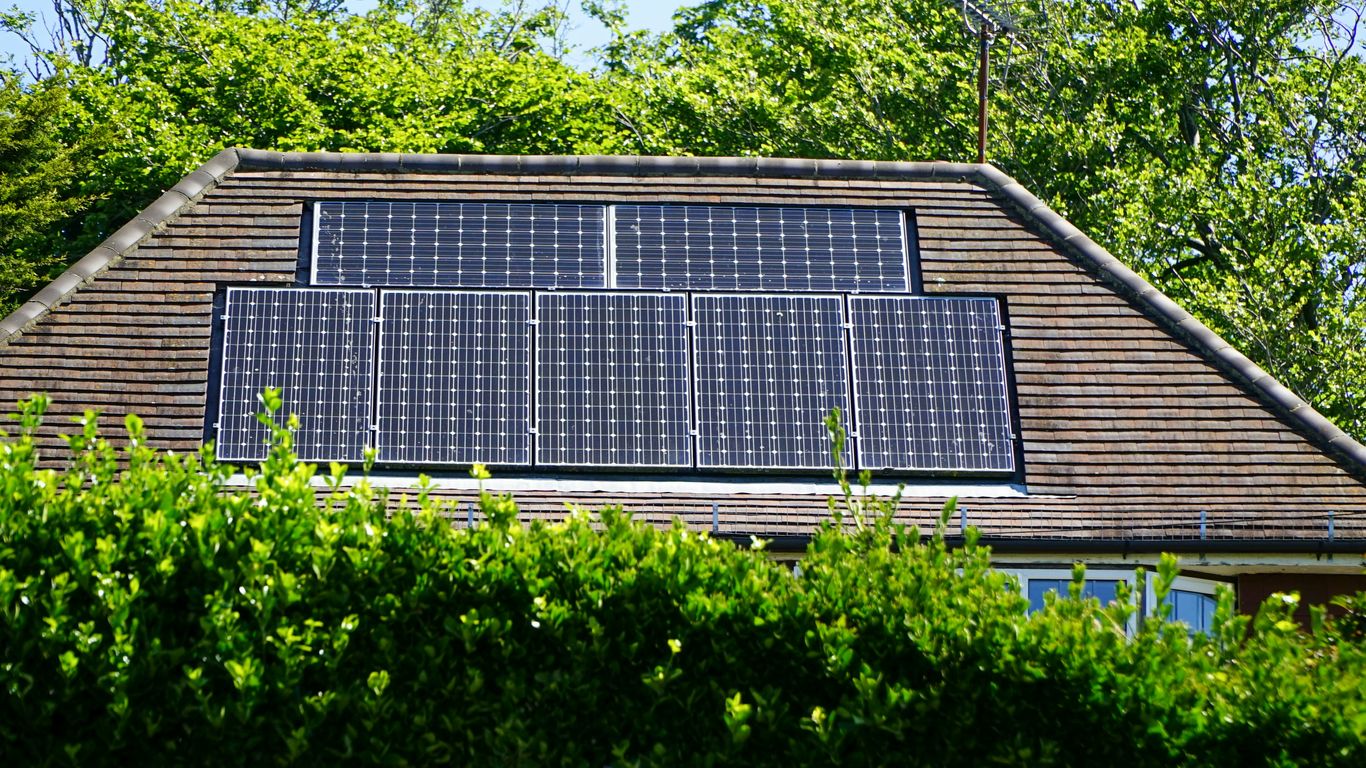
As summer heat ramps up, many homeowners automatically rely on air conditioning to stay comfortable. But at SWAT Mosquito Systems, we know that smart home comfort starts with reducing heat buildup before it ever reaches your living space. Solar-powered attic fans offer a natural, energy-efficient way to keep your home cooler, while also supporting a healthier attic environment. Ready to make your home more comfortable from the top down? Contact SWAT Mosquito Systems to learn how solar-powered ventilation fits into a whole-home comfort strategy.

Key Takeaways

  • A solar-powered attic fan uses sunlight to vent hot air from your attic, helping to cool your home naturally without using household electricity.
  • These fans can lower your energy bills by reducing the workload on your air conditioning system and preventing heat buildup in your attic.
  • Proper installation and fan sizing are important for effective cooling; consider your attic size and ventilation needs.
  • Solar attic fans require minimal maintenance, usually just occasional cleaning of the solar panel and vent openings.
  • While not a replacement for air conditioning, a solar-powered attic fan works alongside it to improve comfort and energy efficiency.

Understanding Solar-Powered Attic Fans

So, you’re thinking about ways to keep your home cooler without racking up a huge electricity bill? Solar-powered attic fans might just be the ticket. These nifty devices are designed to tackle one of the biggest heat traps in your house: the attic. They work by using the sun’s energy to actively vent hot air out of your attic space. This simple, yet effective, process can make a surprising difference in your home’s overall temperature and comfort.

What Is a Solar-Powered Attic Fan?

A solar-powered attic fan is a ventilation system that uses the sun’s energy to remove trapped heat from your attic, without pulling electricity from your home. At SWAT Mosquito Systems, we recommend solutions like this because they work automatically when heat is at its worst, helping homeowners stay comfortable without increasing energy costs. Curious if solar attic ventilation is right for your home? SWAT Mosquito Systems can help you evaluate your attic setup.

How Solar-Powered Attic Fans Operate

Solar attic fans work hardest when you need them most. As attic temperatures climb during peak sunlight hours, the solar panel activates the fan to push hot air out and pull cooler air in through existing vents. SWAT Mosquito Systems often sees attic temperatures reduced significantly, which directly impacts indoor comfort. Let SWAT assess whether your attic ventilation is helping or hurting your home’s comfort.

Key Components of a Solar Attic Fan System

A solar attic fan system is pretty simple, usually consisting of just a few main parts:

  • Solar Panel: This is the heart of the system, capturing sunlight and converting it into electricity. The size and efficiency of the panel directly impact how much power the fan can generate.
  • Fan Motor: This is what spins the fan blades. Most solar attic fans use quiet, efficient DC motors designed to run on the power supplied by the solar panel.
  • Fan Blades and Housing: These are designed to efficiently move air out of the attic. The housing protects the motor and fan from the elements.
  • Thermostat (Optional but Recommended): Many units include a built-in thermostat that controls when the fan operates based on attic temperature. This prevents the fan from running when it’s not needed, like on cool nights.
  • Mounting Hardware: This secures the fan unit to your roof or gable.

The beauty of these fans lies in their independence. They don’t rely on your home’s electricity, making them an eco-friendly and cost-effective solution for attic ventilation. They are a smart addition for homeowners looking to improve comfort and potentially lower their energy bills.

These fans are a fantastic way to improve your home’s overall energy efficiency and comfort. You can find out more about the benefits of solar attic fans here.

Benefits of Utilizing Solar Attic Fans

So, you’re thinking about adding a solar attic fan to your home? That’s a smart move. These things aren’t just some fancy gadget; they actually do some real work to make your house better, especially when it’s hot out. Let’s break down why they’re a good idea.

Reducing Home Cooling Costs

One of the biggest benefits SWAT Mosquito Systems homeowners notice is reduced strain on their air conditioning system. By lowering attic temperatures, solar fans help your AC cycle less frequently, saving energy while maintaining comfort. Want to reduce cooling costs without sacrificing comfort? SWAT Mosquito Systems can help you build a smarter home protection plan.

Enhancing Indoor Air Quality

While the main focus is often on heat, these fans also help with air circulation. Stagnant air in an attic can sometimes lead to musty smells or even contribute to the buildup of pollutants. By constantly moving air, the solar fan helps to vent out stale air and bring in fresher air (through your existing soffit vents, for example). This can make the air inside your home feel cleaner and more pleasant, especially in rooms that tend to get stuffy.

Extending Roof Lifespan

Excess attic heat doesn’t just affect comfort, it can shorten the lifespan of your roof and insulation. SWAT Mosquito Systems looks at attic ventilation as part of protecting your home’s structure, not just cooling it. Protect your roof and your investment, schedule a consultation with SWAT Mosquito Systems today.

Preventing Moisture and Ice Dams

This benefit might surprise you, as we usually talk about solar fans in the summer. But they’re useful in winter too! In colder months, warm, moist air from inside your house can rise into the attic. If this humid air hits the cold roof deck, it can condense and freeze, especially near the eaves. This leads to ice dams, which can cause water to back up under your shingles and leak into your home. A solar attic fan, by venting that moist air out, helps keep the attic cold and dry, preventing the conditions that lead to ice dams. It’s all about maintaining a healthy attic environment year-round.

Choosing the Right Solar Attic Fan

Not all solar attic fans are created equal. At SWAT Mosquito Systems, we evaluate attic size, ventilation balance, roof exposure, and climate before recommending a solution, because proper sizing and placement matter. Avoid guesswork, SWAT Mosquito Systems can help you choose the right solution the first time.

Types of Solar Attic Fan Installations

Most solar attic fans fall into a couple of main categories based on how they’re installed. The most common is the roof-mounted unit. This is where the fan and its solar panel are combined into one piece that gets installed directly onto your roof. They’re pretty popular because they’re out of the way and can catch the sun really well.

Then you have gable-mounted fans. These are installed on the side of your house, usually in the attic’s gable end (that triangular part of the wall under the roof peak). Sometimes, the solar panel might be separate and mounted on the roof or a nearby sunny spot, connected to the fan unit in the gable. This can be a good option if you’re not keen on cutting into your roof or if your roofline isn’t ideal for direct solar exposure.

Factors Affecting Fan Performance

Several things can impact how well your solar attic fan works. The size of your attic is a big one, of course. A tiny attic doesn’t need a powerhouse fan, and a huge one will need something more robust. The amount of sunlight the solar panel gets is also super important. If it’s shaded by trees or other parts of your house for most of the day, it won’t run as effectively.

Here are some other points to keep in mind:

  • CFM Rating: This stands for Cubic Feet per Minute, and it tells you how much air the fan can move. Higher CFM means more air circulation.
  • Solar Panel Wattage: A more powerful solar panel will generate more electricity, allowing the fan to run stronger and longer, especially on less sunny days.
  • Thermostat/Humidistat: Some fans come with built-in controls that turn them on only when the attic reaches a certain temperature or humidity level. This can save energy and prevent over-ventilation.
  • Build Quality: Look for fans made with durable materials, especially if you live in an area with harsh weather. Aluminum or steel construction is generally better than plastic for longevity.

Matching Fan Size to Attic Space

Getting the size right is key to making sure your fan actually does its job without being overkill. A general rule of thumb is that you need about 1 CFM of airflow for every square foot of attic space. So, if you have a 1,500 square foot attic, you’d ideally want a fan or a combination of fans that can move at least 1,500 CFM.

However, this can vary based on your climate and how well-sealed your attic is. If you have a very hot climate or a lot of heat buildup, you might want to aim a bit higher. For larger or oddly shaped attics (like an L-shaped house), you might need more than one fan placed strategically to ensure good air movement throughout the entire space. It’s often better to have two smaller fans on opposite ends of a large attic than one giant fan in the middle.

Always check the manufacturer’s recommendations for the square footage their specific fan model is designed to cover. They usually provide clear guidelines based on their fan’s CFM rating and solar panel size.

Installation and Placement Considerations

Proper installation is key to performance. SWAT Mosquito Systems focuses on airflow balance, ensuring intake ventilation supports the fan so conditioned air stays inside your home where it belongs. Let SWAT Mosquito Systems ensure your attic ventilation works with your home, not against it.

Optimal Roof-Mounted Fan Placement

When you’re putting a fan directly on the roof, think about where the hottest air hangs out. That’s usually near the very top, the peak or ridge of your attic. Hot air naturally rises, so placing the fan up there lets it pull out the most intense heat. If you can, try to put it on a part of the roof that gets a lot of sun, ideally facing south or west. This way, the solar panel gets maximum sun exposure, which means the fan runs at its best during the hottest parts of the day. Most fans are rated for a certain attic size, so check the specs and make sure one fan is enough for your space.

If you have a big or oddly shaped attic, you might need two fans, spaced out, rather than one giant one. Just don’t go crazy with too many; you don’t want to accidentally pull cool air from your house into the attic if your intake vents aren’t up to snuff.

Gable-Mounted Fan Options

Sometimes, you don’t want to cut a new hole in your roof. That’s where gable-mounted fans come in handy. With these, you typically install the fan unit inside your attic, right behind an existing gable vent. The solar panel then gets mounted on the roof, and a small wire connects it to the fan. This avoids making new roof penetrations, which is a big plus for keeping your roof leak-free. You still need to make sure the solar panel is positioned well for sun exposure and tilted correctly if your roof pitch is low. You’ll use brackets to secure it and seal up where the wire goes through the roof.

Ensuring Adequate Intake Ventilation

This is super important, and I can’t stress it enough: ventilation is a two-way street. For your solar attic fan to work effectively, your attic needs good intake vents. These are usually found along the eaves or soffits, letting cooler air in. If you don’t have enough intake, the fan might struggle to pull hot air out, or worse, it could start pulling conditioned air from your living space. That defeats the purpose and makes your AC work harder. So, before you even think about installing the fan, check your attic’s intake ventilation. You want a good balance – enough air coming in for the fan to push the hot air out efficiently. A well-sealed and insulated attic floor is also key here; it stops conditioned air from escaping upwards. It’s a bit of prep work, but it makes a huge difference in how well the fan performs and how comfortable your home stays.

Proper installation is key to getting the most out of your solar attic fan. Think about placement for sun exposure and hot air escape, consider gable-mount options to avoid roof cuts, and always, always make sure you have enough intake ventilation. Skipping these steps can really limit the fan’s effectiveness and might even cause new problems.

When you’re looking at different models, you might find some that can be installed by simply swapping out an existing passive roof vent. This is a fantastic option because it means no new holes in your roof, which is great for maintaining roof integrity. It’s a simpler installation that uses an existing opening, cutting down on labor and potential leak points. If a retrofit is possible for your situation, it’s definitely worth considering.

Maintenance and Longevity of Solar Fans
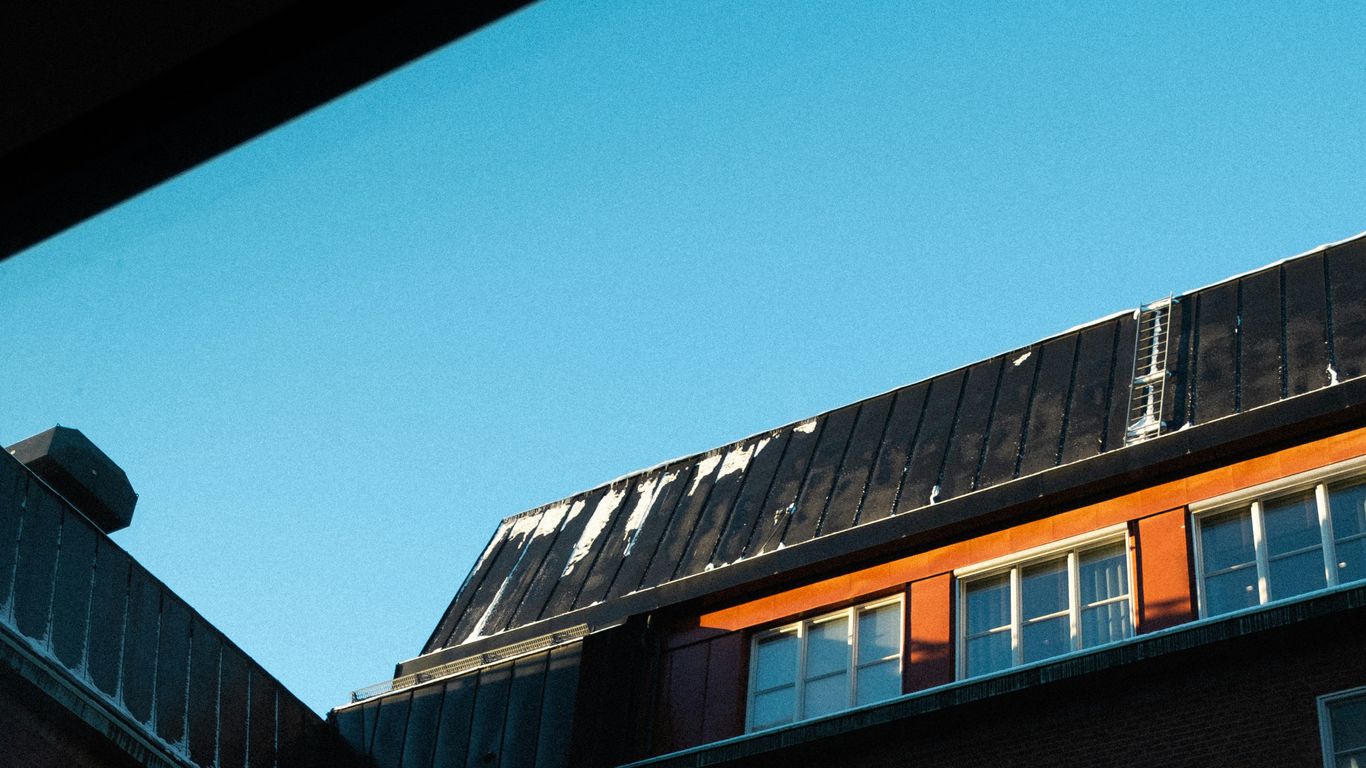
Roof with solar panel installation potential, clear blue sky, emphasizing sunlight exposure for solar attic fan efficiency.

Solar attic fans are low-maintenance, but routine checks help maximize lifespan. SWAT Mosquito Systems encourages proactive inspections to keep systems operating efficiently year after year. Ask SWAT Mosquito Systems about ongoing home comfort and protection solutions.

Routine Cleaning for Optimal Efficiency

While they’re low-maintenance, giving your solar fan a quick check-up once a year is a good idea. Think of it like giving your car an oil change – not too often, but it keeps things running smoothly. The main thing is to keep the solar panel clean and the fan’s vents clear.

  • Solar Panel: Dust, pollen, or even bird droppings can build up on the solar panel, blocking sunlight and reducing its efficiency. A gentle wipe-down with a soft cloth and some water, or a quick rinse, usually does the trick. Just make sure the panel is cool before you clean it.
  • Fan Vents: Check the louvers or mesh around the fan housing. Leaves, twigs, or other debris can get stuck there, hindering airflow. Clear out anything that doesn’t belong to keep the air moving freely.

Checking for Obstructions

Beyond just cleaning, it’s worth a quick visual inspection to make sure nothing is physically blocking the fan. This is especially important if you live in an area with heavy snowfall or strong winds.

  • Snow and Ice: In winter, heavy snow drifts can sometimes cover the fan. While the sun hitting the panel might melt some snow, a large accumulation could block operation. Check after major snowfalls.
  • Debris: Look for any larger items, like fallen branches or nests, that might have lodged themselves around the fan unit.

Keeping your solar attic fan clear of obstructions and clean is the primary way to ensure it operates at peak performance for years to come. It’s a simple step that prevents potential issues and maximizes the fan’s ability to ventilate your attic effectively.

Understanding Fan Warranties

When you’re looking at solar attic fans, pay attention to the warranty. Manufacturers usually offer these because they expect their products to last. Many good quality fans come with warranties that range from 10 to 20 years. This long lifespan is a testament to their simple design and durable components. If you ever do run into an issue, a solid warranty can save you a lot of hassle and expense. It’s a good indicator of the manufacturer’s confidence in their product’s longevity, and it gives you peace of mind knowing your investment is protected. For example, some brands offer warranties that far exceed the typical 5-10 years from others, which is a strong signal of quality solar panel maintenance.

Solar attic fans are designed to withstand the elements, often featuring rust-resistant materials and UV-stable coatings. This robust construction means they can handle being exposed to weather year-round. Their ability to help prevent moisture buildup, even in cooler months, is another aspect of their long-term value preventing moisture and ice dams.

Solar Attic Fans vs. Traditional Cooling

How Solar Fans Assist Air Conditioning

SWAT Mosquito Systems views solar attic fans as a support system for your AC, not a replacement. By reducing attic heat, your cooling system operates more efficiently, extending its lifespan. Want your AC to work smarter, not harder? SWAT Mosquito Systems can help.

Energy Savings Compared to AC

This is where things get really interesting for your wallet. Traditional attic fans, or even just relying solely on your AC, can rack up a pretty hefty electricity bill, especially during peak summer months. Solar attic fans, on the other hand, run on free sunshine. They don’t draw power from your home’s electrical grid. This means zero operating cost for the fan itself. Over the lifespan of the fan, these savings add up significantly.

Some studies suggest that proper attic ventilation, which solar fans provide, can cut cooling costs by as much as 30-40% in hotter climates. Even in more moderate areas, reducing the workload on your AC translates directly to lower energy consumption. It’s a win-win: a cooler house and a smaller electricity bill.

Quiet Operation Benefits

One of the best things about modern solar attic fans is how quiet they are. Unlike some older powered attic fans or even noisy turbine vents, these units are designed for minimal sound. Many use brushless motors, which are known for being both long-lasting and very quiet. You’ll likely notice the difference in your attic’s temperature more than you’ll hear the fan itself. It’s a subtle but important benefit. You won’t have a constant hum or rattle disturbing your peace. This quiet operation means you can enjoy the benefits of attic ventilation without any added noise pollution inside or outside your home. It’s a background helper that just does its job without fuss.

Maximizing Solar Fan Performance

So, you’ve got your solar attic fan installed, and it’s doing its thing, right? But are you getting the most out of it? It’s not just about slapping it on the roof and forgetting about it. A few smart moves can really make a difference in how well it keeps your attic cool and, by extension, your home more comfortable.

Adjustable Solar Panels for Sun Tracking

Think of the solar panel like the fan’s engine. If that engine isn’t getting enough fuel (sunlight), it’s not going to run at its best. Many solar attic fans come with panels that can be tilted or adjusted. This simple adjustment allows you to angle the panel directly towards the sun throughout the day and even seasonally. Why does this matter? Because the angle of the sun changes. In the summer, the sun is higher in the sky, and in the winter, it’s lower.

By tweaking the panel’s position, you’re making sure it soaks up the maximum amount of solar energy possible. This means more power for the fan, and more air being moved out of your attic. It’s a bit like making sure your phone is charging in the best spot – you want that direct light. Some advanced systems even have automatic trackers, but for most of us, a manual adjustment a couple of times a year is plenty.

Pairing with Portable Power Stations

Now, what happens when the sun goes down, or on those really overcast days? A standard solar attic fan will just stop. But what if you want ventilation even when the sun isn’t cooperating? That’s where pairing your solar fan with a portable power station comes in handy. You can connect your solar fan to a power station, which can be charged by the sun (or grid power if you need it). This setup gives you a backup power source. It means your fan can keep running, providing ventilation even during extended cloudy periods or into the evening hours. It’s a bit like having a backup battery for your phone; it ensures continuous operation when you need it most. This is especially useful if you’re concerned about heat buildup lingering after sunset.

Understanding Direct-Connect vs. Battery Storage

When you’re looking at solar attic fans, you’ll notice two main ways they operate: direct-connect and battery storage. A direct-connect fan runs only when the sun is shining directly on its panel. It’s the simplest setup and often the most affordable. The fan’s speed will naturally fluctuate with the intensity of the sunlight. On the other hand, systems with battery storage capture solar energy during the day and store it. This stored energy can then be used to power the fan when sunlight is weak or unavailable, like at night or on cloudy days. This provides more consistent ventilation.

The choice between the two really depends on your budget and how critical continuous ventilation is for your specific situation. For most homes, a direct-connect fan is sufficient, but if you live in an area with frequent cloud cover or want guaranteed airflow 24/7, battery storage might be worth the extra investment. It’s a trade-off between upfront cost and operational flexibility.

Getting the most out of your solar attic fan isn’t complicated. It involves a little bit of thoughtful placement, occasional adjustments, and understanding how it works with the sun’s power. By paying attention to these details, you can ensure your fan is working efficiently to keep your attic cooler and your home more comfortable, all while using clean energy.

Cost and Investment in Solar Attic Fans

Thinking about adding a solar attic fan? It’s a good question to ask about the price tag and what you get back.

Typical Unit and Installation Costs

So, how much does this solar magic actually cost? Well, it’s not a one-size-fits-all answer, but we can get a pretty good idea. For a basic solar fan, the kind that can handle a smaller attic space, you’re probably looking at somewhere in the ballpark of $300. If you want something a bit more robust – say, a fan with a bigger solar panel (like 40–50 watts) that moves more air, maybe with a fancy adjustable panel or a built-in thermostat – you could be looking at $500 to $700.

The materials matter too; a fan made with all metal parts, a big, efficient solar panel, and a motor that doesn’t need brushes will naturally cost more than a smaller plastic one. The good news is, once you buy it, the fan itself runs on free sunshine, so there are no ongoing energy bills for its operation.

Now, installation. If you’re comfortable working on your roof and know your way around basic tools, you might be able to do it yourself and save some cash. They’re generally pretty DIY-friendly if you’re okay with potentially cutting a hole in your roof. But, a lot of folks prefer to have a professional roofer or contractor handle it, just to make sure it’s installed correctly and won’t leak.

Hiring someone usually adds another $100 to $300 per fan. This cost can change depending on how tricky the job is. For example, swapping out an old vent for a fan is quicker and cheaper than cutting a whole new spot. Roofs with tile or slate, or those that are really high, might also cost a bit more for labor. Most of the time, though, it’s a job that takes an hour or two. Many pros charge a set price per fan, maybe $150 to $200 for a standard install. If you need two fans, they might knock a little off the price for each since they’re already there.

Putting it all together, a solar attic fan professionally installed usually lands somewhere between $600 and $800. You can spend less if you find a good deal or do it yourself (some handy people have managed it for just the cost of the fan, around $300). It can also go higher if you opt for a top-tier fan or have a complicated roof situation. Some really high-end models with extra features could push the total closer to $1,000 or more.

Calculating Return on Investment

So, you’ve spent a few hundred dollars, maybe a bit more with installation. When do you start seeing that money come back? The main way is through your electricity bill. By helping to keep your attic cooler, the solar fan reduces the workload on your air conditioner. In hotter climates, this can mean a noticeable drop in your cooling costs over the summer. Some people report saving $50 to $100 or even more each summer.

Over a few years, these savings can add up and effectively pay for the fan and its installation. For instance, if you spend $700 and save $100 a year, the fan has paid for itself in about seven years. And remember, the fan will likely keep working for many years beyond that, continuing to save you money.

It’s also worth thinking about the less obvious savings. A cooler, drier attic can help prevent problems down the road. This might mean avoiding costly repairs like mold removal, replacing damaged insulation, or dealing with premature roof wear. While it’s hard to put an exact dollar amount on avoiding these issues, the potential savings can be huge – sometimes thousands of dollars. So, think of a solar attic fan not just as an energy saver, but also as a way to protect your home’s long-term health and value.

Long-Term Value of Solar Ventilation

When you look at the big picture, solar attic fans offer a lot of bang for your buck over time. Unlike traditional electric fans that have ongoing energy costs, solar fans use free power from the sun. This means that after the initial investment, your savings on electricity bills are pure profit, so to speak. Many of these fans are built tough, designed to withstand the elements for years, and often come with long warranties – sometimes 10, 15, or even 20 years. This durability means you’re not likely to face frequent replacement costs.

Beyond the direct financial savings, there’s the added comfort of a cooler home. A well-ventilated attic means less heat radiating down into your living spaces, making your home more comfortable, especially during those hot summer months. This can also mean your air conditioner doesn’t have to run as hard or as often, which not only saves energy but also reduces wear and tear on the unit, potentially extending its lifespan. It’s a smart, sustainable choice that benefits your wallet, your comfort, and the environment.

Thinking about adding a solar attic fan? It’s a smart move for your home’s energy use. While the initial cost might seem a bit high, the long-term savings and benefits are totally worth it. These fans help keep your attic cool, which means less work for your air conditioner and lower electricity bills. Plus, they can help prevent heat damage to your roof. Curious about how much you might save? Visit our website to learn more about the investment and see if a solar attic fan is the right choice for you!

Wrapping Up Your Cool Home Strategy

A cooler home doesn’t start at the thermostat, it starts in the attic. Solar-powered attic fans are one of the many smart solutions SWAT Mosquito Systems recommends to protect your comfort, your energy efficiency, and your home year-round. Ready to take control of your home’s comfort and protection? Contact SWAT Mosquito Systems today to get started.

Thinking about adding a solar attic fan to your home? It’s a smart, energy-efficient upgrade, especially for homeowners across Florida who want a cooler attic, lower cooling costs, and better overall home protection. At SWAT Mosquito Systems, we work with homeowners every day who are looking for simple solutions that improve comfort without raising energy bills, and solar attic fans fit that need perfectly.

Key Takeaways

  • Solar attic fans use direct sunlight to quietly ventilate hot, humid attic air, an especially important benefit for Florida homeowners dealing with extreme heat and year-round moisture. SWAT’s outdoor system expertise often overlaps with home ventilation needs, making this an option our team frequently recommends.
  • The main benefits include a cooler attic and living space, reduced strain on your air conditioning system, potential energy savings, and protection against moisture damage like mold and ice dams.
  • These fans are generally quiet, require little maintenance, and operate automatically when there’s enough sunlight, making them a ‘set it and forget it’ kind of upgrade.
  • Installation is usually straightforward, often taking less than an hour, and doesn’t require complex electrical wiring, though proper placement and ensuring adequate intake ventilation are important.
  • While they work best in direct sunlight, solar attic fans will still operate, albeit at a lower speed, on cloudy days, and they shut off automatically when there’s no sun or when the attic reaches a desired temperature.

What Is A Solar Attic Fan?

So, what exactly is a solar attic fan? Think of it as a smart, self-powered ventilation system designed to keep your attic from turning into a 150° heat trap. It uses a built-in solar panel, no wiring, no added electrical cost. And because it’s a ‘set it and forget it’ upgrade, SWAT homeowners love it for the same reason they love our automated mosquito misting systems: it runs quietly in the background and makes your home more comfortable without you lifting a finger.

These fans are usually mounted right on your roof or sometimes in the gable end of your house. They’re built to work automatically. The brighter the sun, the more power the panel generates, and the faster the fan spins. This means it’s working hardest when your attic is hottest, usually during the peak of a sunny day. It’s a pretty neat, self-regulating system that helps keep your attic space cooler and drier.

This continuous air exchange is vital for preventing all sorts of problems that can pop up from stagnant, humid air, like mold or even damage to your roof structure over time. It’s a way to improve your home’s overall environment without adding anything to your electricity bill. Many homeowners find these fans to be a straightforward upgrade for better attic health and a more comfortable home, especially in warmer climates.

They’re a key part of making sure your attic is properly ventilated, which can have a big impact on your home’s comfort and energy use. If you’re curious about how they help keep things cool, you can look into how solar attic fans work.

Basically, it’s a “set it and forget it” kind of deal. Once it’s installed, it just does its thing whenever the sun is out. It’s a simple yet effective way to manage attic heat and moisture, contributing to a healthier home overall. It’s a bit like having a tiny, solar-powered helper working away up there, keeping things from getting too stuffy.

How Does A Solar Attic Fan Work?

Spiral staircase viewed from above, featuring concrete steps and black railings, illustrating architectural design and space utilization.

So, how exactly does one of these solar attic fans get the job done? It’s actually pretty straightforward. Think of your attic like a car parked in the sun all day – it gets incredibly hot, right? That trapped heat can make your whole house feel warmer and put a strain on your air conditioning. A solar attic fan is designed to tackle this.

At its core, it’s a fan with a solar panel attached. When the sun shines on the panel, it generates electricity. This electricity powers the fan motor, which then starts spinning. As the fan spins, it pulls the hot, stale air out of your attic. This process creates a sort of vacuum, and to equalize the pressure, cooler outside air gets drawn into the attic through your existing vents, usually the soffit vents under the eaves. It’s a continuous cycle of hot air out, cool air in.

The more intense the sunlight, the faster the fan spins, meaning it works hardest when your attic needs it most. Many models also have a built-in thermostat. This means the fan will automatically shut off when the attic temperature drops to a certain point, so it doesn’t run unnecessarily. This whole system is self-contained and doesn’t need to be wired into your home’s electrical system, which is a big plus for simplicity and safety. It’s basically a ‘set it and forget it’ kind of deal.

Here’s a quick rundown of the process:

  • Sunlight hits the solar panel. This generates DC electricity.
  • Electricity powers the fan motor. The fan starts to spin.
  • Hot attic air is exhausted. The fan pushes hot air out through the roof.
  • Cooler outside air is drawn in. This happens through your home’s intake vents (like soffit vents).
  • Attic temperature and humidity decrease. This helps keep your home cooler and prevents moisture buildup.

This constant air exchange is key. It prevents heat from building up and radiating down into your living spaces, which can significantly reduce the workload on your air conditioning system. It’s a smart way to manage attic temperatures using free energy from the sun, helping to keep your home more comfortable year-round. You can find more details on how proper attic ventilation works on the Energy Star website.

In the winter, these fans can also help by venting out moist air, which can prevent condensation and potential ice dams forming on your roof. So, it’s not just a summer solution; it offers benefits throughout the year.

What Are The Benefits Of Using A Solar Attic Fan?

Solar attic fans offer an impressive list of benefits, from lowering attic temperatures to reducing stress on your AC system. For Florida homeowners, the biggest win is relief from the extreme attic heat that can easily hit 160°F. SWAT often recommends solar solutions to customers who want comfort, lower energy use, and fewer home maintenance issues caused by trapped heat and moisture.

First off, they help keep your attic way cooler in the summer. Think about it – attics can get incredibly hot, like 160°F or more on a sunny day. That heat doesn’t just stay up there; it radiates down into your living space, making your upstairs rooms feel like a sauna and forcing your air conditioner to work overtime. By actively pushing that hot air out, a solar fan can drop your attic temperature significantly. Homeowners often report that their upstairs rooms feel much more bearable, and they don’t have to crank the AC quite as high. Some studies even suggest this can cut down your cooling costs by a decent chunk, maybe around 30-40% in hotter areas.

Another big plus is that they cost nothing to run. Since they’re powered by the sun, there’s no extra electricity bill for running the fan. That’s right, free ventilation! Over the years, this adds up to real savings. Plus, it’s good for the planet – less energy used means a smaller carbon footprint for your home.

Here are some other good points:

  • Protects your roof and home structure: All that heat and moisture trapped in the attic isn’t good for your roof’s shingles or the wooden structure underneath. It can cause them to age faster, warp, or even rot. A solar fan helps keep things drier and cooler, which can extend the life of your roof and prevent costly repairs down the road. It also helps prevent mold and mildew growth, which thrive in damp, stagnant air.
  • Improves comfort without straining your HVAC: If you have those notoriously hot upstairs bedrooms, a solar fan can make them more comfortable. It reduces the heat load on your main cooling system, meaning your AC cycles less often. It’s like giving your air conditioner a helping hand.
  • Works automatically and safely: Most solar fans kick on when the sun is out and shut off when it’s not. No complicated thermostats to fiddle with or forgetting to turn it on. And because they don’t connect to your home’s electrical system, there’s no risk of electrical issues or adding load to your circuits.

You might be surprised how much of a difference a little bit of airflow can make. It’s not just about comfort; it’s about protecting your home from heat and moisture damage that can sneak up on you over time. Think of it as a low-maintenance way to keep your attic healthy and your house more pleasant.

Finally, they’re pretty low-maintenance. Once installed, you don’t have to do much. Maybe give the solar panel a quick wipe now and then if it gets really dusty, but that’s about it. No motors to oil or parts to replace regularly.

How Much Energy Does A Solar Attic Fan Consume?

This is a question that often surprises people: solar attic fans don’t consume energy from your home’s electrical system at all. That’s right, they run entirely on power generated by their own built-in solar panels. The sun’s rays hit the panel, which converts that light into electricity to power the fan’s motor. This means they operate completely off-grid, so you won’t see any increase in your electricity bill because of them. It’s one of their biggest selling points, really.

Think about it: instead of drawing power from your house, they’re using free, renewable energy. This makes them an incredibly efficient way to ventilate your attic. The amount of power they generate is directly related to the size and efficiency of the solar panel and the fan’s motor. Most residential models are designed to be self-sufficient and run whenever there’s enough sunlight.

The real benefit here is the energy savings they provide for your home. By actively venting hot air out of your attic, they reduce the heat load on your house. This means your air conditioning system doesn’t have to work as hard to keep your living space cool. Some studies suggest this can lead to a reduction in air conditioning usage by up to 6 percent, which is pretty significant when you look at your energy bills. It’s a way to get a more comfortable home without adding to your energy expenses.

Here’s a quick look at what you might expect:

  • Power Source: Direct sunlight via integrated solar panel.
  • Home Energy Use: Zero. They are completely independent of your home’s electrical grid.
  • Operational Cost: Free, after the initial purchase and installation.

Because they rely on the sun, their operation is directly tied to daylight hours and weather conditions. On a bright, sunny day, they’ll run at full tilt. On a cloudy day, they’ll run slower, or perhaps not at all if the light is too low. But again, this doesn’t cost you anything extra.

So, while they don’t consume your home’s energy, they definitely help you save it by reducing the workload on your cooling systems. It’s a smart way to manage attic temperatures and improve your home’s overall energy efficiency.

What Materials Are Used In Solar Attic Fans?

When you’re looking at solar attic fans, you’ll notice they’re built with a few key materials to make sure they can handle being outside and doing their job. Most of the time, the housing and the fan blades are made from galvanized steel. This stuff is pretty tough and holds up well against the weather. The blades themselves might also be made of lightweight aluminum, which helps them spin easily.

For the part that actually catches the sun’s rays – the solar panel – you’ll usually find tempered glass or a durable plastic covering it. This protects the sensitive solar cells underneath. The goal is to use materials that are both weather-resistant and efficient at capturing solar energy.

Here’s a quick rundown of common materials:

  • Housing & Blades: Galvanized steel, aluminum
  • Solar Panel Cover: Tempered glass, durable plastic
  • Mounting Hardware: Stainless steel or galvanized steel (to prevent rust)

Some manufacturers might use different combinations, but these are the main players. It’s all about creating a unit that can withstand heat, rain, and sun exposure for years to come. You want something that’s built to last, especially since it’s going to be sitting on your roof. A well-built fan means less worry about maintenance and more consistent performance, helping to keep your attic cooler.

How Do I Install A Solar Attic Fan?

Installing a solar attic fan is usually a pretty straightforward job, but like anything, a little planning goes a long way. You don’t want to end up with a leaky roof or a fan that doesn’t really do much, right? So, let’s break down what you need to think about.

First off, placement is key. You want to mount the fan high up on the roof, ideally near the peak or ridge. That’s where the hottest air likes to hang out, and you want your fan to pull that stuff out. If you can, aim for a south- or west-facing part of your roof. This gives the solar panel the best shot at catching the sun’s rays throughout the day, meaning the fan will run at its best when you need it most.

Most fans are designed to cover a certain amount of attic space, usually around 1000 square feet per fan, but always check the specs. If you’ve got a big attic or an oddly shaped house, you might need more than one fan. It’s often better to have two smaller fans on opposite ends of a large attic than one giant one stuck in the middle. Just don’t go crazy with too many; sometimes, more isn’t better if your attic doesn’t actually need that much airflow. You don’t want to accidentally pull conditioned air from your house into the attic.

Here’s a super important point: ventilation is a two-way street. For the fan to push hot air out, you need to let cooler air in. Before you even think about installing the fan, check your soffit vents (those are usually under the eaves). Make sure they aren’t blocked by insulation or paint and that you have enough of them for your attic size. A good rule of thumb is to have at least one square foot of intake vent area for every 1000 square feet of attic space.

Now, about actually putting it on the roof. Sometimes, you get lucky and can use an existing static roof vent. Some fans are designed to fit right into the opening of one of these, which is awesome because you don’t have to cut any new holes in your roof. You just swap out the old vent for the new solar fan. If you don’t have a suitable vent, you’ll need to cut a new hole. Manufacturers usually provide a template for this, often around 12-14 inches. Pick a spot between the rafters, making sure there are no wires or pipes in the way. When you cut the hole, you’ll need to install flashing correctly to prevent leaks. This is where things can get tricky if you’re not used to roofing work. Proper flashing is crucial.

If you’re not comfortable working on a roof, or if you’re not handy with cutting holes and sealing them up, it’s probably worth hiring a professional. For most average homes with asphalt shingle roofs, a DIY installation can take a couple of hours. Safety first, always! Use a sturdy ladder, and if your roof is steep, consider some fall protection. Don’t attempt this on a windy or wet day.

One last thing: check your local building codes and HOA rules. While solar attic fans are generally well-received because they don’t use electricity, it’s always good to make sure there aren’t any weird restrictions or rules about exterior additions. A quick check can save you a headache down the road.

What Are The Drawbacks To Using A Solar Attic Fan?

While solar attic fans are pretty neat, they aren’t without their downsides. For starters, the initial price tag can be a bit steep compared to traditional attic fans. You’re looking at a higher upfront cost, though the idea is that you’ll make that back over time with energy savings. It’s an investment, for sure.

Another thing to consider is their reliance on sunshine. These fans work best when the sun is out and shining brightly. If you live in an area that’s often cloudy or has a lot of rainy days, the fan’s performance might not be as consistent. It’s not like a regular fan that you can just plug in whenever you want; it’s tied to the weather. This means on those really hot, humid days when you might want extra ventilation, if it’s also overcast, the fan won’t be running at full power, or might not run at all.

Installation can also be a bit of a hurdle. While many are designed to be relatively straightforward, it often involves working on your roof. Unless you’re comfortable with that kind of work, you’ll likely need to hire a professional, which adds to the overall cost. Getting the placement just right so the solar panel gets maximum sun exposure is important too.

Here are a few points to keep in mind:

  • Upfront Cost: Higher initial purchase price than standard fans.
  • Sunlight Dependency: Performance is directly tied to solar availability; less effective on cloudy days.
  • Installation Complexity: May require professional installation, adding to the expense.
  • Potential for Obstruction: Trees or other buildings could block sunlight, reducing efficiency.

It’s also worth noting that while they are designed to be weather-resistant, like any external fixture, they are exposed to the elements. Extreme weather conditions could potentially impact their lifespan or require maintenance sooner than expected. Keeping the solar panel clear of debris is also a small but necessary task to maintain optimal performance.

So, while they offer great benefits for cooling your home and saving energy, it’s smart to weigh these potential drawbacks before deciding if a solar attic fan is the right fit for your home’s ventilation needs.

Do Solar Attic Fans Work In Cloudy Weather?

So, you’re wondering if your solar attic fan is going to just sit there doing nothing when the sky is gray. It’s a fair question, right?

Yes, solar attic fans do work when it’s cloudy, but they won’t perform at their peak. Think of it like this: the solar panel is like a little power plant. On a bright, sunny day, it’s running at full capacity, giving the fan all the juice it needs to spin fast and move a lot of air. When clouds roll in, especially thick ones, the amount of sunlight hitting the panel drops. This means less electricity is generated, and the fan will slow down. It might not stop completely, but its airflow will definitely be reduced.

It’s important to remember that on cooler, cloudy days, your attic doesn’t heat up as much anyway, so it doesn’t need as much ventilation. The fan running at a lower speed is usually perfectly fine in those conditions. And on days with scattered clouds, you’ll notice the fan speeding up when the sun peeks through and then slowing down again when a cloud passes over. It’s kind of neat to watch it adjust.

For those who really need consistent airflow, even when it’s overcast or at night, there are some special ‘hybrid’ models available. These can sometimes switch over to using your home’s electricity or have a small battery backup. However, for most folks, the standard solar-only fan is more than enough because the real heavy lifting – the intense cooling – happens when the sun is beating down.

The key takeaway is that as long as there’s some daylight, your solar fan will be doing something. And when it’s dark or cool outside, your attic naturally stays cooler, so the demand for ventilation is lower.

How Does A Solar Fan Differ From A Standard Fan?

When you’re looking at attic ventilation, you’ll probably come across both solar-powered fans and standard electric fans. They might seem similar at first glance, but they operate on pretty different principles and have distinct advantages.

The biggest difference is their power source. Standard attic fans plug into your home’s electrical system, meaning they draw power directly from the grid. This is reliable, but it also means they add to your monthly electricity bill. Solar attic fans, on the other hand, are powered by a built-in solar panel. They harness sunlight to run, so once installed, they don’t cost anything to operate. This makes them a really attractive option for saving money on energy costs.

Another key distinction is how they perform. Standard fans usually have a consistent airflow, often measured in cubic feet per minute (CFM). For example, a typical bathroom fan might move around 50 CFM. Solar attic fans, however, can often move significantly more air, sometimes up to 110 CFM or more, making them quite effective at circulating air. The intensity of a solar fan’s operation also changes with the sun; they run faster when it’s bright and sunny and slow down or stop when it’s cloudy or dark. This self-regulation means they work hardest when your attic needs cooling the most.

Here’s a quick rundown:

  • Power Source: Standard fans use grid electricity; solar fans use sunlight.
  • Operating Cost: Standard fans add to your electric bill; solar fans have no ongoing energy costs.
  • Performance: Solar fans’ speed varies with sunlight intensity, while standard fans are consistent.
  • Installation: Standard fans require electrical wiring; solar fans are often simpler, especially models designed for retrofit installations.
  • Environmental Impact: Solar fans are a greener choice, using renewable energy.

While standard fans provide consistent airflow regardless of weather, solar fans offer an eco-friendly and cost-effective solution that leverages natural energy. They are designed to work with the sun’s power, making them a smart choice for reducing your home’s energy load and keeping your attic cooler without adding to your utility expenses.

Think of it this way: a standard fan is like a light bulb that’s always on when you flip the switch, using power from the wall. A solar fan is more like a plant that thrives in sunlight – it gets its energy directly from the sun and its output fluctuates based on how much light it receives. This makes them a great way to ventilate your attic using free, clean energy.

Are Solar Fans Loud?

One of the first things people wonder about solar attic fans is whether they’re going to be noisy. It’s a fair question, especially if you’ve ever dealt with a rattling window AC unit or a loud bathroom fan. The good news is that most solar attic fans are incredibly quiet. They’re designed with efficient DC motors and smaller fan blades, which naturally leads to smoother, quieter operation compared to older electric fans. Because their power source is the sun, they tend to ramp up gradually, so there’s no sudden roar when they kick on.

If you were to stand right in the attic while the fan is running at full speed, you might hear a gentle whirring sound. It’s usually pretty faint, though, and often gets drowned out by normal household noises. From inside your living space, most homeowners report they can’t even tell when the fan is operating, except for the fact that their house feels cooler.

It’s worth noting that solar fans are generally much quieter than traditional turbine vents, which can sometimes develop annoying rattles. If you’re particularly sensitive to noise, look for models that are advertised as “whisper quiet” or mention features like balanced fan blades or acoustic dampening. Brands like QuietCool are known for emphasizing minimal sound in their designs. Ultimately, you’re unlikely to notice the sound of a well-functioning solar attic fan, making it a peaceful addition to your home’s ventilation system. You can find some really effective models designed for quiet attic ventilation that won’t disturb your peace.

Wondering if solar fans make a lot of noise? While some fans can be a bit noisy, many modern solar-powered fans are designed to be quiet. They often use special blades and motors to keep the sound down. If you’re looking for a peaceful outdoor space, it’s worth checking out the specific models. Want to learn more about keeping your yard quiet and bug-free? Visit our website today!

Wrapping It Up

If you’re looking for an easy, energy-efficient upgrade that improves comfort year-round, a solar attic fan is worth considering. And if you want advice tailored to your home’s layout, roof exposure, and ventilation needs, SWAT Mosquito Systems is here to help.
Schedule a consultation with SWAT Mosquito Systems to learn how solar-powered upgrades can work alongside your mosquito misting system to create a cooler, more comfortable outdoor environment.

Attics can get surprisingly damp, even when it’s chilly outside. This moisture isn’t just a nuisance, it can lead to serious issues like mold, which can cause damage over time. When it comes to preventing attic moisture, solar-powered fans are a game changer. These fans harness the sun’s energy, which not only makes them eco-friendly but cost-effective too. In this article, we’ll explore how solar attic fans work to keep your attic dry and why proper installation is key to their long-term success.

Key Takeaways

  • Solar attic fans help prevent moisture buildup, reduce ice dam formation, and extend your roof’s lifespan.
  • These fans run entirely on solar power, eliminating the need for extra energy costs.
  • Proper installation is essential to maximize their benefits and ensure they last.

Understanding Attic Moisture Buildup In Colder Climates

Sources Of Moisture In Your Attic

Attics in colder climates can become surprisingly damp, even when it’s freezing outside. A lot of this moisture comes from inside your house. Every time you shower, cook, or even just breathe, you’re releasing water vapor into the air. This warm, moist air naturally rises. If your attic isn’t properly sealed, this humid air can seep up through light fixtures, attic hatches, and any other small gaps. Then there’s the moisture from outside, especially if you have any roof leaks or issues with your gutters not directing water away properly. Even damp firewood stored in or near the attic can contribute.

The Impact Of Temperature Fluctuations

Temperature swings are a big deal for attics in cooler weather. During the day, the sun can warm up your roof, and consequently, the air inside the attic. This warm air can hold more moisture. But when the sun goes down, or a cold front moves in, that temperature plummets. This rapid cooling is where problems start. The air can’t hold as much moisture when it’s cold, so the excess water vapor has to go somewhere. This is a key reason why attics get damp.

Condensation’s Role In Mold Growth

When that warm, moist air hits the cold surfaces inside your attic – like the underside of your roof sheathing or insulation – it cools down rapidly. This cooling causes the water vapor to turn back into liquid water. It’s just like how a cold glass of iced tea gets wet on the outside on a warm day. This condensation is the perfect breeding ground for mold and mildew. Over time, this can lead to that musty smell and even structural damage. It’s a cycle: warm moist air rises, cools on cold surfaces, condenses, and then mold starts to grow. Addressing this cycle is important for maintaining a healthy home, much like keeping up with mosquito control is for enjoying your yard.

How Solar Attic Fans Combat Winter Moisture

Solar attic fans provide continuous ventilation, ensuring that air circulation keeps your attic dry. These fans work by gently pushing out damp air and pulling in drier air from outside. This constant exchange prevents condensation buildup, ensuring your attic remains free from the moisture that can cause mold, mildew, and long-term structural damage. For Florida homes, where humidity is a constant challenge, installing a solar attic fan is one of the best ways to combat attic moisture.

Continuous Ventilation For Dryness

Think of your attic like a lung. When it’s sealed up tight, especially in winter, moist air gets trapped. This humid air can then settle on cooler surfaces, like the underside of your roof or your insulation. Solar attic fans provide a constant, gentle airflow that pushes out that damp air and pulls in drier outside air. This continuous exchange is key to preventing moisture buildup. It means less chance for condensation to form, keeping your attic materials drier and healthier. This constant ventilation is a simple yet effective way to combat the dampness that can creep in during colder months, helping to keep your attic dry and preventing potential issues down the line. You can find out more about how they work by looking at solar attic fan operation.

Preventing Ice Dams With Airflow

Ice dams are a real headache for homeowners. They happen when snow on your roof melts, runs down, and then refreezes near the eaves, creating a barrier that traps more water. This backed-up water can then seep into your home. While it might seem counterintuitive, good attic ventilation helps prevent ice dams. By keeping the attic air cooler and more consistent, solar fans reduce the temperature difference between the roof surface and the outside air. This means less melting and refreezing cycles that cause ice dams to form in the first place. It’s all about managing that temperature.

Reducing Humidity Levels Effectively

Attics are often a collection point for moisture from various sources, like bathrooms and kitchens venting into the attic space, or even just everyday household activities. During cooler months, this moisture can become concentrated. Solar attic fans actively work to lower these humidity levels. They don’t just move air; they replace the humid indoor air with the drier air from outside. This process is particularly effective because the fans operate whenever there’s sunlight, meaning they’re working when the sun is out and potentially helping to dry things out. It’s a smart way to manage the moisture that can accumulate over time.

The constant circulation of air provided by a solar attic fan is a proactive measure against the damp conditions that cooler weather can bring. It’s about creating an environment where moisture struggles to take hold and cause damage.

The Science Behind Solar Attic Fan Operation

Solar attic fans operate by converting sunlight into electricity via a photovoltaic panel. This energy powers the fan motor, which creates airflow that helps remove moist air from your attic. Even on cloudy days, these fans can work effectively by harnessing available sunlight, which makes them a reliable choice year-round. With SWAT’s solar attic fans, you can trust that your attic remains properly ventilated no matter the season.

Harnessing Solar Power For Ventilation

At its core, a solar attic fan uses a photovoltaic panel to capture sunlight. This panel converts solar energy into electricity, which then powers a small motor. This motor drives the fan blades, creating airflow. Even on cloudy days, the solar panel can generate enough electricity to operate the fan, though perhaps at a reduced speed. The amount of power generated is directly related to the intensity of the sunlight hitting the panel. Think of it like a tiny power plant on your roof, working whenever there’s light available.

Thermostatic Controls For Efficiency

Many solar attic fans come equipped with a thermostat. This is a really neat feature that helps the fan run only when it’s needed. The thermostat is set to a specific temperature. When the attic temperature rises above that set point, the thermostat signals the fan to turn on. Once the attic cools down, the fan switches off. This prevents the fan from running unnecessarily, saving energy and wear and tear. It’s a smart way to manage attic temperatures without you having to lift a finger. For those in warmer climates looking to cool outdoor spaces, similar principles apply to misting systems to combat intense heat.

Humidistat Integration For Optimal Humidity

Some advanced models also include a humidistat. While thermostats manage temperature, a humidistat monitors and controls the humidity level inside the attic. This is particularly useful for preventing moisture buildup. If the humidity gets too high, the humidistat can trigger the fan to run, expelling the moist air and drawing in drier outside air. This dual control system, using both temperature and humidity sensors, offers the most effective way to keep your attic dry and healthy year-round, especially during those cooler months when moisture is a bigger concern.

Benefits Beyond Moisture Control

While keeping your attic dry and mold-free is a huge win, solar attic fans do more than just that. They actually contribute to a healthier home environment and can save you money in ways you might not expect.

Improved Indoor Air Quality

Think about it: your attic is like a big box sitting above your living space. If there’s stale, humid air up there, especially with any lingering mustiness from potential mold or mildew, that air can eventually seep down into your rooms. A solar attic fan helps to constantly cycle that air out. This means less chance for unpleasant smells to travel downstairs and a fresher feel overall in your house. It’s like giving your home a constant, gentle breath of fresh air. This is particularly helpful if you have allergies or sensitivities, as it can reduce the circulation of dust and other airborne irritants that might collect in the attic.

Extended Roof Lifespan

Excess moisture in an attic isn’t just bad for mold; it’s tough on your roof structure too. Over time, constant dampness can weaken the wooden beams and decking. In colder months, this moisture can freeze and thaw, causing materials to expand and contract, leading to cracks and rot. By keeping the attic drier, a solar fan helps protect these structural components. This means your roof lasts longer, saving you from costly repairs or premature replacement down the line. It’s a proactive step that guards your home’s most important shield against the elements.

Energy Savings Through Reduced HVAC Load

This might seem a little counterintuitive, especially in cooler months, but hear me out. In the summer, attics can get incredibly hot, and that heat radiates down into your living space, making your air conditioner work overtime. While we’re focusing on winter, the principle of air circulation still applies. A well-ventilated attic, even in cooler weather, helps regulate temperature more evenly. This means your heating system doesn’t have to fight as hard to keep your home warm, as less heat escapes through the ceiling. It’s a subtle but real way to trim down those energy bills throughout the year, not just when it’s hot outside.

Choosing The Right Solar Attic Fan

So, you’re thinking about getting a solar attic fan to help with moisture and maybe even those pesky ice dams. That’s a smart move! But before you just grab the first one you see, let’s talk about picking the right one. It’s not a one-size-fits-all deal, and getting it wrong means you might not get all the benefits you’re hoping for.

Fan Size and Airflow Capacity

This is probably the most important part. You need a fan that can move enough air for your attic’s size. Too small, and it won’t do much. Too big, and you might be wasting money or even pulling conditioned air from your house, which nobody wants. Attic size is measured in square footage, and fans are rated by CFM, which stands for Cubic Feet per Minute. It’s basically how much air the fan can move each minute.

Here’s a general idea, but always check the manufacturer’s recommendations:

Attic Square Footage Recommended CFM Range
Up to 1000 sq ft 1000 – 1500 CFM
1000 – 1500 sq ft 1500 – 2000 CFM
1500 – 2000 sq ft 2000 – 2500 CFM
Over 2000 sq ft 2500+ CFM

Don’t just guess your attic size; measure it! It makes a big difference.

Durability and Weather Resistance

This fan is going to sit on your roof, exposed to sun, rain, snow, and wind. You want something built tough. Look for fans made with sturdy materials like galvanized steel or heavy-duty aluminum. The solar panel itself should be protected by tempered glass, not just plastic, to handle hail or falling debris. Check reviews for how well they hold up over time in different weather conditions. A good fan should last for years without issues, even through harsh winters. Think about it like installing a mosquito misting system – you want it to be reliable when you need it.

Solar Panel Efficiency Considerations

The solar panel is what powers the fan, so its efficiency matters. Higher efficiency panels can generate more power from the same amount of sunlight. This means your fan might run longer or stronger, especially on cloudy days. While you don’t need to become a solar expert, a quick look at the panel’s wattage and efficiency rating can give you a clue. Some fans have integrated panels, while others have separate ones that can be positioned for better sun exposure. If you live in an area with less direct sunlight, a more efficient panel is definitely worth considering.

When choosing, think about the long game. A slightly more expensive fan that’s built better and more efficient might save you money and hassle down the road. It’s about getting the most bang for your buck and ensuring your attic stays dry and healthy.

Professional Attic Fan Installation For Optimal Performance

So, you’ve decided a solar attic fan is the way to go for keeping your attic dry and mold-free, especially when it gets cold. That’s a smart move! But here’s the thing: even the best fan won’t work its magic if it’s not put in right. Getting a professional installation is key to making sure your fan does its job effectively. It’s not just about screwing it into the roof; there’s a bit more to it than that.

Importance Of Correct Placement

Where you put the fan matters a lot. It needs to be in a spot where it can actually pull air out of the attic space. Think of it like a vacuum cleaner – you wouldn’t try to clean the floor with the nozzle pointed at the wall, right? The same idea applies here. A pro knows the best locations to maximize airflow and avoid creating dead spots where moisture can still hang around. They’ll consider your roof’s design and how your attic is laid out.

Ensuring Proper Sealing And Integration

When a fan is installed, it creates an opening in your roof. If this isn’t sealed up tight, you’re inviting trouble. Rain, snow, and even drafts can get in, defeating the purpose of the fan and potentially causing damage. Professionals use the right materials and techniques to make sure everything is watertight and integrated properly with your existing roof structure. This also helps prevent air leaks that could affect your home’s heating and cooling.

Professional Attic Fan Installation Services

Why bother with the hassle yourself? Hiring someone who does this for a living means you get it done right the first time. They have the tools, the knowledge, and the experience to handle any issues that might pop up during installation. Plus, many professional services come with a warranty, giving you peace of mind.

Here’s a quick rundown of what a pro brings to the table:

  • Expertise: They know the ins and outs of attic ventilation and solar technology.
  • Tools: They have specialized equipment for safe and efficient installation.
  • Efficiency: They can get the job done quicker and more effectively than most DIYers.
  • Warranty: Often, their work is guaranteed, protecting your investment.

Don’t underestimate the difference professional installation makes. It’s the bridge between having a solar attic fan and having a properly functioning system that protects your home.

Signs Your Attic Needs Better Ventilation

Sometimes, you don’t realize there’s a problem until the signs start showing up. Your attic is one of those places that can hide issues for a while, but eventually, it’ll let you know it needs some attention. If you’re noticing certain things around your house, it might be time to look at your attic ventilation.

Visible Signs Of Moisture

This is probably the most obvious clue. When you head up into the attic, look for any damp spots on the underside of the roof decking or on the insulation. You might see water stains, or even worse, actual mold or mildew growth. Dark spots or a fuzzy texture on wood or insulation are big red flags. Persistent dampness in the attic is a clear indicator that moisture isn’t escaping properly. Sometimes, you might even see frost on the rafters during colder weather, which melts and causes leaks when temperatures rise.

Musty Odors In Living Spaces

That stale, damp smell isn’t just coming from the attic itself; it can seep down into your living areas. If you start noticing a musty or mildewy odor, especially when you first turn on your HVAC system or after a period of rain, your attic might be the culprit. This smell happens when moisture trapped in the attic starts to break down materials and encourage mold growth. It’s not just unpleasant; it can also affect the air quality inside your home.

Increased Energy Bills

This one might seem a little less direct, but it’s connected. When your attic is too humid and poorly ventilated, it can affect how well your insulation works. In the winter, moist air can make your insulation less effective, meaning your heating system has to work harder to keep your home warm. This extra work translates directly into higher energy bills. It’s like trying to stay warm in a damp sweater – it just doesn’t work as well as a dry one. Your HVAC system is constantly fighting against the conditions in the attic, and that costs you money.

Poor attic ventilation doesn’t just mean a damp space; it can lead to a cascade of problems affecting your home’s structure and your comfort. Ignoring these signs can result in more significant and costly repairs down the line, from damaged drywall to compromised roofing. It’s always better to address ventilation issues early.

Here are some other things to watch out for:

  • Peeling Paint or Wallpaper: Moisture escaping from the attic can sometimes affect the ceiling below, causing paint to bubble or wallpaper to peel.
  • Condensation on Windows: While some condensation is normal, excessive fogging on interior windows, especially those near the ceiling, could indicate higher humidity levels originating from the attic.
  • Sagging Ceilings: In severe cases, persistent moisture can saturate drywall and insulation, leading to visible sagging in the ceiling.
  • Ice Dams: While more common in very cold climates, poor attic ventilation can contribute to ice dams forming on your roof edges, which can cause water to back up and leak into your home.

Maintenance Tips For Your Solar Attic Fan

Keeping your solar attic fan running smoothly is pretty straightforward, but a little bit of attention goes a long way. Regular upkeep prevents bigger problems down the road and keeps your attic dry. Think of it like changing the oil in your car – you don’t wait for the engine to seize up, right?

Regular Cleaning Of Solar Panels

Those solar panels are what power the whole operation, so they need to be clean to catch the sun effectively. Dust, leaves, and even bird droppings can build up over time, blocking sunlight. A simple wipe-down with a soft cloth and some water usually does the trick. You don’t need fancy cleaners or anything. Just make sure the panels are cool before you clean them, and avoid abrasive materials that could scratch the surface. It’s a good idea to do this at least twice a year, maybe in the spring and fall.

Checking Fan Blades For Obstructions

Sometimes, debris like twigs or leaves can get caught in the fan blades. This can make the fan work harder, reduce its efficiency, or even cause damage. You’ll want to do a visual check periodically. If you see anything stuck, carefully remove it. Make sure the fan is off before you reach up there. A quick inspection can save you from a potential breakdown.

Annual Professional Inspections

While you can handle the basic cleaning and checks, it’s wise to have a professional look at your solar attic fan once a year. They can spot issues you might miss, like worn-out bearings or electrical connections that are starting to fray. They’ll also check the overall performance and make sure it’s still working optimally. This is especially important if you live in an area with harsh weather. Getting a professional check-up can be a good investment, especially when you consider the cost of potential repairs if something goes wrong. It’s also a good time to ask them about any new developments in attic ventilation, as the technology is always improving. For example, understanding how a solar attic fan works during winter is key to preventing moisture damage, and a pro can confirm yours is up to the task installing a solar attic fan during winter is crucial for preventing moisture damage.

Keeping your solar attic fan in good shape doesn’t require a lot of time or specialized tools. Most of the maintenance involves simple cleaning and visual checks. By dedicating a little effort each year, you ensure your fan continues to protect your home from moisture and mold, saving you from costly repairs later on.

Comparing Solar Fans To Traditional Attic Ventilation

Traditional tiled roof with decorative gables, showcasing intricate architectural details and weathered texture, relevant to attic ventilation discussions.

When you’re thinking about getting your attic ventilated, you’ve probably seen a couple of options. There are the traditional electric attic fans, and then there are the newer solar-powered ones. They both aim to do the same thing – move air around your attic – but they get there in pretty different ways, and that makes a big difference in how they work and what they cost you over time.

Energy Efficiency Of Solar Options

This is where solar really shines, literally. Since solar attic fans use the sun’s power, they don’t add anything to your electricity bill. That’s a pretty big deal, especially when you think about how much electricity traditional fans can use. A traditional fan is plugged into your home’s electrical system, so every hour it runs, it’s drawing power. Solar fans, on the other hand, are essentially free to run once you’ve bought them. The more sun you have, the more they work, and the less you pay. It’s a simple concept, but it adds up. You can check out some solar attic fan options to see the variety available.

Environmental Impact Of Solar Power

Beyond just saving money on your electric bill, solar attic fans are also a greener choice. Traditional electric fans, while not huge energy hogs, still contribute to the demand for electricity, which often comes from fossil fuels. Solar power, by its nature, is clean energy. It doesn’t produce emissions or use up finite resources. So, if you’re trying to make your home more eco-friendly, a solar fan is a step in the right direction. It’s a small change, but it’s part of a bigger picture.

Cost-Effectiveness Over Time

Okay, so the upfront cost of a solar attic fan might be a bit higher than a basic electric one. That’s just how it goes with solar technology sometimes. But when you look at the long game, solar fans often come out ahead. You’re not paying for electricity to run them, and they can help your HVAC system work less hard, which also saves energy. Over the years, those savings on your electric bill can really add up, potentially making the solar option cheaper overall. It’s like buying a more efficient appliance – it costs more initially, but it saves you money month after month.

Here’s a quick look at some general differences:

Feature Traditional Electric Fan Solar Attic Fan
Power Source Home Electricity Solar Energy
Running Cost Adds to Electric Bill Free (after purchase)
Environmental Impact Uses Grid Power Clean, Renewable Energy
Upfront Cost Generally Lower Generally Higher
Long-Term Savings Minimal Significant

While traditional fans might seem like the easy, cheaper choice at first glance, the ongoing costs and environmental impact are worth considering. Solar fans offer a way to ventilate your attic effectively without adding to your utility bills or your carbon footprint.

Addressing Common Concerns About Attic Fan Installation

So, you’re thinking about getting a solar attic fan, which is great for tackling moisture issues. But maybe you’ve got a few questions or worries about actually getting one installed. That’s totally normal! Let’s clear up some of the common concerns people have.

Noise Levels During Operation

One of the first things people ask is, “Will this thing be loud?” Honestly, most modern solar attic fans are designed to be pretty quiet. They use efficient motors and well-balanced blades. You might hear a very faint hum when it’s running, especially if you’re right under it, but it’s usually not noticeable from your living space. Think of it like a quiet ceiling fan. If you’re worried about noise, look for models that specifically mention quiet operation or have good reviews regarding sound levels. It’s definitely not like an old, clunky appliance.

Potential For Air Leakage

Another worry is whether installing a fan will create new places for air to escape your home. This is a valid point, especially when we’re talking about keeping your heated or cooled air inside. Proper installation is key here. When a solar attic fan is installed correctly, it’s typically mounted on the roof or in a gable vent, separate from your main living area’s ceiling. The fan’s job is to move air within the attic space and vent it outside, not to pull air directly from your rooms. A good installer will make sure any openings are sealed up tight, so you don’t lose conditioned air. It’s about creating a controlled exchange of air in the attic, not a draft into your house. This helps maintain good indoor air quality.

Understanding Attic Fan Installation Costs

Of course, there’s the cost factor. The price of a solar attic fan itself can vary, and then you have the installation fee. It’s an investment, for sure. However, it’s worth thinking about the long-term savings. By reducing moisture and preventing issues like ice dams, you’re potentially saving yourself from much larger repair bills down the road. Plus, a well-ventilated attic can make your HVAC system work less, leading to lower energy bills. When you compare the upfront cost to the potential savings and the prevention of mold and mildew damage, it often makes good financial sense.

Here’s a general idea of what to expect:

  • Fan Unit Cost: $150 – $500 (depending on size and features)
  • Professional Installation: $200 – $600 (can vary by region and complexity)
  • Total Estimated Cost: $350 – $1100

Remember, these are just estimates. Getting a few quotes from reputable installers is the best way to get an accurate price for your specific situation.

Thinking about putting in an attic fan? It’s a great way to keep your home cooler and save energy. Many people worry about the installation process, but it’s usually simpler than you might think. We’ve put together some information to help clear up any confusion. Ready to learn more about how an attic fan can help your home? Visit our website today for all the details!

Ready to protect your home from mold and moisture?

Call SWAT Mosquito Systems today to learn how solar power can protect more than your outdoor space—keep your attic dry and your home safe year-round.

Wrapping It Up

So, even when it’s chilly outside, your attic can still get pretty damp. That’s where a solar attic fan really shines. It keeps that air moving, pushing out the moist air before it can cause problems like mold or rot. It’s a simple step that can save you a lot of headaches and money down the road. Think of it as a little helper for your house, working away quietly to keep things dry and healthy, no matter the season. It’s a smart way to protect your home’s structure and keep your indoor air cleaner, especially during those colder, wetter months.

Florida homeowners know how intense the summer heat can get. At SWAT Mosquito Systems, we specialize in making your home and outdoor spaces more comfortable, and that includes tackling the heat from above. Solar attic fans use the power of the sun to ventilate your attic, reduce indoor temperatures, and lower energy use, all without adding to your utility bill. These clever devices use the sun’s power to keep your attic cooler, which can make a big difference in how comfortable your whole house feels. Let’s look at how these solar attic fans work and why they might be just what your home needs.

Key Takeaways

  • Solar attic fans use sunlight to actively vent hot air out of your attic, helping to cool your home without using any electricity from your utility provider.
  • By reducing the temperature in your attic, these fans can ease the strain on your air conditioning system, potentially leading to significant savings on your cooling costs.
  • These fans help protect your home’s structure by reducing heat stress on roofing materials and preventing moisture buildup that can lead to mold and rot, also helping to prevent ice dams in winter.
  • Solar attic fans operate automatically with the sun, require very little maintenance, and are generally quiet, making them a hassle-free addition to your home.
  • Investing in solar attic fans is an eco-friendly choice that reduces your carbon footprint by harnessing clean solar energy, and may even qualify you for tax credits.

Understanding Solar Attic Fans

So, what exactly is a solar attic fan, and how does it work its magic without adding to your electricity bill? Think of it as a smart, self-sufficient ventilation system for your home’s highest point. It’s essentially a fan powered entirely by the sun, designed to push hot, stale air out of your attic.

What Are Solar Attic Fans?

A solar attic fan is a pretty straightforward device. It’s a fan, usually mounted on your roof or in your gable, that has a solar panel attached. When the sun shines, that panel generates electricity, which powers the fan. The fan’s job is to pull the super-heated air that builds up in your attic during the day and vent it outside. This process creates a gentle airflow that draws cooler air in from other parts of your attic, like soffit vents. It’s a continuous cycle that helps keep your attic, and by extension your home, from overheating.

How Solar Attic Fans Harness Sunlight

This is where the “solar” part comes in. The built-in solar panel is the engine. On a sunny day, the panel converts sunlight directly into electrical energy. The more intense the sunlight, the more power the panel produces, and the faster the fan spins. This means the fan works hardest when your attic is hottest – usually in the middle of a hot, sunny afternoon.

It’s a clever, automatic system that doesn’t need you to flip any switches or adjust any settings. Because it runs on free solar energy, it adds absolutely nothing to your energy costs, which is a pretty sweet deal. You can find various models, some with adjustable panels to better catch the sun’s rays, which is helpful if your roof’s angle isn’t perfect. This technology is a great way to harness free solar energy.

Active Versus Passive Attic Ventilation

Attic ventilation can be either passive or active. Passive systems, like simple vents or ridge caps, rely on natural air movement – think wind and temperature differences. They work, but they’re not always the most effective, especially on still, hot days. Active ventilation, on the other hand, uses a fan to force air movement. Solar attic fans fall into this active category.

They provide a consistent, powered airflow that’s much more effective at removing heat and moisture than passive methods alone. While traditional active systems use electricity from your home, solar fans offer the same powered ventilation without the added energy expense. It’s a modern solution for a common home problem.

Key Benefits Of Solar Attic Fans

So, you’re thinking about a solar attic fan? Good call. Beyond just being a neat gadget, these things actually do a lot for your home’s comfort and health, without adding a dime to your electricity bill. It’s like getting a free upgrade for your house.

Reducing Attic Temperatures For A Cooler Home

This is the big one, right? Your attic can get incredibly hot, like a mini-oven under the summer sun. That heat doesn’t just stay up there; it radiates down into your living space. A solar attic fan works by actively pulling that super-heated air out, much like how our SWAT mosquito misting systems create a continuous defense around your yard.

Both systems work quietly in the background to make your home environment cooler, healthier, and more enjoyable year-round. This means the air inside your house doesn’t have to fight as hard against the heat coming from above. You might notice your upstairs rooms feel less like saunas, and your air conditioner won’t have to run quite as much. It’s a simple concept, but the effect on your home’s temperature can be pretty noticeable, especially on those really hot days. It helps keep things more balanced throughout the house.

Zero Operating Costs For Continuous Ventilation

This is where the ‘solar’ part really shines. Since the fan runs on sunlight, you don’t plug it into your home’s electrical system. That means zero extra cost on your energy bill, ever. It just works when the sun is out. This continuous ventilation is key. Unlike a fan that you have to remember to turn on or off, a solar fan does its thing automatically. It’s a set-it-and-forget-it kind of deal. This constant air movement is what really makes a difference in managing attic heat and moisture. It’s a smart way to get ventilation without the ongoing expense, unlike traditional fans that add to your monthly electricity consumption.

Extending Roof Lifespan And Preventing Damage

Your roof works hard, and extreme heat in the attic can really shorten its life. When your attic gets too hot, it bakes the roofing materials from the underside. This can cause shingles to crack, warp, or lose their protective granules much faster than they should. Proper ventilation, which a solar attic fan provides, helps keep the attic temperature closer to the outside temperature.

This reduces the stress on your roof. Plus, in the winter, this same ventilation helps prevent moisture buildup that can lead to ice dams. So, it’s not just about summer comfort; it’s about protecting your entire roof structure year-round. It’s a small investment that can save you big on future repairs, potentially saving thousands on roof replacements.

Enhanced Home Comfort And Air Quality

Improving Comfort Without HVAC Upgrades

Ever notice how the upstairs rooms in your house feel like a sauna, even when the AC is blasting? That’s often because your attic is trapping a ton of heat. A solar attic fan helps by actively pushing that super-hot air out. This means less heat radiates down into your living space. You might find your upstairs feels noticeably cooler, and your air conditioner doesn’t have to work quite as hard. It’s like giving your AC a break, making your whole house feel more pleasant without needing to upgrade your cooling system. Think of it as a helpful sidekick to your existing setup, especially useful during those sweltering summer days.

Preventing Mold And Mildew Growth

Attics can get pretty damp, not just from outside humidity but also from moisture that rises from your home. If this moisture hangs around, it creates a perfect environment for mold and mildew. These aren’t just unsightly; they can cause health problems and damage your home’s structure. Proper attic ventilation is crucial for maintaining good indoor air quality by preventing mold, mildew, and pollutant buildup. A solar attic fan continuously moves air, which helps to dry out the attic space and prevent that dampness from settling in. This is especially important during summer to combat heat, but it also helps year-round.

Ensuring Healthier Indoor Air Quality

Your attic isn’t just a storage space; it’s part of your home’s ecosystem. When hot, moist air gets trapped, it can lead to a buildup of stale air and potential pollutants. By circulating that air out with a solar attic fan, you’re helping to keep your indoor environment fresher. This improved airflow can reduce the concentration of airborne irritants and allergens that might otherwise find their way into your living areas. It’s a simple way to contribute to a healthier home atmosphere, making the air you breathe inside feel cleaner and more comfortable. It’s a small change that can make a big difference in how your home feels day-to-day, contributing to a more pleasant living space overall.

The Financial Advantages Of Solar Attic Fans

Solar panels on a residential roof surrounded by greenery, illustrating energy efficiency and home improvement benefits.

When you’re thinking about home improvements, the cost is usually a big part of the conversation. And that’s totally understandable. You want to know that your money is going towards something that actually makes a difference, not just another thing that sits there and does nothing. Solar attic fans, though, they really do pay for themselves over time, and in a few different ways.

Significant Cooling Cost Savings

This is the big one, right? Your air conditioner works overtime when your attic is basically a giant oven. All that heat trapped up there radiates down into your living space, making your AC struggle to keep up. A solar attic fan helps vent that super-hot air out, so your AC doesn’t have to work as hard. This means you’ll see a noticeable drop in your electricity bills during the summer months.

In Florida’s climate, that savings can be even greater. Our clients often see noticeable reductions in cooling costs within the first season of installation, making solar attic fans one of the smartest, most energy-efficient home upgrades available today. It’s like giving your AC a break and your wallet a breather at the same time. Plus, by reducing the strain on your air conditioning system, you might even extend its lifespan, saving you from costly repairs or early replacement down the road.

Eligibility For Tax Credits And Incentives

Here’s a nice bonus: depending on where you live and when you install it, you might be able to get a tax credit for putting in a solar attic fan. These fans are often considered part of a solar photovoltaic system, and there are federal tax credits available that let you deduct a percentage of the cost from your federal income taxes. It’s not a guarantee, and the rates can change, so it’s always a good idea to chat with a tax professional about your specific situation. But if you qualify, it can significantly bring down the initial investment. Sometimes, local energy programs might even have rebates available, so it’s worth doing a quick search for what’s offered in your area. It’s like getting paid a little bit to make your home more energy-efficient.

Long-Term Return On Investment

So, let’s talk about the payback period. You buy the fan, maybe a few hundred dollars, and it costs nothing to run because it uses free sunshine. If you’re saving, say, $100 a year on cooling costs, that fan could pay for itself in just a few summers. And the fan itself? They’re built tough, designed to withstand the elements for years, often with warranties of 10, 15, or even 20 years.

So, after it’s paid for itself, it just keeps saving you money, year after year. It’s not just about saving on electricity, either. Think about the potential costs you’re avoiding: preventing moisture damage to insulation, reducing the risk of mold, and protecting your roof from premature wear and tear. These are expenses that can run into the thousands of dollars, so a solar attic fan acts like a form of insurance for your home’s longevity. It’s a smart investment that protects your home and your budget.

The financial benefits of a solar attic fan extend beyond just immediate energy bill reductions. While the upfront cost is a consideration, the ongoing savings from reduced cooling needs and the potential for tax incentives make it an economically sound choice. Furthermore, by preventing heat-related damage to your roof and insulation, you’re proactively avoiding future, often substantial, repair expenses. This makes the solar attic fan a cost-effective solution for both comfort and home preservation.

Here’s a quick look at what you might expect:

  • Upfront Cost: Typically ranges from $300 to $600+ for residential models, depending on size and features.
  • Annual Savings: Can range from $20-$40 in cooler climates to $50-$100+ in hotter regions.
  • Payback Period: Often achieved within 3-7 years, depending on energy savings and initial cost.
  • Lifespan: Many fans are designed to last 15-20 years or more.

Considering these factors, a solar attic fan is more than just a gadget; it’s a strategic investment in your home’s efficiency and durability. It’s a way to keep your home cooler, reduce your energy consumption, and protect your property, all while using a clean, renewable energy source. For those looking to manage household expenses and improve their home’s resilience, it’s a worthwhile addition. If you’re looking for ways to keep pests like mosquitoes away from your home, consider other strategies like maintaining your yard or using fans to deter them, as discussed in this article. For humid climates, mosquito misting systems can also be a cost-effective solution over time.

Effortless Operation And Maintenance

One of the best parts about solar attic fans is how little attention they demand once they’re installed. You don’t need to worry about flipping switches or remembering to turn them on; they just work with the sun. This hands-off approach means you can focus on other things, knowing your attic is being ventilated automatically.

Automatic Operation With Sunlight

Solar attic fans are designed to be completely automatic. They harness the power of the sun directly, so they start spinning when there’s enough daylight and slow down or stop when it gets dark. It’s pretty neat how they sync up with the sun’s intensity. On a bright, sunny day, you’ll get maximum ventilation. If it’s partly cloudy, the fan will speed up and slow down as the sun peeks through or gets covered. This means the fan is working hardest when your attic is getting the hottest, which is exactly what you want. Some models even have built-in thermostats that can help regulate operation, but most rely solely on sunlight. This automatic nature means no added load on your home’s electrical system and no risk of forgetting to turn it off. It’s a set-it-and-forget-it kind of deal.

Quiet and Reliable Performance

Forget those noisy old attic fans that sounded like a small airplane taking off. Modern solar attic fans use high-quality, brushless motors. These are incredibly quiet and built to last. You’ll likely notice the difference in your home’s temperature more than you’ll hear the fan itself. They’re designed for continuous operation, day in and day out, without much fuss. The reliability comes from their simple design – fewer moving parts mean fewer things to break. Many come with warranties of 10 to 20 years, which really speaks to how long the manufacturers expect them to perform without issues. It’s a quiet helper for your home’s comfort.

Minimal Maintenance Requirements

When we say minimal maintenance, we really mean it. There are no filters to change, no belts to replace, and no oiling required for the motor. The solar panel itself is pretty robust. The main thing you might need to do is give the solar panel a quick wipe down if it gets covered in a lot of dust or pollen, just to keep it working at its best.

You might also want to check the vent openings on the fan housing occasionally to make sure leaves or debris haven’t clogged them up, especially after a windy autumn. If you live in a snowy area, just a quick glance to ensure a massive snowdrift hasn’t buried the fan for days on end. But honestly, that’s about it. These fans are built to withstand the elements and keep running. It’s a far cry from the upkeep some other home systems demand. You can almost forget it’s there, and it will keep doing its job, helping to reclaim your outdoor space by keeping your home cooler.

The simplicity of solar attic fans is a major selling point. Their design minimizes the need for user intervention, making them a practical choice for homeowners looking for effective ventilation without added hassle. This low-maintenance aspect contributes significantly to their long-term value and ease of ownership.

Protecting Your Home Structure

Preventing Ice Dams In Winter

When winter hits, your attic’s temperature becomes a big deal, not just for comfort but for structural integrity. If your attic gets too warm, it can melt snow that’s accumulated on your roof. This melted water then trickles down to the eaves, where it refreezes. Over time, this creates what’s known as an ice dam. These dams can force water back up under your shingles, leading to leaks that can damage your ceilings, walls, and insulation.

Solar attic fans help prevent ice dams by keeping the attic cool and dry. They work by venting out warm, moist air that would otherwise contribute to melting the snow on your roof. This keeps the snow layer more uniform and less likely to melt and refreeze at the edges. It’s a simple way to avoid costly water damage repairs.

Reducing Heat Stress On Roofing Materials

It’s not just about winter woes; attics get incredibly hot in the summer, and that heat takes a toll on your roof. Shingles, especially asphalt ones, can degrade faster when constantly exposed to high temperatures. Think of it like leaving a plastic toy out in the sun all day – it gets brittle and worn. A solar attic fan helps by continuously circulating air, significantly lowering the attic temperature. This reduction in heat stress can actually help your roofing materials last longer, potentially saving you from an expensive roof replacement sooner than you might expect. It’s about keeping your roof in better shape for longer.

Mitigating Moisture Damage To Insulation

Moisture is the enemy of insulation. In a poorly ventilated attic, warm, humid air from your living space can rise and condense on cooler surfaces, like the underside of your roof or your insulation. This dampness can lead to a host of problems. For starters, wet insulation loses its effectiveness, meaning your home won’t be as energy-efficient. Worse, prolonged moisture can encourage mold and mildew growth, which isn’t good for your health or the structure of your home. It can also lead to the deterioration of wooden roof trusses and sheathing.

Solar attic fans help by venting out that moist air, keeping your attic dry and your insulation working properly. This proactive approach protects your home’s core components from the slow, damaging effects of excess humidity, much like how a mosquito misting system can protect your yard from unwanted pests.

Installation Considerations For Solar Attic Fans

Putting in a solar attic fan is usually pretty straightforward, but like anything, a little planning goes a long way to make sure it works its best and doesn’t cause any headaches. It’s not just about slapping it on the roof; there are a few things to think about.

Ease of Installation Compared to Traditional Fans

One of the big pluses here is that solar attic fans don’t need any electrical wiring. This means no electrician is needed, which can save you a good chunk of change compared to a traditional electric attic fan. For most homeowners, especially those with a one-story house and asphalt shingles, it’s a manageable DIY project. You’re basically looking at cutting a hole (or using an existing vent) and securing the fan. It’s a much simpler setup overall.

Importance of Proper Fan Placement

Where you put the fan really matters. You want it up high on the roof, ideally near the peak or ridge. That’s where the hottest air likes to hang out, and you want the fan to pull that out. If your roof gets good sun, a south or west-facing side is usually best for the solar panel to catch those rays. Most fans are rated for a certain attic size, so check the specs to make sure you’re covered. For bigger attics or oddly shaped ones, you might need more than one fan, spaced out, to get the job done right. Too many fans can actually be a bad thing, though, so don’t go overboard.

Ensuring Adequate Intake Ventilation

This is super important and something people sometimes forget. An attic fan is part of a system, and it needs a way for air to get in as it pushes hot air out. If you don’t have enough intake vents (like soffit vents under the eaves), the fan might end up pulling conditioned air from your living space, which defeats the purpose and makes your AC work harder. It’s a good idea to check your existing intake vents or add more if needed. A well-sealed attic floor is also key here; it means the fan is only pulling out hot attic air, not your nice cool house air. This prep work really helps the fan do its job effectively.

Before you even think about cutting into your roof, take a good look at your attic floor. Sealing up any gaps or cracks there is a quick but really important step. It stops your solar fan from accidentally pulling cooled air from your home, which would just make your air conditioner run more. A tight attic floor means the fan is only doing what it’s supposed to: getting rid of that super-hot attic air.

Here are some things to consider when planning the installation:

  • Roof Type: Asphalt shingles are generally the easiest to work with. Other materials might require special flashing or techniques.
  • Attic Size: Larger attics might need multiple fans or a higher CFM (Cubic Feet per Minute) rated fan.
  • Sun Exposure: The solar panel needs direct sunlight. Shady spots won’t cut it.
  • Local Regulations: Always check if any local building codes or HOA rules apply to rooftop installations. While solar fans are usually exempt from energy use restrictions, it’s good to be sure.

If you’re not comfortable working on a roof or cutting holes, hiring a professional is a smart move. A properly installed fan is leak-free and works efficiently. For example, if you’re dealing with persistent humidity issues, you might want to look into eco-friendly pest control methods alongside ventilation improvements.

Eco-Friendly Home Improvement

Reducing Your Carbon Footprint

When you think about making your home more environmentally friendly, you might picture solar panels on the roof or a fancy composting system. But sometimes, the biggest impacts come from smaller, often overlooked upgrades. A solar attic fan is one of those things. At SWAT Mosquito Systems, sustainability is built into everything we do, from solar-powered attic fans to eco-friendly mosquito misting systems.

Using clean solar energy to ventilate your attic helps reduce strain on your HVAC system and supports a greener Florida. This means less demand on the power grid, which often relies on burning fossil fuels. It’s a simple way to lower your home’s overall carbon footprint without really changing your lifestyle.

Harnessing Free Solar Energy

This is the really cool part. Solar attic fans work by using a photovoltaic panel to capture sunlight and convert it into electricity. This electricity then powers a small motor that spins the fan, pushing hot air out of your attic. The best part? The energy is completely free, and the fan only runs when the sun is out and producing heat in your attic. You don’t need to wire it into your home’s electrical system, and there are no ongoing energy costs. It’s like having a tiny, silent helper powered by the sky, working to keep your house cooler. It’s a smart way to take advantage of a renewable resource that’s abundant every day.

Contributing To A Greener Environment

Beyond just saving energy, these fans contribute to a healthier planet in a few ways. By reducing your reliance on air conditioning, you’re using less electricity, which, as mentioned, often means fewer greenhouse gas emissions. Plus, by preventing heat buildup and moisture issues in your attic, you’re extending the life of your roof and other building materials. This means fewer resources are needed for repairs and replacements down the line.

It’s a win-win: good for your home, good for your wallet, and good for the environment. It’s a small step that adds up, helping to create more sustainable living spaces. If you’re looking for ways to make your home more eco-conscious, consider looking into natural misting systems for other areas of your property.

Making your home more eco-friendly is a great idea! Simple changes can make a big difference for the planet and your living space. Think about using natural cleaning supplies or improving your home’s insulation to save energy. These steps help create a healthier environment both inside and outside your house. Want to keep your home cooler and your outdoor spaces more enjoyable? Contact SWAT Mosquito Systems for a free consultation on solar attic fans and custom misting systems. Together, we’ll create a smarter, more comfortable home, inside and out. Call your local SWAT office or visit swatmosquitosystems.com to schedule today.

So, Should You Get a Solar Attic Fan?

Look, dealing with a hot attic and high energy bills is a drag. Solar attic fans seem like a pretty smart way to tackle both. They use free sunshine to push out that super hot air, which means your air conditioner doesn’t have to work quite so hard. This can save you some real money on your electricity bill, especially when it’s scorching outside. Plus, keeping your attic cooler helps protect your roof from getting baked and can even stop moisture problems before they start. It’s a simple upgrade that can make your home more comfortable and save you cash, all while being good for the planet. Seems like a win-win to me.