
Florida homeowners know how intense the summer heat can get. At SWAT Mosquito Systems, we specialize in making your home and outdoor spaces more comfortable, and that includes tackling the heat from above. Solar attic fans use the power of the sun to ventilate your attic, reduce indoor temperatures, and lower energy use, all without adding to your utility bill. These clever devices use the sun’s power to keep your attic cooler, which can make a big difference in how comfortable your whole house feels. Let’s look at how these solar attic fans work and why they might be just what your home needs.
Key Takeaways
- Solar attic fans use sunlight to actively vent hot air out of your attic, helping to cool your home without using any electricity from your utility provider.
- By reducing the temperature in your attic, these fans can ease the strain on your air conditioning system, potentially leading to significant savings on your cooling costs.
- These fans help protect your home’s structure by reducing heat stress on roofing materials and preventing moisture buildup that can lead to mold and rot, also helping to prevent ice dams in winter.
- Solar attic fans operate automatically with the sun, require very little maintenance, and are generally quiet, making them a hassle-free addition to your home.
- Investing in solar attic fans is an eco-friendly choice that reduces your carbon footprint by harnessing clean solar energy, and may even qualify you for tax credits.
Understanding Solar Attic Fans
So, what exactly is a solar attic fan, and how does it work its magic without adding to your electricity bill? Think of it as a smart, self-sufficient ventilation system for your home’s highest point. It’s essentially a fan powered entirely by the sun, designed to push hot, stale air out of your attic.
What Are Solar Attic Fans?
A solar attic fan is a pretty straightforward device. It’s a fan, usually mounted on your roof or in your gable, that has a solar panel attached. When the sun shines, that panel generates electricity, which powers the fan. The fan’s job is to pull the super-heated air that builds up in your attic during the day and vent it outside. This process creates a gentle airflow that draws cooler air in from other parts of your attic, like soffit vents. It’s a continuous cycle that helps keep your attic, and by extension your home, from overheating.
How Solar Attic Fans Harness Sunlight
This is where the “solar” part comes in. The built-in solar panel is the engine. On a sunny day, the panel converts sunlight directly into electrical energy. The more intense the sunlight, the more power the panel produces, and the faster the fan spins. This means the fan works hardest when your attic is hottest – usually in the middle of a hot, sunny afternoon.
It’s a clever, automatic system that doesn’t need you to flip any switches or adjust any settings. Because it runs on free solar energy, it adds absolutely nothing to your energy costs, which is a pretty sweet deal. You can find various models, some with adjustable panels to better catch the sun’s rays, which is helpful if your roof’s angle isn’t perfect. This technology is a great way to harness free solar energy.
Active Versus Passive Attic Ventilation
Attic ventilation can be either passive or active. Passive systems, like simple vents or ridge caps, rely on natural air movement – think wind and temperature differences. They work, but they’re not always the most effective, especially on still, hot days. Active ventilation, on the other hand, uses a fan to force air movement. Solar attic fans fall into this active category.
They provide a consistent, powered airflow that’s much more effective at removing heat and moisture than passive methods alone. While traditional active systems use electricity from your home, solar fans offer the same powered ventilation without the added energy expense. It’s a modern solution for a common home problem.
Key Benefits Of Solar Attic Fans
So, you’re thinking about a solar attic fan? Good call. Beyond just being a neat gadget, these things actually do a lot for your home’s comfort and health, without adding a dime to your electricity bill. It’s like getting a free upgrade for your house.
Reducing Attic Temperatures For A Cooler Home
This is the big one, right? Your attic can get incredibly hot, like a mini-oven under the summer sun. That heat doesn’t just stay up there; it radiates down into your living space. A solar attic fan works by actively pulling that super-heated air out, much like how our SWAT mosquito misting systems create a continuous defense around your yard.
Both systems work quietly in the background to make your home environment cooler, healthier, and more enjoyable year-round. This means the air inside your house doesn’t have to fight as hard against the heat coming from above. You might notice your upstairs rooms feel less like saunas, and your air conditioner won’t have to run quite as much. It’s a simple concept, but the effect on your home’s temperature can be pretty noticeable, especially on those really hot days. It helps keep things more balanced throughout the house.
Zero Operating Costs For Continuous Ventilation
This is where the ‘solar’ part really shines. Since the fan runs on sunlight, you don’t plug it into your home’s electrical system. That means zero extra cost on your energy bill, ever. It just works when the sun is out. This continuous ventilation is key. Unlike a fan that you have to remember to turn on or off, a solar fan does its thing automatically. It’s a set-it-and-forget-it kind of deal. This constant air movement is what really makes a difference in managing attic heat and moisture. It’s a smart way to get ventilation without the ongoing expense, unlike traditional fans that add to your monthly electricity consumption.
Extending Roof Lifespan And Preventing Damage
Your roof works hard, and extreme heat in the attic can really shorten its life. When your attic gets too hot, it bakes the roofing materials from the underside. This can cause shingles to crack, warp, or lose their protective granules much faster than they should. Proper ventilation, which a solar attic fan provides, helps keep the attic temperature closer to the outside temperature.
This reduces the stress on your roof. Plus, in the winter, this same ventilation helps prevent moisture buildup that can lead to ice dams. So, it’s not just about summer comfort; it’s about protecting your entire roof structure year-round. It’s a small investment that can save you big on future repairs, potentially saving thousands on roof replacements.
Enhanced Home Comfort And Air Quality
Improving Comfort Without HVAC Upgrades
Ever notice how the upstairs rooms in your house feel like a sauna, even when the AC is blasting? That’s often because your attic is trapping a ton of heat. A solar attic fan helps by actively pushing that super-hot air out. This means less heat radiates down into your living space. You might find your upstairs feels noticeably cooler, and your air conditioner doesn’t have to work quite as hard. It’s like giving your AC a break, making your whole house feel more pleasant without needing to upgrade your cooling system. Think of it as a helpful sidekick to your existing setup, especially useful during those sweltering summer days.
Preventing Mold And Mildew Growth
Attics can get pretty damp, not just from outside humidity but also from moisture that rises from your home. If this moisture hangs around, it creates a perfect environment for mold and mildew. These aren’t just unsightly; they can cause health problems and damage your home’s structure. Proper attic ventilation is crucial for maintaining good indoor air quality by preventing mold, mildew, and pollutant buildup. A solar attic fan continuously moves air, which helps to dry out the attic space and prevent that dampness from settling in. This is especially important during summer to combat heat, but it also helps year-round.
Ensuring Healthier Indoor Air Quality
Your attic isn’t just a storage space; it’s part of your home’s ecosystem. When hot, moist air gets trapped, it can lead to a buildup of stale air and potential pollutants. By circulating that air out with a solar attic fan, you’re helping to keep your indoor environment fresher. This improved airflow can reduce the concentration of airborne irritants and allergens that might otherwise find their way into your living areas. It’s a simple way to contribute to a healthier home atmosphere, making the air you breathe inside feel cleaner and more comfortable. It’s a small change that can make a big difference in how your home feels day-to-day, contributing to a more pleasant living space overall.
The Financial Advantages Of Solar Attic Fans
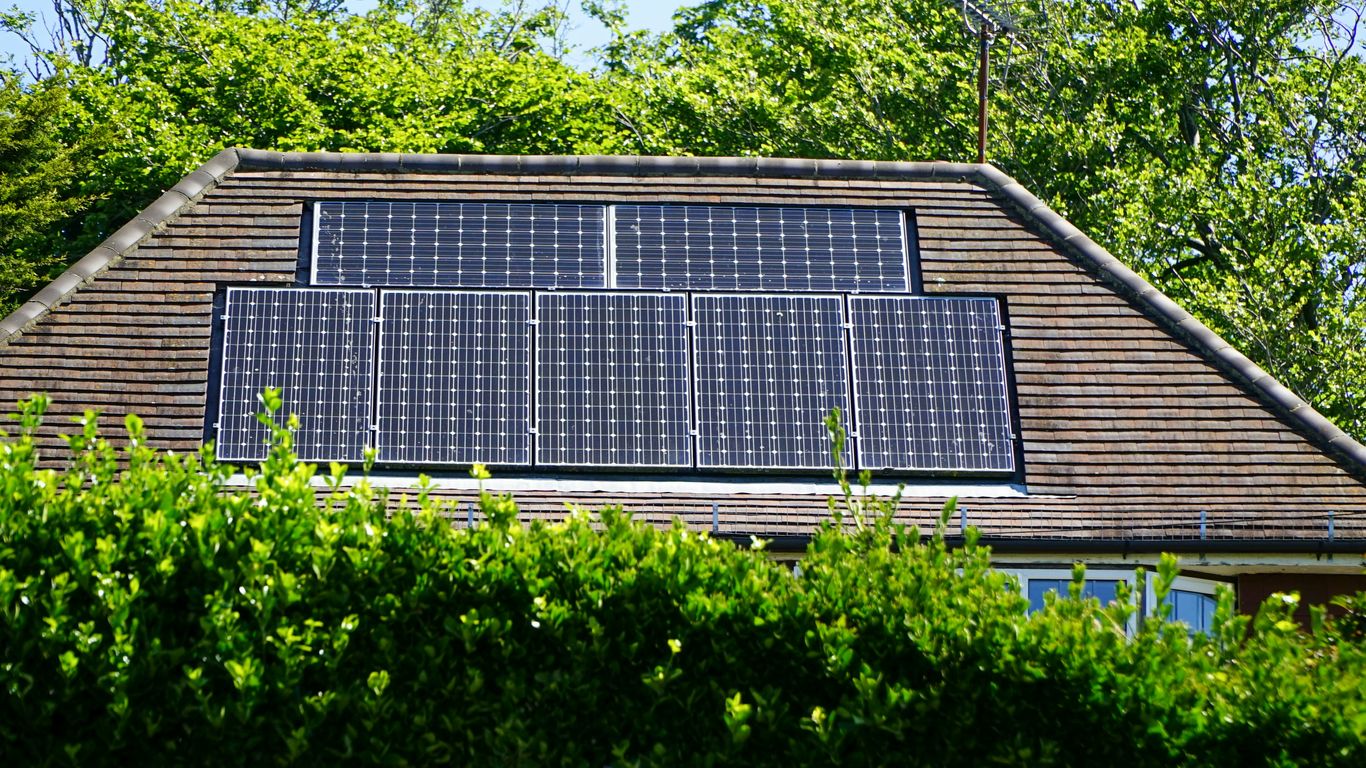
When you’re thinking about home improvements, the cost is usually a big part of the conversation. And that’s totally understandable. You want to know that your money is going towards something that actually makes a difference, not just another thing that sits there and does nothing. Solar attic fans, though, they really do pay for themselves over time, and in a few different ways.
Significant Cooling Cost Savings
This is the big one, right? Your air conditioner works overtime when your attic is basically a giant oven. All that heat trapped up there radiates down into your living space, making your AC struggle to keep up. A solar attic fan helps vent that super-hot air out, so your AC doesn’t have to work as hard. This means you’ll see a noticeable drop in your electricity bills during the summer months.
In Florida’s climate, that savings can be even greater. Our clients often see noticeable reductions in cooling costs within the first season of installation, making solar attic fans one of the smartest, most energy-efficient home upgrades available today. It’s like giving your AC a break and your wallet a breather at the same time. Plus, by reducing the strain on your air conditioning system, you might even extend its lifespan, saving you from costly repairs or early replacement down the road.
Eligibility For Tax Credits And Incentives
Here’s a nice bonus: depending on where you live and when you install it, you might be able to get a tax credit for putting in a solar attic fan. These fans are often considered part of a solar photovoltaic system, and there are federal tax credits available that let you deduct a percentage of the cost from your federal income taxes. It’s not a guarantee, and the rates can change, so it’s always a good idea to chat with a tax professional about your specific situation. But if you qualify, it can significantly bring down the initial investment. Sometimes, local energy programs might even have rebates available, so it’s worth doing a quick search for what’s offered in your area. It’s like getting paid a little bit to make your home more energy-efficient.
Long-Term Return On Investment
So, let’s talk about the payback period. You buy the fan, maybe a few hundred dollars, and it costs nothing to run because it uses free sunshine. If you’re saving, say, $100 a year on cooling costs, that fan could pay for itself in just a few summers. And the fan itself? They’re built tough, designed to withstand the elements for years, often with warranties of 10, 15, or even 20 years.
So, after it’s paid for itself, it just keeps saving you money, year after year. It’s not just about saving on electricity, either. Think about the potential costs you’re avoiding: preventing moisture damage to insulation, reducing the risk of mold, and protecting your roof from premature wear and tear. These are expenses that can run into the thousands of dollars, so a solar attic fan acts like a form of insurance for your home’s longevity. It’s a smart investment that protects your home and your budget.
The financial benefits of a solar attic fan extend beyond just immediate energy bill reductions. While the upfront cost is a consideration, the ongoing savings from reduced cooling needs and the potential for tax incentives make it an economically sound choice. Furthermore, by preventing heat-related damage to your roof and insulation, you’re proactively avoiding future, often substantial, repair expenses. This makes the solar attic fan a cost-effective solution for both comfort and home preservation.
Here’s a quick look at what you might expect:
- Upfront Cost: Typically ranges from $300 to $600+ for residential models, depending on size and features.
- Annual Savings: Can range from $20-$40 in cooler climates to $50-$100+ in hotter regions.
- Payback Period: Often achieved within 3-7 years, depending on energy savings and initial cost.
- Lifespan: Many fans are designed to last 15-20 years or more.
Considering these factors, a solar attic fan is more than just a gadget; it’s a strategic investment in your home’s efficiency and durability. It’s a way to keep your home cooler, reduce your energy consumption, and protect your property, all while using a clean, renewable energy source. For those looking to manage household expenses and improve their home’s resilience, it’s a worthwhile addition. If you’re looking for ways to keep pests like mosquitoes away from your home, consider other strategies like maintaining your yard or using fans to deter them, as discussed in this article. For humid climates, mosquito misting systems can also be a cost-effective solution over time.
Effortless Operation And Maintenance
One of the best parts about solar attic fans is how little attention they demand once they’re installed. You don’t need to worry about flipping switches or remembering to turn them on; they just work with the sun. This hands-off approach means you can focus on other things, knowing your attic is being ventilated automatically.
Automatic Operation With Sunlight
Solar attic fans are designed to be completely automatic. They harness the power of the sun directly, so they start spinning when there’s enough daylight and slow down or stop when it gets dark. It’s pretty neat how they sync up with the sun’s intensity. On a bright, sunny day, you’ll get maximum ventilation. If it’s partly cloudy, the fan will speed up and slow down as the sun peeks through or gets covered. This means the fan is working hardest when your attic is getting the hottest, which is exactly what you want. Some models even have built-in thermostats that can help regulate operation, but most rely solely on sunlight. This automatic nature means no added load on your home’s electrical system and no risk of forgetting to turn it off. It’s a set-it-and-forget-it kind of deal.
Quiet and Reliable Performance
Forget those noisy old attic fans that sounded like a small airplane taking off. Modern solar attic fans use high-quality, brushless motors. These are incredibly quiet and built to last. You’ll likely notice the difference in your home’s temperature more than you’ll hear the fan itself. They’re designed for continuous operation, day in and day out, without much fuss. The reliability comes from their simple design – fewer moving parts mean fewer things to break. Many come with warranties of 10 to 20 years, which really speaks to how long the manufacturers expect them to perform without issues. It’s a quiet helper for your home’s comfort.
Minimal Maintenance Requirements
When we say minimal maintenance, we really mean it. There are no filters to change, no belts to replace, and no oiling required for the motor. The solar panel itself is pretty robust. The main thing you might need to do is give the solar panel a quick wipe down if it gets covered in a lot of dust or pollen, just to keep it working at its best.
You might also want to check the vent openings on the fan housing occasionally to make sure leaves or debris haven’t clogged them up, especially after a windy autumn. If you live in a snowy area, just a quick glance to ensure a massive snowdrift hasn’t buried the fan for days on end. But honestly, that’s about it. These fans are built to withstand the elements and keep running. It’s a far cry from the upkeep some other home systems demand. You can almost forget it’s there, and it will keep doing its job, helping to reclaim your outdoor space by keeping your home cooler.
The simplicity of solar attic fans is a major selling point. Their design minimizes the need for user intervention, making them a practical choice for homeowners looking for effective ventilation without added hassle. This low-maintenance aspect contributes significantly to their long-term value and ease of ownership.
Protecting Your Home Structure
Preventing Ice Dams In Winter
When winter hits, your attic’s temperature becomes a big deal, not just for comfort but for structural integrity. If your attic gets too warm, it can melt snow that’s accumulated on your roof. This melted water then trickles down to the eaves, where it refreezes. Over time, this creates what’s known as an ice dam. These dams can force water back up under your shingles, leading to leaks that can damage your ceilings, walls, and insulation.
Solar attic fans help prevent ice dams by keeping the attic cool and dry. They work by venting out warm, moist air that would otherwise contribute to melting the snow on your roof. This keeps the snow layer more uniform and less likely to melt and refreeze at the edges. It’s a simple way to avoid costly water damage repairs.
Reducing Heat Stress On Roofing Materials
It’s not just about winter woes; attics get incredibly hot in the summer, and that heat takes a toll on your roof. Shingles, especially asphalt ones, can degrade faster when constantly exposed to high temperatures. Think of it like leaving a plastic toy out in the sun all day – it gets brittle and worn. A solar attic fan helps by continuously circulating air, significantly lowering the attic temperature. This reduction in heat stress can actually help your roofing materials last longer, potentially saving you from an expensive roof replacement sooner than you might expect. It’s about keeping your roof in better shape for longer.
Mitigating Moisture Damage To Insulation
Moisture is the enemy of insulation. In a poorly ventilated attic, warm, humid air from your living space can rise and condense on cooler surfaces, like the underside of your roof or your insulation. This dampness can lead to a host of problems. For starters, wet insulation loses its effectiveness, meaning your home won’t be as energy-efficient. Worse, prolonged moisture can encourage mold and mildew growth, which isn’t good for your health or the structure of your home. It can also lead to the deterioration of wooden roof trusses and sheathing.
Solar attic fans help by venting out that moist air, keeping your attic dry and your insulation working properly. This proactive approach protects your home’s core components from the slow, damaging effects of excess humidity, much like how a mosquito misting system can protect your yard from unwanted pests.
Installation Considerations For Solar Attic Fans
Putting in a solar attic fan is usually pretty straightforward, but like anything, a little planning goes a long way to make sure it works its best and doesn’t cause any headaches. It’s not just about slapping it on the roof; there are a few things to think about.
Ease of Installation Compared to Traditional Fans
One of the big pluses here is that solar attic fans don’t need any electrical wiring. This means no electrician is needed, which can save you a good chunk of change compared to a traditional electric attic fan. For most homeowners, especially those with a one-story house and asphalt shingles, it’s a manageable DIY project. You’re basically looking at cutting a hole (or using an existing vent) and securing the fan. It’s a much simpler setup overall.
Importance of Proper Fan Placement
Where you put the fan really matters. You want it up high on the roof, ideally near the peak or ridge. That’s where the hottest air likes to hang out, and you want the fan to pull that out. If your roof gets good sun, a south or west-facing side is usually best for the solar panel to catch those rays. Most fans are rated for a certain attic size, so check the specs to make sure you’re covered. For bigger attics or oddly shaped ones, you might need more than one fan, spaced out, to get the job done right. Too many fans can actually be a bad thing, though, so don’t go overboard.
Ensuring Adequate Intake Ventilation
This is super important and something people sometimes forget. An attic fan is part of a system, and it needs a way for air to get in as it pushes hot air out. If you don’t have enough intake vents (like soffit vents under the eaves), the fan might end up pulling conditioned air from your living space, which defeats the purpose and makes your AC work harder. It’s a good idea to check your existing intake vents or add more if needed. A well-sealed attic floor is also key here; it means the fan is only pulling out hot attic air, not your nice cool house air. This prep work really helps the fan do its job effectively.
Before you even think about cutting into your roof, take a good look at your attic floor. Sealing up any gaps or cracks there is a quick but really important step. It stops your solar fan from accidentally pulling cooled air from your home, which would just make your air conditioner run more. A tight attic floor means the fan is only doing what it’s supposed to: getting rid of that super-hot attic air.
Here are some things to consider when planning the installation:
- Roof Type: Asphalt shingles are generally the easiest to work with. Other materials might require special flashing or techniques.
- Attic Size: Larger attics might need multiple fans or a higher CFM (Cubic Feet per Minute) rated fan.
- Sun Exposure: The solar panel needs direct sunlight. Shady spots won’t cut it.
- Local Regulations: Always check if any local building codes or HOA rules apply to rooftop installations. While solar fans are usually exempt from energy use restrictions, it’s good to be sure.
If you’re not comfortable working on a roof or cutting holes, hiring a professional is a smart move. A properly installed fan is leak-free and works efficiently. For example, if you’re dealing with persistent humidity issues, you might want to look into eco-friendly pest control methods alongside ventilation improvements.
Eco-Friendly Home Improvement
Reducing Your Carbon Footprint
When you think about making your home more environmentally friendly, you might picture solar panels on the roof or a fancy composting system. But sometimes, the biggest impacts come from smaller, often overlooked upgrades. A solar attic fan is one of those things. At SWAT Mosquito Systems, sustainability is built into everything we do, from solar-powered attic fans to eco-friendly mosquito misting systems.
Using clean solar energy to ventilate your attic helps reduce strain on your HVAC system and supports a greener Florida. This means less demand on the power grid, which often relies on burning fossil fuels. It’s a simple way to lower your home’s overall carbon footprint without really changing your lifestyle.
Harnessing Free Solar Energy
This is the really cool part. Solar attic fans work by using a photovoltaic panel to capture sunlight and convert it into electricity. This electricity then powers a small motor that spins the fan, pushing hot air out of your attic. The best part? The energy is completely free, and the fan only runs when the sun is out and producing heat in your attic. You don’t need to wire it into your home’s electrical system, and there are no ongoing energy costs. It’s like having a tiny, silent helper powered by the sky, working to keep your house cooler. It’s a smart way to take advantage of a renewable resource that’s abundant every day.
Contributing To A Greener Environment
Beyond just saving energy, these fans contribute to a healthier planet in a few ways. By reducing your reliance on air conditioning, you’re using less electricity, which, as mentioned, often means fewer greenhouse gas emissions. Plus, by preventing heat buildup and moisture issues in your attic, you’re extending the life of your roof and other building materials. This means fewer resources are needed for repairs and replacements down the line.
It’s a win-win: good for your home, good for your wallet, and good for the environment. It’s a small step that adds up, helping to create more sustainable living spaces. If you’re looking for ways to make your home more eco-conscious, consider looking into natural misting systems for other areas of your property.
Making your home more eco-friendly is a great idea! Simple changes can make a big difference for the planet and your living space. Think about using natural cleaning supplies or improving your home’s insulation to save energy. These steps help create a healthier environment both inside and outside your house. Want to keep your home cooler and your outdoor spaces more enjoyable? Contact SWAT Mosquito Systems for a free consultation on solar attic fans and custom misting systems. Together, we’ll create a smarter, more comfortable home, inside and out. Call your local SWAT office or visit swatmosquitosystems.com to schedule today.
So, Should You Get a Solar Attic Fan?
Look, dealing with a hot attic and high energy bills is a drag. Solar attic fans seem like a pretty smart way to tackle both. They use free sunshine to push out that super hot air, which means your air conditioner doesn’t have to work quite so hard. This can save you some real money on your electricity bill, especially when it’s scorching outside. Plus, keeping your attic cooler helps protect your roof from getting baked and can even stop moisture problems before they start. It’s a simple upgrade that can make your home more comfortable and save you cash, all while being good for the planet. Seems like a win-win to me.