
So, you’ve got a rain barrel. Great for water conservation, great for your lawn, and unfortunately, very appealing to mosquitoes if it is not managed properly. But, uh oh, you might have noticed some tiny wigglers in there. Yep, mosquitoes love rain barrels because they’re full of standing water, perfect for their little ones. At SWAT Mosquito Systems, we see this issue all the time. The good news is that mosquito breeding in rain barrels is completely preventable when you know what to look for, focusing on natural lawn mosquito control. It’s not as hard as you might think, and you can keep your yard more pleasant.
Key Takeaways
- Mosquitoes only need a small amount of standing water to breed, which makes uncovered or poorly maintained rain barrels a common source of infestations. Keeping your barrel covered and maintained is key to natural lawn mosquito control.
- Natural methods like Bti dunks, essential oils, and vegetable oil can stop mosquito larvae from growing without harming your garden.
- Simple household items like dish soap can help suffocate larvae, but be cautious with bleach and avoid vinegar as it doesn’t work.
- Physical barriers such as tight-fitting lids and fine mesh screens are your first line of defense against mosquitoes entering the barrel.
- Regular cleaning, proper drainage, and emptying the barrel between rain events are vital maintenance steps for preventing mosquito breeding.
Understanding Mosquito Breeding Habits
Why Rain Barrels Attract Mosquitoes
So, you’ve got a rain barrel to help with your garden and maybe save a bit on your water bill. That’s great! But here’s the thing: mosquitoes love them too. Why? Because rain barrels are basically perfect little mosquito nurseries. They offer a calm, still body of water, which is exactly what mosquitoes need to lay their eggs and for those eggs to hatch. Female mosquitoes are on the hunt for these kinds of spots to ensure their offspring have a place to develop. It’s not just about convenience for them; it’s about survival. They’re looking for water that will stick around long enough for their young to grow.
The Mosquito Life Cycle in Standing Water
Mosquitoes go through a complete transformation, and the first few stages happen entirely in water. It starts with eggs, which can be laid in rafts or individually, sometimes even in areas that will flood later. Once hatched, you get larvae, often called “wrigglers” because of how they move. These little guys hang out near the surface to breathe. After a few molts, they become pupae, which are comma-shaped and tumble around just below the water’s surface. They don’t eat as pupae, but they’re getting ready for the big change.
Finally, the adult mosquito emerges from the pupal skin right at the water’s surface. In warm conditions, this entire cycle can happen in as little as seven days, which is why untreated water sources can quickly turn into a larger mosquito problem. This is why standing water is such a big deal when it comes to mosquito control.
Identifying Larvae and Pupae
Spotting mosquito larvae and pupae in your rain barrel is key to stopping them before they become flying pests. Larvae are small, dark, and wriggle vertically in the water, usually coming up for air. Pupae are a bit different; they look like tiny commas and tumble around just under the surface. They’re also looking for air. A simple way to check is to scoop water into a light-colored container, which makes larvae and pupae much easier to spot. The white background makes it much easier to see these little critters. Don’t wait until you see pupae, though.
Their presence means adults are imminent. If you notice water lingering in your barrel for more than a few days after a rain, it’s worth checking. You might be surprised what you find. Dealing with them early is much easier than trying to manage a swarm of adult mosquitoes. For more information on managing adult populations, you might look into fogger machines.
Natural Mosquito Larvae Control Methods
So, you’ve got a rain barrel, which is awesome for your garden, but uh oh, it’s also become a mosquito spa. Don’t worry, we’ve got some pretty simple, natural ways to deal with those tiny, buzzing freeloaders before they become a problem. The key is to disrupt their life cycle while they’re still in the water.
Bacillus thuringiensis israelensis (Bti) Dunks
Bti dunks are one of the most effective and environmentally responsible options for controlling mosquito larvae in rain barrels. Bti is a naturally occurring bacterium that specifically targets mosquito larvae, as well as fungus gnats and black flies. It doesn’t harm other insects, pets, or people. You just toss one dunk into your barrel, and it slowly releases the Bti over about 30 days. It’s super effective and really low-maintenance. You can find these at most garden stores, and they’re often sold under brand names like Mosquito Dunks. For a rain barrel, you’ll typically use one dunk per month, or as needed, especially after a big storm.
Essential Oils for Larval Control
Some folks like to get a bit more hands-on with natural remedies. Certain essential oils, like tea tree oil, neem oil, or cinnamon oil, have properties that can kill mosquito larvae. The idea is to add a small amount to the water. However, this method requires more frequent application than Bti dunks, maybe once a week or after heavy rain. You’ll want to be careful with the dosage, though; too much could potentially affect other beneficial organisms in the water or the water quality if you plan to use it for irrigation. Results can vary, which is why these methods are best viewed as supplemental rather than a primary mosquito control strategy.
Vegetable and Cooking Oils as Suffocants
This is a really straightforward method. If you notice mosquito larvae, or just want to be proactive, you can add a bit of vegetable or cooking oil to the water. About a quarter cup should do the trick for a standard rain barrel. The oil floats on the surface, creating a thin film. This film breaks the water’s surface tension, which is what the larvae need to breathe. Without it, they essentially suffocate. It’s a simple, cheap solution, but like the essential oils, you’ll need to reapply it regularly, perhaps weekly or after significant rainfall, to keep that protective layer intact. Just remember to use eco-friendly oils if you plan on using the collected water for your plants.
Household Solutions for Mosquito Prevention
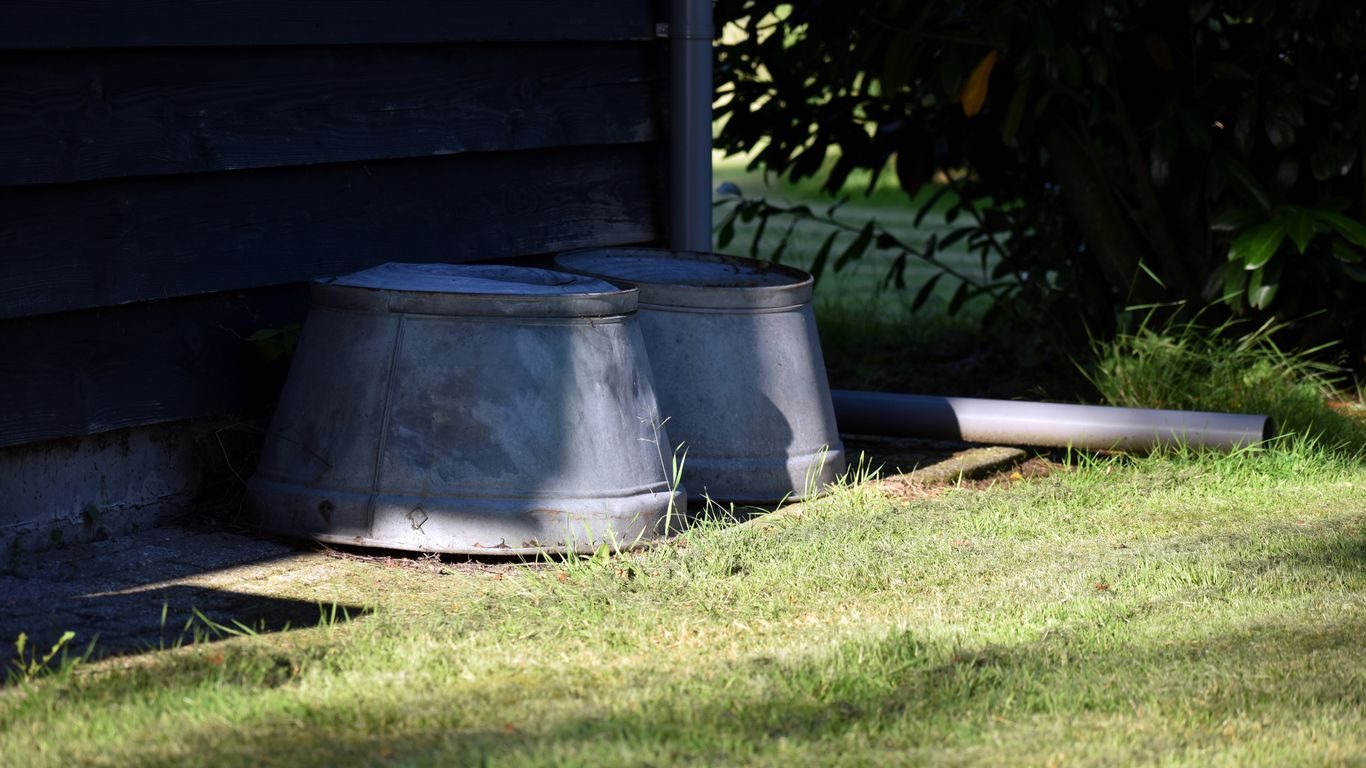
So, your rain barrel is collecting water, which is great! But, as we’ve talked about, it can also become a little hotel for mosquito larvae. While nature has its own ways, sometimes we need to give it a nudge. Luckily, there are a few common household items that can help keep those pesky biters from taking over your collected water.
The Role of Dish Soap
This one’s pretty simple and surprisingly effective. A little bit of dish soap can break the surface tension of the water. Why does that matter? Well, mosquito larvae need to come up to the surface to breathe. When the surface tension is broken, they can’t get that air, and they essentially drown. You don’t need much – about a tablespoon a week, or after a good rain, should do the trick. If you’re using your rain barrel water for your garden, opt for an eco-friendly dish soap to avoid any issues with your plants. This can be an effective short-term solution, but it requires consistent reapplication to remain effective.
Using Bleach Sparingly
Bleach can kill mosquito larvae, no doubt about it. However, it’s not exactly the best choice for a rain barrel, especially if you plan on using that water for your plants. Bleach can be harsh and might harm beneficial organisms in the water or even damage your plants. If you absolutely have to use it, and only in a pinch, use a very small amount and make sure to rinse the barrel thoroughly before using the water. It’s generally better to stick to other methods if you can.
Why Vinegar Isn’t Effective
You might be wondering about vinegar. It’s a great cleaner for many things, but when it comes to killing mosquito larvae in standing water, it just doesn’t cut it. Studies and common practice show that vinegar isn’t an effective larvicide. So, while you might have a bottle handy, save it for your salad dressing or cleaning tasks – it won’t help much with mosquito control in your rain barrel.
Physical Barriers for Mosquito Prevention
Okay, so you’ve got your rain barrel set up, which is awesome for your garden and the environment. But, as we’ve talked about, those little mosquitoes can turn your water collector into a nursery. The good news is, you can build some pretty solid defenses to keep them out. It’s all about making sure they can’t get in, plain and simple.
Ensuring a Tight-Fitting Lid
This is probably the most basic, yet most important, step. Think of it like putting a lid on a jar – you don’t want anything getting in or out that shouldn’t be. A lid that fits snugly stops mosquitoes from even getting a whiff of the water inside. If your barrel came with a lid, make sure it’s secure. Sometimes, decorative tops or modified lids can actually create little pools of water on top, which is exactly what mosquitoes are looking for. If that’s the case, you might need to fill those little dips with sand or just make sure to empty any collected water right after it rains. A secure lid is your first line of defense.
The Importance of Fine Mesh Screens
Even with a good lid, you’ve got openings for water to come in and out. This is where screens come in. We’re not talking about the big, clunky screens you might see on some older windows. You need fine mesh screens. We’re talking about window screen material, or even better, a double layer of it. This stuff is designed to let water through but keep tiny bugs out. You’ll want to cover all the openings – where the water comes in from your downspout, and especially the overflow port. It’s like giving your rain barrel a fine-tooth comb to keep the unwanted guests out. You can find this material at most hardware stores.
Securing Overflow Ports
Your rain barrel has an overflow port to prevent it from getting too full. That’s a good thing, but it’s also a potential entry point for mosquitoes. If water is constantly trickling out, it can create a damp area, and if the port itself is large enough, mosquitoes can fly right in. The best way to handle this is to cover the overflow port with that same fine mesh screen you’re using elsewhere.
Some people even attach a length of hose to the overflow, which can help discourage mosquitoes from crawling back up. Just make sure that hose is long enough and that the opening is still screened. It’s a bit of a balancing act, but keeping that overflow secure is key to preventing a mosquito party in your barrel. If you’re looking for ways to manage water flow around your home, you might find information on attic fans and whole-house fans interesting, though that’s a different kind of airflow management.
Rain Barrel Maintenance for Natural Lawn Mosquito Control
Okay, so you’ve got your rain barrel set up, which is awesome for your garden and the environment. But, let’s be real, nobody wants it turning into a mosquito nursery. Keeping it clean and maintained is key to stopping those little buzzers before they even get a chance to hatch. It’s not super complicated, just requires a bit of regular attention.
Regular Cleaning and Scrubbing
Think of cleaning your rain barrel like giving your garden tools a good wipe-down. You want to get rid of any gunk that might be hanging around. Algae can grow on the sides, and leaves or other debris can settle at the bottom. A good scrub with a brush and some soapy water can make a big difference. It removes food sources for larvae and makes the barrel less appealing for mosquitoes looking for a place to lay eggs. You don’t need anything fancy, just a bit of elbow grease. If you’re worried about algae, a very dilute bleach solution can help, but make sure to rinse it out well afterward, especially if you plan to use the water for your plants.
Promoting Proper Drainage
This is a big one. Mosquitoes need standing water, and a rain barrel, by its nature, holds water. That’s why making sure it drains properly is so important. If your barrel has an overflow port, make sure it’s not blocked. Sometimes, just having a hose attached to the overflow, long enough to direct water away from the foundation, is enough. The goal is to prevent water from just sitting there indefinitely. If your barrel has a spigot near the bottom, remember that it won’t drain every last drop. That little bit of water left behind can still be a problem, so you might need to manually empty it or use a method to treat that residual water.
Draining Between Rain Events
This might sound a bit counterintuitive since the whole point is to collect water, but hear me out. If you’re not using the water quickly, letting it sit for too long is asking for trouble. Draining your rain barrel completely between rain events, or at least every few days, is one of the most effective ways to stop the mosquito life cycle. It removes any eggs or larvae that might have gotten in. If you’re collecting water for irrigation, try to use it up within five days. This practice not only helps with mosquito control but also ensures you have space to capture more rainwater the next time it pours. It’s a simple step that really pays off in keeping your yard mosquito-free. You can find more tips on keeping your rain barrel sealed to prevent mosquitoes.
The key is to disrupt the mosquito’s breeding cycle. By regularly emptying, cleaning, and ensuring proper drainage, you deny them the stagnant water they need to reproduce. It’s about consistent, simple actions rather than one-time fixes.
Advanced Rain Barrel Modifications
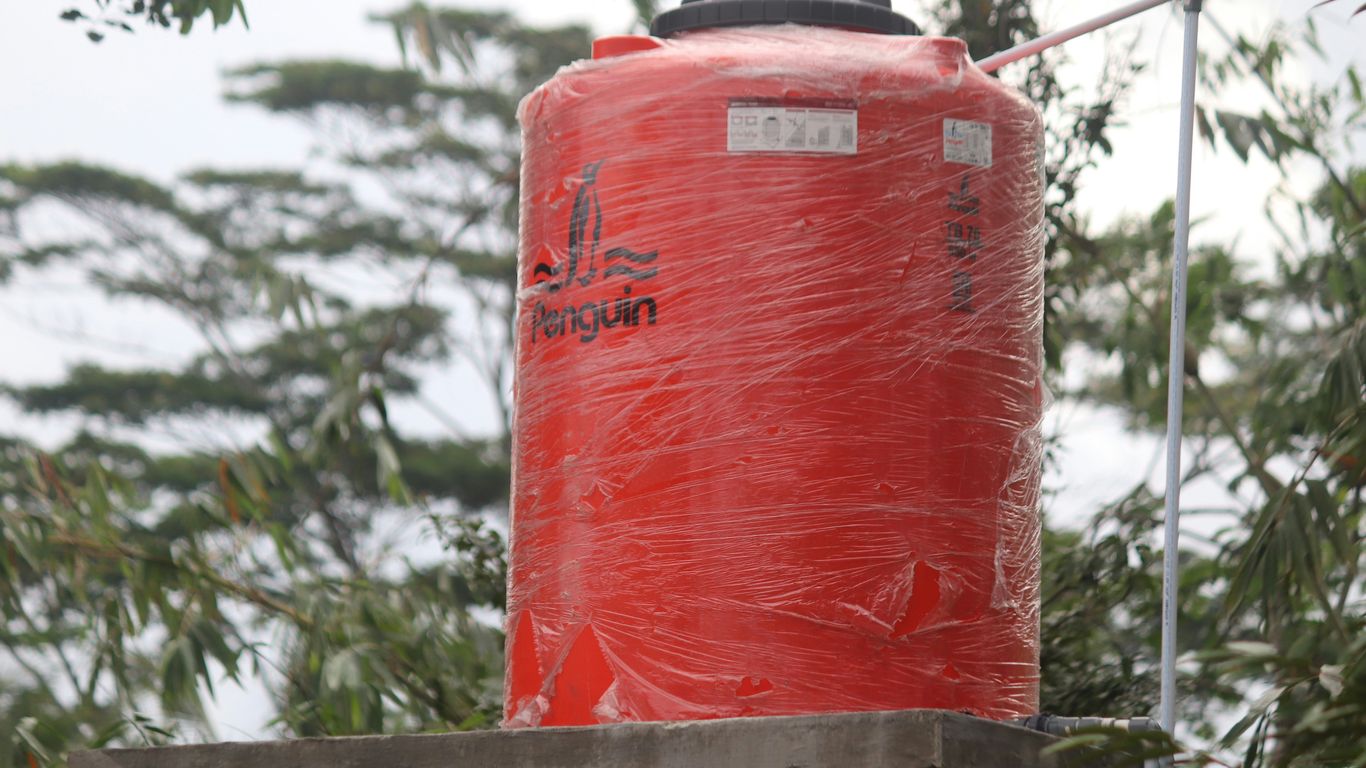
So, you’ve got your rain barrel set up, and you’re doing your part for water conservation. That’s awesome! But sometimes, even with the basics covered, those pesky mosquitoes find a way in. Don’t worry, there are a few extra tricks you can use to really seal the deal and make your rain barrel a mosquito-free zone. It’s all about thinking like a mosquito and blocking their access points.
Creating an Air Gap for Intake
This is a big one. Mosquitoes need to get to the surface of the water to breathe, right? So, if your downspout just dumps water straight into the barrel, they can easily access it. The fix? Make sure there’s an air gap between where the water enters and the water level. This means the water has to fall a bit before it hits the collected water. Always keep the intake opening covered with a tightly sealed screen. A double layer of fine mesh window screen is your best bet here. This setup prevents mosquitoes from flying in through the downspout and laying eggs. It’s a simple change that makes a huge difference in preventing them from getting a foothold.
Modifying Decorative Tops
Some rain barrels look really nice, with fancy tops or designs. While they might be pretty, these can sometimes create little puddles or collection spots where water sits. Think about those little dips or rims on decorative tops – they can hold just enough water for mosquitoes to breed. If your barrel has these, you’ve got a couple of options. You can try filling any depressions with sand so water doesn’t pool. Or, if it’s a design that collects water right after a rain, make sure to empty it out quickly. The goal is to eliminate any small, unintended water sources on the barrel itself. You want a smooth top that doesn’t hold water, making it less inviting for egg-laying.
Screening the Overflow Valve
Your rain barrel has an overflow port to prevent it from getting too full. This is super important, but it’s also another potential entry point for mosquitoes. You need to screen this overflow valve just like you screened the intake. A common recommendation is to use two layers of fine mesh screen over the opening. This allows excess water to escape but keeps the flying insects out.
Some people also attach a garden hose to the overflow and make sure it’s long enough to direct water away from the barrel and onto a pervious surface. This setup can help prevent mosquitoes from traveling back up the hose into the barrel. Remember, keeping water from pooling above the main screen is key, and screening the overflow is a vital part of that. If you’re looking for more tips on setting up water conservation systems, check out this guide on compost and rain barrels.
It’s easy to think that once the water is collected, the job is done. But mosquitoes are persistent. They’re looking for any little bit of standing water. By adding these extra layers of protection, like screening the overflow and ensuring an air gap, you’re making your rain barrel much less hospitable to them. It’s about being thorough and not giving them any easy access points.
When to Seek Professional Help
Recognizing Limitations of DIY Methods
Look, we all love a good DIY project, right? It feels great to fix something yourself. But sometimes, you hit a wall. If you’ve tried all the tricks – the Bti dunks, the oils, making sure your lid is on tight – and you’re still seeing those little wigglers in your rain barrel, it might be time to call in the cavalry. It’s not a sign of failure; it just means the problem is a bit more stubborn than usual. Maybe the mosquitoes are finding a way in through a tiny crack you can’t see, or perhaps the population is just too big to manage with home remedies alone. Don’t let a persistent mosquito problem get you down or, worse, pose a health risk.
Consulting Mosquito Control Agencies
If your DIY efforts just aren’t cutting it, or if you’re concerned about mosquito-borne illnesses in your area, reaching out to your local mosquito control agency is a smart move. These folks are the real pros. They have the tools and knowledge to identify the source of the problem and implement more robust solutions. They can often provide specific advice for your situation or even conduct inspections. It’s their job to help keep communities safe from mosquitoes, so don’t hesitate to use their resources. You can usually find contact information on your county or state government’s website. They’re there to help, and sometimes, that’s exactly what you need.
Here’s a quick rundown of when to consider professional help:
- You’ve consistently maintained your rain barrel, but larvae keep reappearing.
- You’re noticing a significant increase in mosquitoes around your property, not just in the barrel.
- There are known mosquito-borne diseases in your region, and you want to be extra cautious.
- You’re uncomfortable or unable to perform the necessary maintenance yourself.
Sometimes, despite our best efforts, a problem can become too big to handle on our own. Recognizing when to ask for help isn’t a weakness; it’s a practical approach to solving a persistent issue. Professional agencies have resources and expertise that go beyond typical home solutions, offering a more effective path forward when DIY methods fall short.
If mosquitoes are showing up despite your best efforts, SWAT Mosquito Systems can help identify hidden breeding sources and implement a targeted control plan. Our team focuses on long-term mosquito reduction, not temporary fixes, so you can enjoy your yard again with confidence.
Wrapping It Up
So, we’ve talked about how mosquitoes love rain barrels for their egg-laying needs. It’s pretty clear that just having a rain barrel isn’t enough; you’ve got to keep an eye on it. Whether you’re using those handy mosquito dunks with BTI, a bit of dish soap, or even vegetable oil to suffocate the little wrigglers, the main idea is to stop them before they become flying pests. Remember, a little bit of regular checking and maintenance goes a long way in making sure your rain barrel is just for water, not for mosquitoes. Keep those lids tight and screens clean, and you’ll be good to go.