Mosquitoes don’t just disrupt outdoor fun, they actively drive families, guests, and customers indoors. At SWAT Mosquito Systems, we see firsthand how quickly mosquito activity can turn patios, backyards, and outdoor venues into unusable spaces. It’s no surprise people look for quick fixes, and a mosquito fogger machine often comes to mind. But how well do these machines actually work to keep those pesky bugs away? Let’s break down what a mosquito fogger machine can and can’t do. If mosquitoes are limiting how you use your outdoor space, schedule a professional assessment with SWAT Mosquito Systems today.

Key Takeaways

  • Fogger machines are designed to deliver short-term knockdown of adult mosquito populations. While they can reduce visible mosquito activity quickly, they are best understood as a temporary intervention, not a comprehensive control solution.
  • The effects of fogging are temporary; the fog dissipates quickly and doesn’t usually kill mosquito larvae or eggs, meaning more mosquitoes will hatch later.
  • Fogger effectiveness depends on factors like wind, the type of insecticide used, and where mosquitoes hide.
  • Using a mosquito fogger machine requires safety steps, like wearing protective gear and keeping people and pets away during and right after fogging.
  • For longer-lasting mosquito control, combining fogging with other methods like removing standing water or professional treatments is often more effective than relying on a fogger alone.

Learn how professional mosquito control goes beyond surface-level treatments.

Understanding Mosquito Fogger Machine Effectiveness

So, do those fogger machines actually work against mosquitoes? The short answer is yes, they can be quite effective, but it’s not a magic bullet. Think of it more like a targeted strike rather than a permanent solution. These machines are designed to release a fine mist of insecticide, and when used correctly, they can significantly knock down the adult mosquito population in a specific area. While fogging can deliver fast, noticeable relief, mosquito pressure often returns within days. That’s because foggers do not address breeding zones, larvae, or environmental attractants, key elements SWAT Mosquito Systems targets in professional programs.

Immediate Impact On Mosquito Populations

When you fire up a fogger, especially in the evening when mosquitoes are most active, you’re essentially creating a cloud of insecticide. This cloud drifts through the air and settles on surfaces, killing adult mosquitoes that come into contact with it. It’s particularly good at getting into those nooks and crannies where mosquitoes like to hide during the day, like under decks, in dense foliage, or in overgrown areas. This direct contact is what makes the initial reduction so noticeable.

Temporary Nature Of Fogging Solutions

Here’s the catch: Fogging focuses exclusively on adult mosquitoes, leaving larvae and eggs untouched. Without interrupting the breeding cycle, fogging alone often leads to repeated infestations, especially in warm, humid climates. It doesn’t do much for the larvae or eggs that are still in standing water. Plus, the insecticide residue on surfaces breaks down over time, especially with sun and rain. This means the protection is temporary. You might clear out the mosquitoes for a few days or maybe a week, depending on the insecticide used and environmental factors, but new mosquitoes will eventually hatch and fly into the area. It’s a bit like sweeping the floor – it looks great right after, but you have to do it again eventually. Schedule a mosquito lifecycle evaluation with SWAT Mosquito Systems.

Factors Influencing Fogger Efficacy

Several things can affect how well your fogger works. The weather is a big one. If it’s too windy, the fog just blows away, and the insecticide doesn’t get distributed properly. Rain can wash away the residue. The type of insecticide you use matters too; some are more potent or last longer than others. And, of course, the species of mosquito and their breeding habits play a role. If you have a lot of standing water nearby, new mosquitoes will keep showing up. It’s also important to consider the droplet size, as scientific research has determined optimal droplet sizes for effective insecticide distribution.

While foggers offer a quick way to reduce adult mosquito numbers, they are most effective when used as part of a broader mosquito control strategy. Relying solely on fogging without addressing breeding sites or using other methods might not provide long-term relief.

It’s also worth noting that some methods, like ultrasonic repellents, have shown little to no effectiveness in scientific studies, unlike foggers which, when applied correctly, do have a direct impact on adult mosquitoes. Ultrasonic devices are generally not considered a reliable solution for mosquito control.

How A Mosquito Fogging Machine Operates

So, how exactly does one of these mosquito fogger machines work its magic? It’s not just about spraying some stuff around; there’s a bit of science and engineering involved to get that fine mist out there.

The Science Behind Fog Dispersion

At its heart, a mosquito fogger is designed to turn a liquid insecticide into a very fine mist or “fog.” This fine mist is key because it allows the insecticide to hang in the air for a while and drift into places where adult mosquitoes like to hide. Think dense bushes, under decks, or in shady, damp spots. The idea is to get the insecticide to contact as many adult mosquitoes as possible when they’re active. The droplets are so small that they can get into nooks and crannies that a regular spray might miss.

Thermal Versus Cold Fogging Technology

There are two main ways these machines create that fog: thermal and cold fogging. Thermal foggers heat up the insecticide solution, often using a small engine. This heat vaporizes the liquid, and as it mixes with cooler outside air, it condenses into a very fine fog. It’s kind of like how steam from a hot shower creates a mist. Cold foggers, on the other hand, use a high-pressure air stream or a spinning disc to break the liquid into tiny droplets without heating it. Both methods aim for that super-fine particle size, but thermal foggers tend to produce a denser, more visible fog.

Common Insecticides Used In Foggers

What’s actually in that fog? Usually, it’s a pyrethroid-based insecticide. These are synthetic versions of natural bug-killing compounds found in chrysanthemum flowers. They work by attacking the nervous system of insects. Some common active ingredients you might see are permethrin, deltamethrin, or bifenthrin. These are chosen because they can be effective against adult mosquitoes at low concentrations and break down relatively quickly in the environment, which is good for minimizing long-term impact. It’s really important to use products specifically labeled for fogging machines and to follow the dilution instructions precisely. Using the wrong mix or an inappropriate chemical can be ineffective or even dangerous.

The effectiveness of any fogging operation really depends on getting that insecticide to the mosquitoes. This means understanding where they rest during the day and applying the fog in a way that it can reach those spots without being blown away too quickly by wind.

Strategic Application Of Mosquito Fogger Machines

When you’re dealing with a mosquito problem, just having a fogger isn’t enough. You’ve got to use it smart. Think of it like this: you wouldn’t just blast a weed killer everywhere, right? You’d aim for the weeds. Same idea with mosquitoes. The goal here is to get those adult mosquitoes when and where they’re most active, and to do it in a way that actually works.

Targeting Outdoor Mosquito Habitats

Mosquitoes love to hang out in specific spots outdoors, especially where it’s damp or shady. Your fogger is best used to hit these areas. We’re talking about dense bushes, tall grass, areas under decks, or anywhere water might be collecting. These are the places where adult mosquitoes rest during the day and where they breed. Hitting these spots directly is key to reducing the overall mosquito population around your home. It’s not about fogging your entire yard randomly; it’s about precision.

Achieving Localized Mosquito Reduction

Fogging machines are great for creating a temporary zone of relief. By carefully applying the fog, you can significantly cut down the number of adult mosquitoes in a specific area, like your patio or backyard. This doesn’t mean mosquitoes won’t come back, but for a while, you can actually enjoy being outside without constantly swatting. It’s about making your immediate outdoor space more livable.

Here’s a quick look at where mosquitoes like to hide:

  • Vegetation: Tall grass, shrubs, and dense foliage.
  • Damp Areas: Under decks, porches, and in shaded, moist spots.
  • Water Sources: Around standing water, though fogging won’t kill larvae in the water itself.
  • Overgrown Areas: Unkempt parts of your yard.

Navigating Wind Conditions During Fogging

This is a big one. If it’s windy, your fog is just going to blow away, wasting insecticide and not really killing mosquitoes effectively. You want the fog to hang in the air and settle on surfaces where mosquitoes are. So, what’s the plan?

  • Check the forecast: Try to fog on a calm day, usually early morning or late evening when winds are typically lower.
  • Observe the breeze: Even on a calm day, there might be a slight breeze. Pay attention to the direction and strength.
  • Adjust your path: If there’s a light breeze, you might need to walk a bit faster or adjust your fogging pattern to ensure the fog drifts into the target areas.

Trying to fog when it’s windy is like trying to paint a wall during a hurricane. The paint just ends up everywhere but where you want it, and it’s a mess. For fogging, it means the insecticide doesn’t land where it needs to, and you’re not getting the results you hoped for. Patience and timing are really important here.

Remember, the goal is to get the insecticide to coat the surfaces where mosquitoes rest. If the wind is too strong, it’s best to wait. You’ll get better results and use your product more efficiently.

Safety Protocols For Mosquito Fogger Machine Use

Alright, let’s talk about using these mosquito fogger machines safely. It’s not just about getting rid of the bugs; it’s about making sure you and anyone around you stays safe while you’re doing it. Think of it like any tool – use it right, and it’s helpful. Use it wrong, and well, you can run into trouble.

Essential Personal Protective Equipment

Before you even think about firing up the machine, you need to gear up. This isn’t optional. You’ll want to wear long sleeves, long pants, gloves, eye protection like goggles, and a respirator or mask. This gear is your first line of defense against direct contact with the insecticide and helps prevent breathing in any fumes. It might feel a bit much, but it’s better to be safe than sorry, especially when dealing with chemicals. It’s all about minimizing your exposure.

Preparing The Fogging Machine And Area

Once you’re suited up, it’s time to get the machine ready. Make sure you’ve got the right insecticide mixed according to the manufacturer’s instructions – don’t just guess. Fill up the tank, but don’t overdo it. If it’s a gas-powered model, use the correct fuel. Then, you need to clear the area. Keep people, especially kids, and pets away from where you’ll be fogging. You want to make sure the fog only goes where it’s intended. It’s also a good idea to check out information on pesticidal devices to understand what you’re working with [b105].

Adhering To Post-Fogging Safety Guidelines

After you’ve finished fogging, don’t just pack everything up and go inside. Let the fog naturally dissipate. The insecticide label will tell you how long you and others need to stay out of the treated area. This is super important for your health. Also, make sure to clean your machine thoroughly after each use. This keeps it working well and prevents any leftover chemicals from causing issues later. It’s a simple step that makes a big difference for future use and safety.

When you’re using a fogger, remember that timing is key. Try to fog during the early morning or late evening when mosquitoes are most active and winds are typically calmer. Avoid windy days altogether, as the wind can blow the fog away from where you need it, making it less effective and potentially spreading it into unintended areas.

Protect your family and outdoor environment with professional mosquito control.

Maximizing The Benefits Of A Mosquito Fogging Machine

So, you’ve got a mosquito fogger, and you’re wondering how to get the most out of it. It’s not just about pulling the trigger; there’s a bit more to it if you want to really make a difference. These machines can be super handy, but like any tool, you need to know how to use them right.

Convenience and Ease of Operation

One of the big draws of a fogger is how simple they can be to use. Once you’ve got it set up, you can cover a decent area pretty quickly. It’s a lot faster than trying to spray every single bush and corner by hand. Most modern machines are designed to be pretty straightforward. You fill it up, turn it on, and walk your perimeter. It’s definitely a step up if you’re tired of battling mosquitoes manually.

Cost-Effectiveness For Pest Control

When you look at the long run, foggers can actually save you money. Think about it: hiring professional pest control services can add up fast. Buying your own fogger and the insecticide means you’re in control of the cost. You can fog whenever you notice the mosquitoes getting bad, rather than waiting for a scheduled service. Of course, you have to buy the machine and the chemicals, but for frequent use, it often makes more sense financially.

Here’s a rough idea of what you might spend:

Item Estimated Cost Range Notes
Mosquito Fogger Machine $100 – $500+ Varies by type (thermal, electric, etc.)
Insecticide $20 – $50 per quart Covers multiple applications
Personal Protective Gear $30 – $75 Gloves, mask, eye protection

Environmental Considerations Of Fogging

Now, this is where you have to be smart. Fogging does involve chemicals, so you want to be mindful of the environment. The key is to use the right stuff and apply it correctly. Look for insecticides that are approved for mosquito control and have a good track record. Also, timing is everything. Fogging when it’s calm and not too windy means the insecticide stays where you want it, on the mosquitoes, and doesn’t drift off into areas where it’s not needed.

  • Choose EPA-approved insecticides.
  • Apply during low-wind conditions.
  • Target only necessary areas.

It’s easy to think of fogging as a magic bullet, but it’s really just one part of keeping mosquitoes in check. You still need to get rid of standing water where they breed and maybe even look at other control methods. Using the fogger effectively means understanding its limits and using it as part of a bigger plan.

Limitations Of Mosquito Fogger Machines

While fogger machines can seem like a quick fix for mosquito problems, it’s important to know they aren’t a magic bullet. They have some pretty significant drawbacks that mean they’re usually just part of a bigger plan, not the whole plan.

Inability To Target Larvae And Eggs

One of the biggest issues with foggers is that they primarily target adult mosquitoes. Think of it like this: you’re swatting at flies buzzing around your kitchen, but you’re not dealing with the maggots in the trash can. Foggers don’t really get to the mosquito eggs or the larvae in standing water. This means that even if you fog your yard and kill all the adult mosquitoes you see, the next generation is already waiting to hatch. It’s a bit like playing whack-a-mole; you get some, but more keep popping up.

Short Residual Effect Compared To Sprays

Fogging disperses insecticide into the air, and that fog doesn’t hang around for long. Especially if there’s a breeze or it rains, the insecticide quickly breaks down or gets blown away. So, while you might get immediate relief, it’s usually very temporary. Professional mosquito spray treatments, on the other hand, often bond to surfaces like plants and walls. This gives you a much longer-lasting protection, sometimes for weeks, even in tricky spots. It’s a big difference when you’re trying to enjoy your backyard without constant buzzing.

Potential Risks Without Integrated Management

Using a fogger without a broader strategy, often called Integrated Pest Management (IPM), can be problematic. If you’re just fogging and not also trying to get rid of standing water where mosquitoes breed, you’re missing a huge piece of the puzzle. It’s like trying to bail out a leaky boat without plugging the hole. Plus, if you’re using over-the-counter foggers, there’s a risk of misapplication. You might accidentally harm beneficial insects, like bees, or even pose a risk to pets or people if not used exactly as directed. Professionals usually have specific formulations and know how to apply them safely, often as part of a larger mosquito control plan.

Here’s a quick rundown of why foggers alone aren’t the complete answer:

  • Doesn’t stop the next generation: Larvae and eggs are left untouched.
  • Temporary relief: The fog dissipates quickly, especially outdoors.
  • Requires a bigger plan: Best used alongside other methods like eliminating breeding sites.
  • Potential for misuse: Can harm non-target insects or pose risks if not applied correctly.

Relying solely on fogging machines for mosquito control is often a short-term fix. They’re great for knocking down adult populations quickly, but they don’t address the root of the problem – the breeding cycle. Without tackling larvae and eggs, and without considering the lingering effects of insecticides, you’ll likely find yourself fogging again and again without truly solving the issue. It’s about working smarter, not just harder, when it comes to keeping those pesky mosquitoes at bay.

Post-Fogging Procedures And Maintenance

So, you’ve finished fogging, and the mist is starting to clear. What’s next? It’s not quite time to relax just yet. There are a few important steps to take after the fogger has done its job to make sure everything is safe and the machine stays in good working order. Think of it like cleaning up after a big project – you want to do it right. Talk to SWAT about mosquito behavior-driven solutions.

Allowing For Natural Fog Dissipation

First things first, let that fog do its thing and naturally break down. You don’t need to rush anyone back into the area. The insecticide needs time to settle and for the air to clear properly. The manufacturer’s instructions are your best friend here, as they’ll give you a specific timeframe for when it’s safe for people and pets to re-enter the treated space. This usually depends on the type of insecticide used and the conditions, like wind and humidity.

Understanding Re-entry Timelines

This ties right into letting the fog dissipate. Different insecticides have different waiting periods. Some might be as short as 30 minutes, while others could require a few hours. It’s really about letting the active ingredients do their job and then allowing the air to become safe again. Always check the product label for the exact re-entry time. It’s better to be a little cautious and wait a bit longer than to risk any exposure.

Routine Cleaning For Optimal Performance

Now, let’s talk about the machine itself. After you’ve finished fogging, cleaning the machine is super important. If you just pack it away, leftover insecticide can dry up and clog the parts, especially the nozzle. This means your fogger might not work as well next time, or it could even stop working altogether. A good cleaning routine keeps it running smoothly.

Here’s a basic rundown of what to do:

  • Flush the system: Run clean water or a recommended cleaning solution through the machine to clear out any remaining insecticide.
  • Clean the tank: Make sure the insecticide tank is thoroughly rinsed out.
  • Wipe down the exterior: Give the outside of the machine a good wipe to remove any drips or residue.
  • Check the nozzle: Make sure the nozzle is clear and free of any blockages.

Proper maintenance isn’t just about keeping your equipment in good shape; it’s also about safety. A well-maintained fogger is less likely to malfunction, which can prevent accidents and ensure the insecticide is applied correctly.

Keeping up with these post-fogging steps will help you get the most out of your mosquito fogger machine and keep your outdoor spaces more comfortable.

When To Seek Professional Mosquito Control

Look, sometimes you just have to admit defeat. You’ve tried the DIY fogger, maybe even a few different brands, and the mosquitoes are still having a party in your backyard. It happens. If you’re finding that your efforts aren’t cutting it, or if you’re just tired of the constant buzzing and biting, it might be time to call in the pros. Discover how SWAT treatments perform even when weather changes.

Evaluating The Need For Expert Intervention

So, how do you know if it’s time to hand over the reins? Here are a few signs that professional help is probably a good idea:

  • Persistent Mosquito Problems: Despite regular fogging, you’re still getting swarmed every time you step outside. This could mean the fogger isn’t strong enough, you’re missing key breeding areas, or the mosquito species in your area are particularly resilient.
  • Concerns About Effectiveness: You’re not seeing a noticeable reduction in mosquito numbers, even right after fogging. The fog might be dissipating too quickly, or the insecticide isn’t doing the job.
  • Health Worries: If you’re concerned about mosquito-borne illnesses like West Nile virus, or if you have family members who are particularly sensitive to bites or insecticides, professional application offers a more targeted and often more effective approach.
  • Time and Effort Constraints: Let’s be honest, fogging takes time and effort. If you’d rather spend your weekends relaxing than wrestling with a fogger and worrying about wind conditions, professionals can save you a lot of hassle.

Relying solely on foggers can feel like a quick fix, but it often doesn’t address the root of the problem. Professionals bring a strategic approach that looks at the whole picture, not just the adult mosquitoes you see flying around.

Choosing The Right Mosquito Fogging Machine

While you might be tempted to stick with your current fogger, professionals use specialized equipment. These machines are often more powerful and designed for more precise application. They can handle larger areas more effectively and often use formulations that have a longer-lasting effect than what’s available over the counter. They also know how to calibrate their machines for optimal dispersion, taking into account factors like temperature and humidity, which you might not even think about.

Understanding Professional Application Strategies

Professionals don’t just blast insecticide everywhere. They have a plan. This usually involves:

  1. Site Assessment: They’ll check your property for standing water and other mosquito breeding grounds. This is a big one – eliminating larvae and eggs is key to long-term control.
  2. Targeted Treatments: They know where mosquitoes like to hang out – shady areas, dense foliage, under decks. They’ll focus their efforts there.
  3. Integrated Pest Management (IPM): Most reputable companies use IPM, which combines different methods. This might include larvicides, habitat modification, and carefully timed applications of adulticides (like fogging or spraying) to minimize environmental impact while maximizing effectiveness.
  4. Residual Treatments: Unlike fogging, which is often a contact kill, professional sprays can leave a residue on surfaces that continues to kill mosquitoes for weeks. This provides much longer-lasting protection.

If your backyard is still a mosquito buffet despite your best fogging efforts, it’s probably time to get a quote from a professional mosquito control service. They have the tools, the knowledge, and the strategies to actually get the job done right.

If mosquitoes are making your backyard unusable, it might be time to call in the experts. Don’t let buzzing pests ruin your outdoor fun any longer. Visit our website today to learn how we can help you reclaim your yard!

So, Do Foggers Actually Work?

Alright, so we’ve talked about how fogger machines can zap adult mosquitoes pretty quickly. They’re good for getting rid of the buzzers you see right now, especially in outdoor spots. Think of it like a quick clean-up for a party. But, and this is a big ‘but,’ they don’t really stick around. The fog fades, and those little mosquito eggs and larvae are still waiting their turn. For real, long-term peace from mosquitoes, you usually need to do more than just fog. It’s a decent tool for immediate relief, but it’s not the whole story when it comes to keeping those pests away for good.

Enjoy your outdoor spaces without compromise. Whether you’re protecting your backyard, business, or event space, SWAT Mosquito Systems delivers reliable, professional mosquito control, so you can focus on living outdoors again. Get Started with SWAT Mosquito Systems
Florida’s beautiful weather makes outdoor living a year-round joy, until mosquitoes and no-see-ums start crashing the party. That’s why more and more homeowners are turning to SWAT Mosquito Systems, Florida’s trusted experts in automatic mosquito misting, to help reclaim their backyards and enjoy outdoor spaces again, without constant swatting or spraying. These systems offer a way to reclaim your outdoor space and enjoy it without the constant annoyance of bugs.

Key Takeaways

  • Automatic insect spray systems provide a consistent, hands-off way to keep your yard free of mosquitoes and other biting insects, allowing you to enjoy the outdoors more.
  • These systems are customizable to your specific yard, targeting areas where insects are most active and adapting to your landscape.
  • While requiring minimal upkeep after installation, occasional refills are needed to maintain continuous protection throughout the year.
  • Safety is a priority, with professional installation and options for organic sprays making them suitable for families with children and pets.
  • Compared to temporary solutions like candles or handheld sprays, automatic insect spray systems offer more complete, long-lasting coverage and are often more cost-effective in the long run.

Enjoying Florida’s Outdoors Without Annoying Pests

Living in Florida means embracing sunshine and open-air living—but the bugs don’t always cooperate. Even with screened porches or lanais, mosquitoes still sneak in, leaving you feeling like you’re managing the problem instead of solving it. SWAT’s automatic insect spray systems take that frustration out of the equation, delivering continuous, invisible protection that makes outdoor living simple again.

The Persistent Problem of Florida Insects

Florida’s warm, humid climate is basically a five-star resort for mosquitoes, midges, and other biting insects. They thrive here year-round, turning what should be relaxing evenings on the patio into a frantic swatting session. It’s frustrating when you can’t even enjoy your own backyard without feeling like you’re under attack. This constant battle can really limit how much you get to enjoy the beautiful outdoor lifestyle Florida offers.

Beyond Screened Enclosures: A Comprehensive Solution

While screened enclosures offer a barrier, they don’t provide complete protection. Insects can still find their way in, and the screens themselves can become targets for spiders and midges, making the space feel less inviting. A more effective approach is needed to truly reclaim your outdoor space. We’re talking about a system that works automatically to keep pests away, so you can actually relax and enjoy your yard without constantly worrying about bites or creepy crawlies.

Reclaiming Your Backyard From Biting Insects

Imagine being able to host a barbecue without guests constantly slapping at their arms, or letting your kids play freely without a swarm of mosquitoes descending. That’s the goal. It’s about moving beyond just managing pests to actively eliminating them from your immediate environment. This means being able to use your entire yard, not just the limited space inside a screen, and doing so without the constant annoyance of biting insects. It’s about truly living outdoors again.

Understanding Automatic Insect Spray Systems

So, you’re probably wondering how these automatic insect spray systems actually work. It’s not magic, though it might feel like it when you’re enjoying your patio bug-free. Basically, these systems are designed to take the hassle out of pest control. They use a network of small nozzles, usually placed around the perimeter of your yard, on fences, or even attached to your home’s structure. These nozzles are connected by tubing to a reservoir that holds the insecticide solution.

How These Systems Function

The core idea is simple: automated, targeted spraying. A central unit, often a tank holding the insecticide, is connected to the nozzles via tubing. This unit is controlled by a timer or a more advanced controller. At set intervals, or when activated, the system pumps the solution through the tubing to the nozzles. The nozzles then atomize the liquid into a fine mist, which is dispersed into the air and onto vegetation where insects like mosquitoes and no-see-ums tend to hide. This consistent misting disrupts their breeding cycles and eliminates them before they become a major nuisance. It’s a proactive approach rather than a reactive one, meaning it works to prevent infestations rather than just dealing with them after they’ve taken hold. Many homeowners find this continuous protection a game-changer for outdoor living.

The Technology Behind Automated Misting

At the heart of these systems is some pretty clever technology. At the heart of every SWAT system is precise, automated technology engineered for Florida’s climate. Each system is customized and professionally installed to ensure even coverage and long-lasting results. Many are equipped with smart controllers or weather sensors that pause during rain or high winds to conserve solution and improve efficiency.

Components of an Automatic Insect Spray System

An automatic insect spray system is made up of a few key parts that work together. You’ll typically find:

  • A Reservoir Tank: This is where the mixed insecticide solution is stored. It needs to be a sealed unit to keep the solution safe and prevent evaporation.
  • A Pump and Motor: This is the powerhouse that pressurizes the system and pushes the solution through the tubing.
  • Tubing: Usually made of durable nylon, this carries the solution from the pump to the nozzles.
  • Nozzles/Sprayers: These are strategically placed around your property to disperse the mist effectively. The quality and placement of these are really important.
  • A Controller/Timer: This is the brain of the operation, dictating when and for how long the system sprays. Modern controllers can offer advanced scheduling and even remote access.

The effectiveness of any automatic misting system hinges on the quality of its components and how well they are installed. A system that’s properly calibrated and maintained will provide consistent protection, making your outdoor spaces much more enjoyable throughout the year.

Continuous Protection For Your Property

Scheduled Misting for Mosquito-Free Evenings

Florida evenings are meant for relaxing outdoors, but mosquitoes often have other plans. SWAT Mosquito Systems make it easy to enjoy your patio without the nuisance. Each system runs on a set schedule, misting when insects are most active, keeping your yard consistently protected without you ever lifting a finger.

Year-Round Defense Against Pests

Florida’s warm climate means pests don’t take a long winter break. Automatic misting systems offer a defense that lasts all year. While mosquito activity might peak during warmer, wetter months, other biting insects can still be a nuisance. These systems provide continuous, low-maintenance protection, adapting to the changing pest pressures throughout the year. You won’t have to worry about sudden insect outbreaks after a rain shower or during milder winter spells. It’s a constant shield, keeping your property less inviting for unwanted guests, no matter the season. This persistent defense is a big reason why folks are looking into automated mosquito control.

On-Demand Treatment Capabilities

While scheduled misting handles the daily grind of pest control, sometimes you need extra protection. Maybe you’re hosting a last-minute barbecue, or perhaps a recent storm has created new breeding grounds for mosquitoes. Many modern systems come with on-demand treatment capabilities. This means you can manually trigger a misting cycle right from your smartphone or a remote control. It gives you immediate control over sudden pest surges, ensuring your outdoor events aren’t disrupted. You’re not just relying on a timer; you have the power to tackle pest problems as they arise, giving you peace of mind and flexibility.

Here’s what makes on-demand misting so useful:

  • Immediate Response: Quickly address unexpected insect activity.
  • Event Preparedness: Ensure your yard is pest-free for gatherings.
  • Targeted Application: Apply extra misting in specific areas if needed.
  • Flexibility: Adjust treatment based on weather or specific needs.

Having the ability to manually activate the system provides an extra layer of security. It means you’re always in control, ready to handle any pest situation that pops up, whether it’s a planned event or an unexpected swarm.

Customized Coverage For Your Unique Yard

Every Florida yard is unique, and so is every SWAT Mosquito System. Whether you have a cozy patio or a sprawling property, SWAT designs each installation to target high-activity areas and blend seamlessly into your landscape. The result? Smart, invisible protection that feels custom-built for your outdoor lifestyle.

Tailoring Systems to Specific Needs

Think about your yard. Where do you spend the most time? Is it the patio, the deck, or maybe that little garden nook? A good system can be set up to focus its attention on those high-traffic areas. It’s like giving your favorite spots a little extra protection. This means you get the most bang for your buck, and more importantly, you get to actually use those spaces without constantly swatting at bugs. We’re talking about making your outdoor living areas truly livable again.

Targeting High-Activity Insect Zones

Some parts of your yard might be mosquito magnets. Maybe it’s that shady spot under the oak tree, or perhaps near a water feature. These systems can be designed to pay special attention to these zones. The nozzles can be placed strategically to ensure these problem areas get the treatment they need. It’s all about precision pest control, hitting the bugs where they breed and hang out.

Adapting to Landscape and Property Styles

Whether you have a manicured lawn or a more natural, wild landscape, the system can be fitted. The equipment is pretty discreet, and the nozzles can be hidden among plants or along fences. The goal is to blend the system into your yard’s look, not stick out like a sore thumb. This way, you get the protection you need without messing with your property’s aesthetic. It’s about enjoying your yard, not looking at pest control equipment.

The beauty of these systems lies in their flexibility. They aren’t rigid installations; they’re designed to work with your specific outdoor environment, ensuring that protection is applied where it’s needed most, without being obtrusive.

Here’s a quick look at how coverage can be adjusted:

  • Patio & Deck Areas: Increased misting frequency during peak evening hours.
  • Shady, Damp Spots: More nozzles or targeted spray patterns.
  • Perimeter Fencing: To create a barrier against insects entering the yard.
  • Vegetable Gardens: Careful nozzle placement to avoid direct spray on edible plants, if organic solutions are used.

This kind of custom approach means you’re not wasting spray in areas where you don’t need it. It’s efficient, effective, and tailored just for you. If you’re looking for a way to truly reclaim your outdoor space, getting a system that’s designed for your specific yard is the way to go. Many companies specializing in South Florida pest control can help you figure out the best setup for your home.

Safety And Environmental Considerations

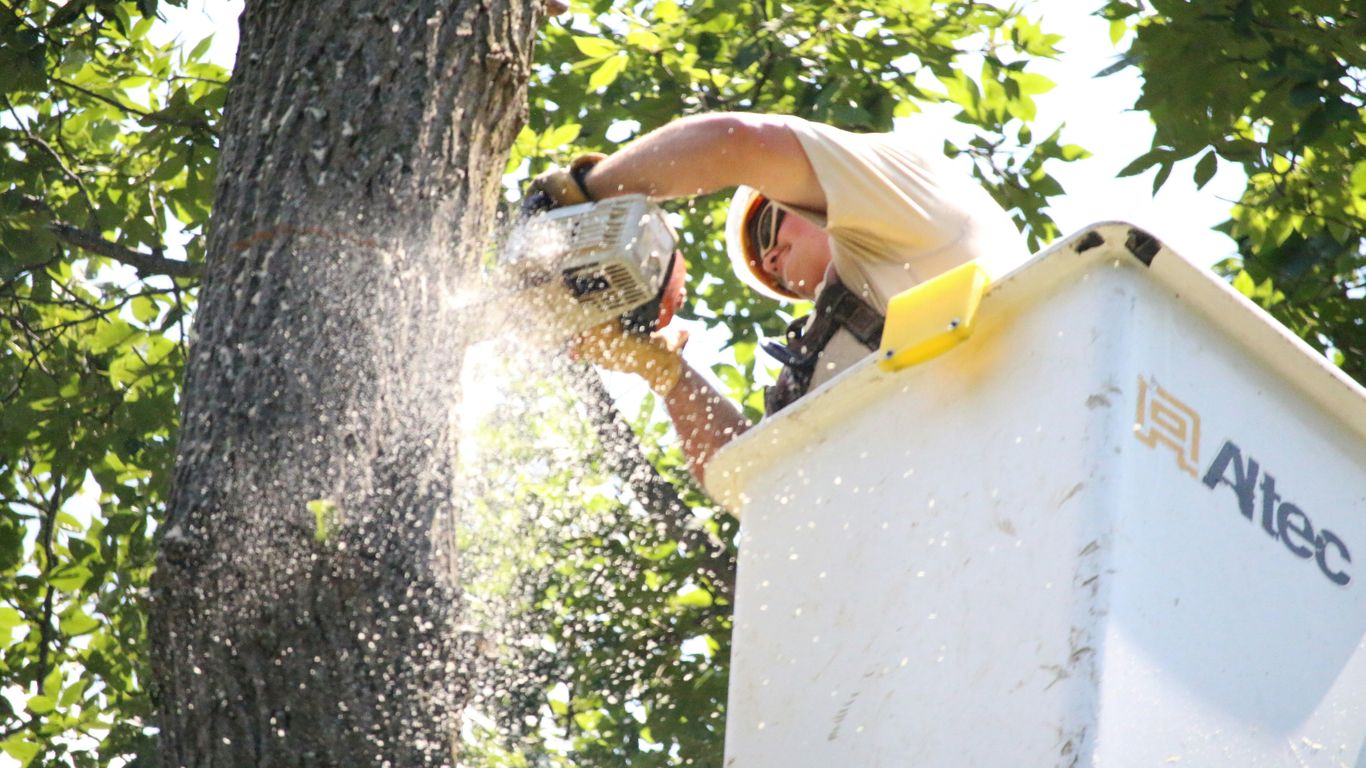
Tree trimming in progress from a bucket lift, worker using chainsaw to cut branches, surrounded by green foliage.

Safety is always top of mind for SWAT Mosquito Systems. Each installation is carefully calibrated to deliver maximum effectiveness with minimal exposure for people, pets, and pollinators. SWAT also offers eco-friendly and botanical spray options, giving families peace of mind while still delivering powerful protection.

Professional Installation for Optimal Safety

Getting the system installed correctly is a big deal. A good installer knows how to set up the nozzles so they spray where they need to – targeting those pesky insects – and importantly, away from places like outdoor kitchens, pools, or even your neighbor’s yard. They’ll also make sure the system is calibrated right, so it doesn’t use more pesticide than it should. Proper installation is key to minimizing drift and ensuring the system works effectively without causing unintended problems. It’s also important that the system itself, including the chemical reservoir, is locked up tight. This keeps curious little hands and paws out of harm’s way.

The Rise of Organic Spray Options

If you’re really concerned about chemicals, you’ll be happy to know there are more options these days. Many companies now offer organic or natural spray solutions. These often use plant-derived ingredients that break down more quickly in the environment. While they might need slightly more frequent application, they can be a great choice for families with very young children or pets, or for those who just prefer a more natural approach to pest control. It’s worth asking your installer about these alternatives.

Minimizing Exposure for Families and Pets

Even with the best setup, it’s smart to be mindful of when the system sprays. Most systems have timers, and you can set them for times when your family and pets are usually inside. Think early mornings or late evenings, when certain bugs are most active anyway. Some advanced systems even have sensors that can detect rain or wind, pausing the spray cycle to avoid waste and unnecessary application. It’s all about smart, targeted treatment. Remember, even though the pesticides used are assessed for safety when applied correctly, it’s always best to limit direct exposure. If you’re looking for a way to enjoy your yard more, these systems can be a great help, especially when considering automated mosquito misting systems.

Here are a few more points to keep in mind:

  • Read the Label: Always know what pesticide is being used and follow the label instructions. It’s your best guide.
  • Check Local Rules: Regulations can vary by state, so it’s good to be aware of any specific rules in Florida.
  • Regular Maintenance: Keep an eye on your system. Leaks or malfunctions can happen, and catching them early prevents bigger issues.

While these systems are designed to be safe when used as directed, it’s important to remember that pesticides are still chemicals. Being informed and taking simple precautions can make a big difference in protecting your loved ones and the environment around your home.

Choosing The Right Automatic Insect Spray System

Thinking about installing a system at your Florida home? Choosing the right provider makes all the difference. SWAT Mosquito Systems specializes in designing and maintaining automated misting systems that are tailored to your property’s layout and pest challenges—so you get professional-grade protection year-round.

Key Features to Consider

When you’re shopping around, there are a few things that really make a difference in how well a system performs. You want something that’s going to be effective without being a hassle. Think about what your main pest problem is – mosquitoes, no-see-ums, or something else? Different systems are better suited for different challenges. Also, consider the size of your yard and where the bugs seem to hang out the most. A good system should be able to cover those problem areas effectively.

  • Coverage Area: Does it reach all the spots you need it to?
  • Spray Frequency: How often does it mist, and can you adjust that?
  • Tank Size: How often will you need to refill the solution?
  • Pesticide Type: Are you looking for conventional or organic options?

Intelligent Scheduling and Remote Access

This is where the “automatic” part really shines. You don’t want a system that’s just spraying randomly. Look for systems that let you set specific times for misting. For instance, you might want it to mist just before dusk when mosquitoes are most active, or maybe early in the morning. Even better are systems with remote access. Imagine being able to turn on an extra mist cycle from your phone if you’re having an impromptu backyard barbecue and notice bugs starting to appear. That kind of control is a game-changer for enjoying your outdoor space.

The best systems offer flexibility. You want to be able to tailor the misting schedule to your lifestyle and the specific times pests are most bothersome in your area. This prevents unnecessary spraying and ensures protection when you actually need it.

Quality Nozzles and Professional Installation

Don’t overlook the small stuff, like the nozzles. The quality of the nozzles affects how fine the mist is and how evenly it’s distributed. Cheap nozzles can clog easily or spray in big, uneven drops, which isn’t ideal. And while some systems might seem like a DIY project, professional installation is really the way to go. An experienced installer knows how to place the nozzles for the best coverage, calibrate the system correctly, and make sure it’s safe for your family and pets. They can also help you understand the best mosquito misting systems available for Florida homes. Getting it set up right the first time saves a lot of headaches down the road.

Feature Importance
Nozzle Material Durability, clog resistance
Nozzle Spray Pattern Even distribution, effective coverage
Installation Expertise Proper placement, calibration, safety checks
System Calibration Correct application rates, regulatory compliance
Remote Control Convenience, on-demand treatment capabilities

Low Maintenance, High Impact Solutions

Nobody wants to spend their weekends lighting candles or reapplying bug spray. With SWAT Mosquito Systems, once your system is installed, maintenance is minimal. SWAT’s team handles refills, inspections, and seasonal adjustments so your protection never skips a beat. It’s truly a “set it and forget it” approach to pest control.

Minimal Effort After Installation

After the initial setup, which is handled by professionals, your system is ready to go. You won’t be spraying yourself down every time you step outside. The system operates on a schedule, meaning your yard is treated automatically, often at times when you’re not even using it, like early morning or late evening. This means you can step outside anytime and enjoy your space without worrying about pests.

Occasional Refills for Continuous Operation

The only real task you’ll have is refilling the solution tank periodically. Depending on the size of your system and how often it mists, this might be every few weeks or months. Many companies offer services to handle these refills for you, making it even easier. It’s a far cry from the daily or weekly upkeep that other methods demand. For homeowners in the Tampa Bay Area, finding a reliable provider for these refills and maintenance is key to uninterrupted comfort.

Long-Term Benefits Over Short-Term Fixes

Think about it: handheld sprays only cover a small area and last a short time. Candles and traps offer even more limited protection. An automatic system, however, provides full-yard coverage and works consistently over the long haul. It’s a one-time investment in ongoing peace of mind. Here’s a quick look at how they stack up:

Solution Type Coverage Duration Maintenance
Automatic Misting System Full-yard Long-term Low
Handheld Sprays Small areas Short-term Medium
Mosquito Candles Tiny radius Very short High
Mosquito Traps Limited zones Varies Medium

The consistent, automated application means you’re not relying on memory or convenience to stay protected. It’s a set-it-and-forget-it approach to pest control that actually works.

Choosing an automatic system is about reclaiming your outdoor living space without adding more chores to your busy life. It’s a smart, effective way to deal with Florida’s persistent insect issues, offering a level of comfort and convenience that traditional methods just can’t match. These systems are a popular choice for residential use for good reason.

Addressing Specific Florida Insect Challenges

Combating Mosquitoes in Humid Climates

Florida’s warm, humid weather is basically a breeding ground for mosquitoes. They thrive in standing water, which we get plenty of, especially after a good rain. While screened porches offer some relief, they aren’t a complete shield. Doors open and close, and let’s be honest, sometimes those screens aren’t perfect. Automatic misting systems tackle this head-on. They’re programmed to mist at key times, like dusk and dawn when mosquitoes are most active, creating a protective barrier around your property. This means you can actually enjoy your yard without constantly swatting or worrying about bites.

Controlling Midges and Other Biting Insects

It’s not just mosquitoes that make Florida living a challenge. Those tiny, biting midges, often called ‘no-see-ums’, can be incredibly annoying, especially near coastal areas or bodies of water. They’re small enough to sneak through screens and can make an evening outdoors miserable. Automatic misting systems are effective against these and other pests like gnats and biting flies. The fine mist reaches areas where these insects hide and breed, significantly reducing their population and giving you back your outdoor space.

Post-Hurricane Pest Management

Hurricanes are a harsh reality here, and the aftermath often brings a surge in insect populations. Flooding and standing water create ideal conditions for mosquitoes to multiply rapidly. After a storm, you need a quick and effective way to regain control of your yard. An automatic misting system gives you that power. Many systems come with remote or app control, allowing you to initiate extra misting cycles as needed, directly addressing the sudden influx of pests without having to wait for professional services to become available. It’s about having immediate control when you need it most.

The Advantages Over Traditional Methods

Look, we’ve all been there. You want to enjoy a nice evening on the patio, maybe grill some burgers, but then the mosquitoes descend. You grab the citronella candles, maybe a can of bug spray, and hope for the best. It’s a constant battle, right? You’re reapplying spray every hour, blowing out candles, and still end up with itchy bites. It’s just not cutting it anymore, especially here in Florida where the bugs seem to thrive year-round.

Full-Yard Protection vs. Limited Coverage

Traditional methods like bug sprays or candles only offer a small bubble of protection. You’re basically stuck in one spot, or you’re constantly moving around, trying to stay ahead of the pests. It’s exhausting and, frankly, pretty ineffective for truly enjoying your outdoor space. An automatic misting system, on the other hand, creates a protective barrier around your entire property. Think of it like this:

  • Sprays: A small, temporary shield.
  • Candles: A localized, often smoky, deterrent.
  • Automatic Misting System: A consistent, property-wide defense.

This means you can actually relax on your deck, let the kids play in the yard, or host a barbecue without everyone swatting at the air. It’s a game-changer for reclaiming your backyard.

Long-Term Efficacy Compared to Temporary Solutions

Let’s be honest, those cans of bug spray don’t last long, and you’re constantly buying more. Candles burn out, and their effectiveness wanes quickly. It’s a recurring expense and a lot of hassle for minimal, short-term relief. An automatic system, once installed, works on a schedule. It’s designed for continuous protection, tackling pests before they even become a nuisance. You set it and forget it, and it keeps working day after day, season after season. This consistent approach is far more effective than constantly reapplying or relighting.

Cost-Effectiveness Against Home Additions

While the initial investment in an automatic misting system might seem higher than a can of spray, consider the long-term costs. You’re not constantly buying refills for sprays or replacing candles. Plus, think about the value it adds to your home. Imagine being able to use your entire yard, every day, without being bothered. That’s a significant improvement in your quality of life. It’s an investment in enjoying your home and property to its fullest, rather than a recurring expense for a temporary fix. Over time, the system pays for itself in convenience and the sheer enjoyment you get from your outdoor living space.

The real benefit comes from the peace of mind. Knowing that your yard is protected, allowing you to spontaneously enjoy the outdoors without a second thought about bug spray or itchy bites, is incredibly valuable. It transforms your backyard from a place to avoid into a true extension of your home.

Finding Local Expertise For Your System

When it comes to Florida pests, local expertise matters. With over a decade serving homeowners across South Florida, SWAT Mosquito Systems understands the unique challenges of our climate—from post-storm mosquito surges to year-round humidity. Their certified technicians design, install, and maintain systems built specifically for your property.

Importance of Local Knowledge

Think about it: Florida has its own unique pest challenges. A company that’s been serving your specific county for a while will have a better handle on the local mosquito season, the types of midges that bug people, and even how to manage pests after a big storm. They’ve seen it all and know what works best right here. This local insight is key to getting a system that truly solves your problem. It’s not just about installing a box; it’s about tailoring a solution to your backyard’s specific needs.

Verified Customer Reviews and Service Areas

Before you pick a company, do a little digging. Look for businesses that have good reviews from other homeowners in your area. Check out their service map to make sure they cover your neighborhood. A company that’s been around and has happy customers is usually a safe bet. You want someone who’s reliable and has a track record of success. It’s also smart to see if they offer custom installation and maintenance plans that fit what you need.

Custom Installation and Maintenance Plans

No two yards are exactly alike, right? That’s why a good local provider will come out, check out your property, and design a system just for you. They’ll figure out the best places for the nozzles and make sure the system covers all the spots where bugs tend to hang out. They should also have a plan for keeping the system running smoothly, including regular check-ups and refills. This way, you’re not left guessing about how to maintain it yourself. It’s all about getting continuous protection without a lot of hassle on your end.

Ready to take back your backyard? SWAT Mosquito Systems makes it simple. From custom design to installation and maintenance, our experts deliver safe, effective mosquito misting systems that keep your outdoor spaces enjoyable all year long.

Contact SWAT Mosquito Systems today to schedule your free consultation and discover how easy it is to enjoy a mosquito-free Florida lifestyle.

Taking Back Your Yard

So, it’s pretty clear why so many folks in Florida are looking into these automatic bug spray systems. Forget constantly swatting at mosquitoes or feeling like you can’t even step outside after dinner. These systems offer a way to get continuous protection without you having to lift a finger, beyond the initial setup and occasional refills. Whether you’re dealing with mosquitoes, no-see-ums, or other biting pests, these systems can be set up just for your yard, hitting the spots where the bugs hang out. Plus, with options for more natural sprays, it’s a solution that works for pretty much everyone, even if you have kids or pets running around. It really seems like a smart move to enjoy your Florida home and yard without the constant bug battle.

Even though summer is winding down, don’t pack away those bug sprays just yet. Florida’s warm fall weather is actually a perfect setup for mosquitoes to keep buzzing around. It turns out, the Sunshine State doesn’t really get a break from these pests. This means we need to stay aware and keep up with mosquito control in fall to avoid annoying bites and potential health risks.

Key Takeaways

  • Florida’s warm temperatures and high humidity create ideal conditions for mosquitoes to breed and stay active throughout the year, with no real ‘off-season’ unless extreme weather hits.
  • Mosquitoes breed in even small amounts of standing water, making backyards with items like clogged gutters, plant trays, and unused containers prime breeding grounds.
  • Common Florida mosquito species like Aedes aegypti and Culex quinquefasciatus are active at different times of day and can transmit diseases such as Zika, dengue, and West Nile virus.
  • Effective mosquito control in fall involves eliminating standing water sources around your property and regular inspections to find and remove potential breeding sites.
  • Protecting yourself involves using insect repellents, wearing appropriate clothing, and understanding the local health risks associated with mosquito-borne illnesses.

Florida’s Persistent Mosquito Season

Even though the calendar might say fall, Florida’s weather often feels more like a lingering summer. This warm spell is exactly what mosquitoes need to keep buzzing around. Forget about a true ‘off-season’ for these pests; Florida’s climate is just too inviting for them to pack it in.

Year-Round Activity Despite Cooler Temperatures

While some parts of the country might see mosquito populations dwindle significantly when the temperatures drop, Florida is a different story. The state’s generally mild winters mean that mosquitoes don’t face the same kind of harsh conditions that would typically wipe out their numbers elsewhere. This lack of a hard freeze allows many mosquito species to survive and even reproduce throughout the year. It’s not uncommon to still get bitten in December or January, especially in the southern parts of the state.

No True ‘Off-Season’ Without Extreme Conditions

For mosquitoes to really disappear in Florida, you’d need prolonged, unusually cold weather or extended periods of extreme dryness. These conditions are rare and usually don’t last long enough to completely eliminate mosquito populations. Even a few warm days can be enough for surviving mosquitoes to become active again and start laying eggs. This means that for all practical purposes, Florida doesn’t really have a break from mosquitoes, making consistent prevention efforts important.

Warm Fall Weather Fuels Mosquito Survival

Fall in Florida is often characterized by warm days and high humidity, which are perfect conditions for mosquitoes. Temperatures frequently stay within the ideal range of 70°F to 90°F, allowing for rapid breeding cycles. The abundant rainfall that often accompanies fall also creates plenty of standing water, providing ample breeding grounds. This combination of warmth and water means that mosquito activity doesn’t just continue into the fall; it can actually thrive, making it a critical time for homeowners to stay vigilant about mosquito control. It’s a good idea to check your yard for standing water sources regularly, especially after a rain shower. You can find more information on mosquito season in Florida.

The persistent warmth and humidity in Florida, even during the fall months, create an environment where mosquitoes can easily find food, water, and places to lay their eggs. This continuous cycle means that mosquito problems don’t simply end when summer does.

Ideal Conditions For Mosquito Proliferation

Florida’s warm, humid climate is basically a five-star resort for mosquitoes. It’s no wonder they seem to be everywhere, all the time. They really love it here, and honestly, it’s not hard to see why.

Warm Temperatures Between 70°F and 90°F

Mosquitoes are cold-blooded, so their activity levels are directly tied to the temperature around them. They really get going when it’s between 70 and 90 degrees Fahrenheit. This temperature range speeds up their metabolism, meaning they can develop from egg to adult much faster. It also makes them more active, so they’re out and about, looking for their next meal. Florida’s weather often stays in this sweet spot for a good chunk of the year, giving mosquitoes plenty of time to breed and thrive. It’s this consistent warmth that really keeps the mosquito population buzzing.

High Humidity and Frequent Rainfall

Humidity is another big factor. Mosquitoes need moisture, and high humidity helps keep them from drying out, especially during the day when they’re trying to rest. Florida’s air is often thick with moisture, which is a big plus for these insects. Then there’s the rain. Frequent downpours, common in Florida, create puddles and damp areas everywhere. This is exactly what mosquitoes need to lay their eggs. Even a small amount of water can be a nursery for mosquito larvae. It’s a cycle that just keeps going, especially during the rainy season, which can extend well into the fall [ea23].

Abundant Standing Water Sources

This is probably the most critical element. Mosquitoes can lay eggs in just about any container that holds water, even a bottle cap full. Think about all the places water can collect around your home: clogged gutters, old tires, plant saucers, birdbaths, forgotten buckets, even toys left out in the yard. These aren’t just minor inconveniences; they are prime real estate for mosquitoes to start their families. Without these standing water sources, mosquito populations would be much, much smaller. It’s amazing how quickly these little water collections can turn into a mosquito breeding ground if not managed properly.

Mosquito Breeding Grounds Around Your Property

It’s easy to forget that mosquitoes don’t just appear out of thin air. They need specific places to lay their eggs, and unfortunately, many common spots around our homes in Florida are perfect nurseries. Think about it: after a good rain, where does that water go? If it just sits there, you’ve basically set up a five-star hotel for mosquito larvae.

Common Backyard Water Collection Sites

Mosquitoes are incredibly resourceful. They don’t need a whole pond to get started; even a bottle cap full of water is enough for a female mosquito to lay her eggs. This means that even if your yard looks pretty clean, there are probably hidden spots where they’re multiplying. We’re talking about things like:

  • Old tires that collect rainwater
  • Buckets or containers left out after a project
  • Children’s toys that fill up with water
  • Plant saucers that hold excess moisture

The key is that any place water can sit undisturbed for more than a few days becomes a potential breeding ground.

The Role of Clogged Gutters and Plant Trays

Gutters are a big one. When leaves and debris pile up, they create dams that stop water from draining properly. This stagnant water is prime real estate for mosquitoes. And don’t forget those little trays under your potted plants. If you water your plants regularly, and the tray stays full, you’re creating a mini-breeding site right on your patio or porch. It’s amazing how quickly these small areas can contribute to the mosquito population around your home.

Birdbaths and Unused Containers as Nurseries

Even things that seem innocent, like a birdbath, can become a problem if the water isn’t changed frequently. Mosquitoes can breed in as little as an inch of water. So, if your birdbath isn’t getting a good refresh every couple of days, it’s probably hosting mosquitoes. The same goes for any unused container you might have lying around – from old paint cans to forgotten kiddie pools. These items are often overlooked, but they are a significant source of mosquitoes in many Florida neighborhoods. It’s a good idea to regularly check out common household items that can breed mosquitoes to get a better idea of what to look for.

Mosquitoes can complete their life cycle in as little as a week, meaning a small water collection can quickly turn into a large mosquito problem if not addressed promptly. This rapid reproduction cycle is why consistent vigilance is so important, especially during Florida’s warm fall months.

Mosquito Resting Habits And Food Sources

Mosquitoes, despite their short lifespans, are quite adept at finding places to rest and refuel. They aren’t just flying around constantly looking for a meal. Instead, they have specific habits that help them conserve energy and survive.

Shady Retreats in Dense Vegetation

When they’re not actively seeking blood meals or nectar, mosquitoes look for cool, dark, and humid spots to hang out. Think of dense bushes, overgrown grass, or even the undersides of leaves. These areas offer protection from the sun’s harsh rays and drying winds. This is especially important during the hotter parts of the day when they need to avoid overheating. They can stay in these quiet spots for days, waiting for the right time to become active again.

Conserving Energy in Cool, Dark Spaces

Mosquitoes are cold-blooded, meaning their body temperature depends on their surroundings. To manage this, they seek out places that help regulate their temperature. Under decks, inside sheds, or even in thick vegetation provide a stable, cooler environment. This allows them to conserve the energy they need for flying, mating, and, for the females, producing eggs. It’s a survival strategy that helps them make the most of their short lives.

Nectar and Outdoor Pets as Food

While we often focus on mosquitoes biting humans, it’s important to remember their food sources. Both male and female mosquitoes feed on plant nectar. This sugary liquid provides them with the energy they need to fly and live. However, only female mosquitoes require a blood meal. This blood is not for their own energy but is necessary for the development of their eggs. This means that outdoor pets, like dogs and cats, can also become targets for biting mosquitoes, especially if they spend a lot of time outside. If you’re dealing with a persistent mosquito problem, it’s a good idea to eliminate stagnant water sources around your property, as this is where they breed.

Understanding Mosquito Activity Patterns

Mosquitoes in Florida are pretty persistent, and knowing when they’re most active can help you avoid those annoying bites. It’s not just about when the sun goes down; different species have their own schedules.

Peak Activity During Dawn and Dusk

Most of the mosquitoes you encounter will be most active during the cooler parts of the day, specifically at dawn and dusk. This is when the air is a bit less hot and the humidity tends to be higher, which is just how they like it. These are the prime times for females to seek out a blood meal to develop their eggs. It’s a good idea to be extra cautious and use repellent during these hours if you’re planning to be outdoors.

Daytime Biting Species in Florida

Now, it’s not all about sunrise and sunset. Florida has some mosquito species, like the Aedes aegypti, that are perfectly happy to bite during the day. These guys are often found in more urban or suburban areas and can be a real nuisance if you’re out and about in the afternoon. They’re also the ones we worry about most when it comes to spreading diseases, so it’s important to be aware of them even when the sun is high in the sky. You can find more information on Florida’s mosquito issues to understand the risks.

Close Proximity of Breeding Sources

One thing that really makes mosquitoes stick around is how close their breeding grounds are to where we live and play. Mosquitoes don’t typically travel very far from where they hatch. This means if you’re seeing a lot of mosquitoes in your yard, the problem is likely right there with you. Think about all those little spots where water can collect – even a bottle cap full can be enough.

Here are some common places to check:

  • Unused plant pots and trays
  • Clogged gutters
  • Birdbaths that aren’t cleaned regularly
  • Old tires or buckets left outside

The key takeaway is that mosquitoes are opportunistic. They take advantage of the warm, wet conditions Florida offers year-round and the easy access to water and resting spots we often create unintentionally around our homes. Understanding their habits helps us target where and when to take action.

Key Mosquito Species In Florida

Florida’s warm, humid climate is a magnet for mosquitoes, and not all of them are just a minor annoyance. Some species are particularly adept at spreading diseases that can make people quite sick. It’s good to know which ones are most common and what they’re known for.

Aedes Aegypti: Daytime Biter and Disease Vector

The Aedes aegypti mosquito, often called the yellow fever mosquito, is a significant concern in Florida. This species is a daytime biter, which means you might get a surprise bite while you’re out and about during the day, not just at dawn or dusk. It’s a known carrier for viruses that cause dengue, chikungunya, yellow fever, and Zika. Because Florida is a major travel hub, this mosquito can easily find its way into the state and spread these diseases. They like to lay their eggs in small containers of standing water around homes, like plant pots or old tires.

Culex Quinquefasciatus: Urban Nighttime Feeder

Another common mosquito you’ll find in Florida, especially in more developed areas, is the Culex quinquefasciatus, or southern house mosquito. These guys are typically more active during the cooler parts of the day, like dawn and dusk, and into the night. While they might feed during the day too, their peak activity is when many people are winding down. They’re often found breeding in urban environments, taking advantage of the various water sources that pop up in neighborhoods.

Anopheles Species: Malaria Transmission Potential

While less common than the Aedes or Culex mosquitoes in terms of daily nuisance, Anopheles species are important to mention because of their historical link to malaria transmission. These mosquitoes also tend to bite around dawn, dusk, and at night. They generally prefer to breed in larger bodies of freshwater, like ponds and lakes, though they can be found in other areas too. Although malaria transmission is not widespread in Florida today, the presence of these mosquitoes means the potential is there, especially with global travel bringing new strains into the area.

It’s important to remember that not all mosquitoes carry diseases. Many species feed on nectar and plant juices. However, the ones that do bite humans can pose serious health risks, making mosquito control and personal protection measures vital in Florida.

Health Risks Associated With Florida Mosquitoes

Mosquitoes in Florida aren’t just an annoyance; they can actually transmit some pretty nasty diseases. It’s not like every single mosquito is carrying something bad, but the risk is definitely there, especially with the warm weather we get year-round. You know, that constant humidity and all the standing water we have? It’s like a buffet for them and a potential problem for us.

Vectors for Dengue and Malaria

Florida’s climate is unfortunately quite welcoming to mosquitoes that can spread diseases like dengue and malaria. While malaria isn’t super common here anymore, dengue pops up now and then, mostly in the southern parts of the state. The mosquitoes responsible, like the Aedes aegypti and Aedes albopictus, are active during the day, which means you can get bitten even when you’re out and about. Dengue can make you feel like you have a really bad flu, with high fever and aches, and sometimes it can get much more serious. It’s a good idea to be aware of local health advisories about these diseases.

Transmission of Zika and Chikungunya

We’ve also got mosquitoes that can carry the viruses for Zika and chikungunya. Zika is particularly concerning for pregnant women because it can cause serious birth defects. Chikungunya causes fever and severe joint pain that can stick around for a long time. These viruses can be introduced into Florida through travel, and then our local mosquito populations can spread them further. It really highlights why controlling mosquito populations is so important for public health.

Potential for West Nile Virus

Then there’s West Nile virus. This one is pretty widespread and can cause a range of symptoms, from mild flu-like feelings to more severe neurological issues like encephalitis or meningitis. In rare cases, it can even be fatal, especially for older adults or people with weakened immune systems. The good news is that taking simple steps to avoid mosquito bites can significantly lower your risk of contracting West Nile virus.

It’s easy to think of mosquitoes as just a summer pest, but in Florida, they’re a year-round concern. The diseases they carry are a serious reminder to stay vigilant about protection and control measures, especially as the weather stays warm.

Here are some common mosquito-borne diseases found in Florida:

  • Dengue Fever: Causes severe flu-like symptoms, rash, and muscle pain. Can develop into a more dangerous hemorrhagic fever.
  • Malaria: Though rare, symptoms include chills, fever, and anemia. Transmitted by Anopheles species.
  • Zika Virus: Can cause fever, rash, and joint pain. A major concern for pregnant women due to birth defect risks.
  • Chikungunya: Leads to severe joint pain, fever, and fatigue, which can last for months.
  • West Nile Virus: Can cause fever, headache, body aches, and in severe cases, neurological illness.
Disease Primary Mosquito Vector(s) Common Symptoms
Dengue Fever Aedes aegypti, Aedes albopictus High fever, severe headache, muscle/joint pain, rash
Malaria Anopheles species Chills, fever, sweats, fatigue
Zika Virus Aedes aegypti, Aedes albopictus Fever, rash, joint pain, conjunctivitis
Chikungunya Aedes aegypti, Aedes albopictus Sudden fever, severe joint pain, headache, fatigue
West Nile Virus Culex species Fever, headache, body aches, vomiting, rash

Effective Mosquito Control In Fall

Even with the cooler temperatures that fall usually brings, Florida’s mosquitoes are pretty persistent. It feels like you can never quite get rid of them, right? The warm weather we’ve been having just gives them more time to hang around and cause trouble. But don’t worry, there are definitely things you can do to fight back and take your yard back. It’s all about being smart and consistent with your efforts.

Eliminating Standing Water Sources

This is probably the most important step you can take. Mosquitoes need standing water to lay their eggs, and they can use the tiniest amount. Seriously, a bottle cap full is enough for some species. So, after every rain, or even just when you’re watering your plants, make sure to dump out any water that’s collected in:

  • Plant saucers
  • Buckets and old toys left outside
  • Birdbaths (refresh them every few days)
  • Clogged gutters
  • Anything else that can hold water

Getting rid of these little water traps is key to breaking the mosquito life cycle. It stops them before they even become flying pests.

Regular Property Inspections for Breeding Sites

Think of yourself as a mosquito detective. You need to regularly check your property for places where water might be pooling. This includes:

  • Checking under decks and porches for hidden puddles.
  • Looking at any tarps or covers that might be collecting water.
  • Making sure your trash can lids aren’t holding water.
  • Trimming back dense vegetation where adult mosquitoes like to rest during the day.

It’s easy to overlook these spots, but mosquitoes are masters at finding them. A quick walk around your yard once a week can make a big difference. If you’re looking for ways to protect your Florida home, consistent yard maintenance is a great start [from ee6b].

Professional Mosquito Treatment Options

Sometimes, despite your best efforts, the mosquito problem is just too much to handle on your own. That’s when it might be time to call in the pros. Companies that specialize in mosquito control know the habits of local species and can target breeding grounds and adult mosquitoes effectively. They often use treatments that are safe for families and pets when applied correctly. If you’re tired of swatting and itching every time you step outside, professional help can provide a more lasting solution and let you enjoy your yard again.

Dealing with mosquitoes in Florida’s warm fall weather requires a proactive approach. Focusing on eliminating standing water and regularly inspecting your property are the most effective ways to reduce their numbers. Don’t underestimate the power of these simple steps in keeping your outdoor spaces enjoyable.

Personal Protection Strategies

Even with all the efforts to control mosquito populations, sometimes you just need to go outside. When that happens, protecting yourself is key. It’s not just about avoiding itchy bites; it’s also about preventing the spread of diseases that mosquitoes can carry. Thankfully, there are several straightforward ways to keep those buzzing pests at bay.

Using Effective Insect Repellents

When you’re heading outdoors, especially during peak mosquito hours, applying a good insect repellent is your first line of defense. Look for products containing DEET, Picaridin, or IR3535. These ingredients are proven to be effective at keeping mosquitoes away. Oil of Lemon Eucalyptus is another option derived from natural sources that can offer good protection. Always follow the product’s label instructions, particularly when applying to children. Applying repellent to clothing can also add an extra layer of protection.

Wearing Protective Clothing

Think of your clothing as a physical barrier against mosquito bites. Wearing long sleeves and long pants is one of the simplest yet most effective ways to reduce your exposure. Opt for lighter colors, as mosquitoes tend to be attracted to darker hues like black, red, and orange. If you’re going to be in an area with a lot of mosquitoes, consider tucking your pants into your socks. For added protection, especially around your head and neck, you can even spray hats with repellents that contain permethrin, but remember not to apply permethrin directly to your skin.

Understanding Local Disease Risks

It’s wise to be aware of the specific mosquito-borne diseases that are active in Florida. Knowing what risks are present in your area can help you take more targeted precautions. For instance, understanding which mosquito species are most common and what diseases they carry can inform your decisions about when and where you spend your time outdoors. Staying informed about local health advisories is always a good idea, especially during warmer months when mosquito activity is high.

Being prepared is half the battle when it comes to mosquitoes. Combining repellents, appropriate clothing, and awareness of local health concerns creates a strong defense system against bites and potential illnesses.

The Impact of Climate Change on Mosquitoes

It’s no secret that Florida’s weather has been getting warmer, and this isn’t just making our summers longer. This shift is having a pretty big effect on mosquitoes, basically giving them a longer lease on life throughout the year. Warming temperatures caused by climate change are allowing mosquitoes to expand their range and lengthen their seasons of activity. This means we’re seeing more of these buzzing pests for more months out of the year, which can be a real nuisance and, more importantly, increase the risk of mosquito-borne illnesses.

Warming Temperatures Extend Mosquito Seasons

Think about it: mosquitoes are cold-blooded. Their activity levels are directly tied to the temperature around them. When temperatures stay in that sweet spot, generally between 70°F and 90°F, they’re not just surviving, they’re thriving. As average temperatures creep up, especially during what used to be cooler fall months, mosquitoes find themselves in a perpetual summer. This extended warmth means more time for them to breed, feed, and spread. It’s not just about comfort; it’s about the entire life cycle of the mosquito being accelerated and prolonged. This is why we’re seeing mosquito activity well into months that were once considered cooler, impacting areas that might not have previously been prime mosquito territory.

Shifting Geographic Ranges for Disease Vectors

As the planet warms, the areas where disease-carrying mosquitoes can survive and reproduce are changing. Mosquitoes that were once confined to more tropical or subtropical regions are now finding suitable habitats further north and south. This geographic expansion is a major concern because it introduces the potential for mosquito-borne diseases to appear in new places. For instance, species like Aedes aegypti, known for transmitting dengue and Zika, are becoming more established in areas they couldn’t previously tolerate. This means public health officials and residents in these newly affected areas need to be prepared for potential outbreaks.

Increased Potential for Disease Outbreaks

When mosquitoes are active for longer periods and can inhabit new regions, the chances of disease transmission naturally go up. More mosquito activity means more opportunities for them to pick up pathogens from infected individuals and then pass them on to others. This creates a cycle that can lead to more frequent and potentially larger outbreaks of diseases like West Nile virus, dengue, and even malaria. The interconnectedness of global travel also plays a role; as mosquitoes move into new areas, they can carry diseases with them, posing a significant challenge to public health systems. Being aware of these shifting risks is key to staying protected.

The interplay between changing weather patterns and mosquito populations is complex. While warmer temperatures are a primary driver, other factors like rainfall, urbanization, and land use also contribute to where and when mosquitoes thrive, and consequently, where disease risks are highest.

Climate change is making mosquitoes thrive in new places. As the weather warms up and stays that way longer, these pesky insects can spread to areas they couldn’t before. This means more mosquitoes in more neighborhoods. Want to learn how to keep your yard mosquito-free? Visit our website today for solutions!

So, What Does This Mean for You?

Basically, Florida’s warm fall means mosquitoes aren’t going anywhere. They love the heat and humidity, and with all the rain we get, there’s always water sitting around for them to lay eggs in. Plus, they’ve got plenty of shady spots to chill out. It’s not just about swatting them away, either. Some mosquitoes can carry diseases, so it’s smart to be aware. The best bet is to get rid of any standing water you can find – check those plant pots, gutters, and anywhere else water might collect. If you’re still getting swarmed, it might be time to call in the pros. Staying vigilant about these pests is key to enjoying your time outdoors, even when the weather is nice for them.

Fall is here, and with it comes the rush of the holidays. Before you get caught up in decorations and gift-buying, consider giving your pest control business a much-needed upgrade. Automating key operations can free up your time, boost customer satisfaction, and even help you predict future pest problems. Think about streamlining your daily tasks, ensuring you’re always available for new clients, and using smart technology to manage your business more effectively. It’s about working smarter, not harder, so you can enjoy the festive season without the added stress of missed calls or overwhelming administrative work. This isn’t just about staying competitive; it’s about building a more robust and efficient business for the long run, perhaps even looking at services like mosquito misting for your clients.

Key Takeaways

  • An AI appointment setter works all day and night, so you don’t miss out on potential customers, even when your office is closed.
  • It simplifies appointment booking for customers and helps keep your technicians’ schedules organized and efficient.
  • These AI tools can connect with your existing systems, like your customer records, to keep all your information current.
  • Using an AI receptionist can reduce your business expenses compared to hiring more staff.
  • Better customer interactions and quicker responses lead to happier clients and more confirmed jobs.

Automate Your Pest Control Business Operations

Running a pest control business means juggling a lot. You’ve got technicians in the field, customer calls coming in, and all the paperwork that goes with it. It’s easy for the administrative side to eat up valuable time that could be spent on actual pest control. Automating routine tasks really shines here. Think about the daily grind: answering the phone, booking appointments, sending reminders, and answering the same questions over and over. An AI appointment setter can take all of that off your plate. It handles the initial contact, gathers necessary information, and schedules appointments based on your availability. This frees up your human staff to concentrate on what they do best – providing expert pest control services.

Streamline Daily Administrative Workloads

An AI receptionist can manage a significant portion of your daily administrative workload. This includes answering frequently asked questions about services, pricing, and pest identification. It can also gather initial customer details, like the type of pest and the location of the issue. This means your front desk staff, or even you, aren’t spending hours on the phone with basic inquiries. It’s about making sure the first impression is efficient and professional, even before a technician arrives.

Focus On Core Services, Not Burdens

When administrative tasks are automated, your team can dedicate more time and energy to what truly matters: solving pest problems for your clients. This shift allows for more thorough inspections, better treatment planning, and ultimately, happier customers. Instead of getting bogged down in scheduling conflicts or chasing paperwork, your skilled technicians can focus on their expertise. This leads to better service delivery and a more fulfilling work environment for everyone involved.

Enhance Overall Operational Workflow

Implementing automation tools, like those found in comprehensive pest control software, creates a smoother flow from the initial customer contact to the final service completion. It means less chance of errors, better communication between office staff and field technicians, and a more organized approach to managing jobs. This integrated system helps ensure that every step of the process, from booking to billing, is handled efficiently and effectively, reducing bottlenecks and improving overall productivity.

Unlock 24/7 Availability For Your Service

Think about when pest problems usually pop up. It’s rarely between 9 AM and 5 PM on a Tuesday, right? More often than not, it’s a mouse scurrying across the kitchen floor at midnight or a wasp nest discovered on a Sunday afternoon. If your phone line goes silent after business hours, you’re essentially telling those worried homeowners to find someone else. An AI appointment setter acts like your always-on receptionist. It’s there to answer basic questions and even book an appointment when your team is off the clock. This means you’re not losing business just because it’s after hours. It’s a straightforward way to make sure every inquiry gets handled, turning those late-night worries into scheduled service calls. This kind of constant availability is a game-changer for capturing leads that would otherwise slip away.

Never Miss A Lead With Round-the-Clock Support

When a pest problem arises, people want a solution, and they want it fast. They aren’t usually thinking, ‘I’ll wait until Monday morning to call about these ants.’ If they can’t reach you immediately, they’ll likely search for a competitor who can answer their call. An AI receptionist provides that instant connection, offering helpful information and the ability to schedule service 24/7. This not only helps capture more leads but also makes customers feel like you’re a reliable service they can count on, any time of day or night. It builds trust and shows you’re serious about meeting their needs. You can learn more about how services like Frontdesk can help manage these off-hours inquiries.

Benefits Of Continuous Customer Accessibility

Being available all the time really changes the game for a pest control business. Customers today expect to get information and book services whenever it’s convenient for them, not just when your office is open. This constant availability means you’re always in the running to win new business, no matter when the pest problem decides to appear. It’s like having an extra team member working tirelessly in the background, making sure no potential customer is ever turned away due to office hours. This automation means fewer scheduling errors and less administrative work for your team. It can automatically book appointments based on technician availability and sends reminders to both customers and staff, reducing no-shows. This system helps keep the schedule organized and efficient.

Capture Opportunities Outside Business Hours

Your business doesn’t stop just because the clock hits 5 PM, and neither should your lead capture. Many pest issues arise during evenings, weekends, or holidays when your office is closed. Without an AI appointment setter, these are often missed opportunities. Imagine a homeowner finding termites late on a Saturday – they’ll likely search online and book with the first company that answers. An AI receptionist ensures that when these situations happen, your business is the one they reach. It can handle initial inquiries, gather necessary details like location and the type of pest, and schedule a consultation or service visit for when your team is back. This constant availability means you’re always in the running to win new business, no matter when the pest problem decides to appear. It’s like having an extra team member working tirelessly in the background, making sure no potential customer is ever turned away due to office hours.

Revolutionize Your Business With AI

Artificial intelligence isn’t just a buzzword anymore; it’s becoming a real tool that can change how your pest control business operates. Think of it as getting a super-smart assistant that works around the clock. This technology can handle a lot of the repetitive tasks that eat up your team’s time, freeing them up to focus on what they do best – pest control. AI can significantly lower business costs by automating tasks that previously required human intervention. It’s about making your operations smoother and more efficient.

Understanding The Role Of AI Receptionists

An AI receptionist is like having a virtual front desk that never sleeps. It can answer common questions, gather initial information from potential clients, and even schedule appointments. This means no more missed calls or leads slipping through the cracks, especially outside of regular business hours. It’s programmed to understand typical pest control inquiries and can provide instant, helpful responses. For example, it can identify common pests or explain basic treatment steps. This immediate interaction builds trust from the very first contact.

Key Takeaways For AI Appointment Setters

When you bring an AI appointment setter into your business, here’s what you can expect:

  • 24/7 Lead Capture: Never miss a potential customer, day or night. The AI is always on, ready to engage with inquiries.
  • Streamlined Scheduling: Appointments are booked directly into your calendar, often in real-time, reducing the chance of double bookings or errors.
  • Consistent Information: Every customer gets the same accurate answers to frequently asked questions, reinforcing your brand’s reliability.
  • Data Management: AI can integrate with your existing systems, like CRMs, to automatically log new lead information, saving your team valuable data entry time.

Lower Business Costs With Smart Technology

Using AI isn’t just about convenience; it’s also a smart financial move. By automating tasks like initial customer contact and appointment setting, you reduce the need for extensive administrative staff. This means lower payroll costs and less overhead. Plus, by capturing more leads and booking more appointments, you directly increase revenue potential. It’s about making your business run leaner and smarter. The technology can also help optimize technician routes and schedules, further cutting down on operational expenses. For a look at how this technology is impacting the broader service industry, consider how salons are using AI.

Enhance Customer Satisfaction With AI

When customers reach out, they want to feel heard and get their questions answered quickly. That’s where an AI receptionist really shines for pest control companies. It’s like having a super-efficient, always-available front desk that never gets overwhelmed.

Personalized and Prompt Responses

Think about it: a potential client calls with an urgent pest problem. Instead of waiting on hold or leaving a voicemail, they get an immediate, friendly response from the AI. It can ask clarifying questions, gather basic details about the pest issue, and even offer immediate advice if appropriate. This kind of instant, helpful interaction makes a huge difference. The AI can be programmed with specific responses tailored to common pest control inquiries, like identifying common insects or explaining treatment processes. This means customers get accurate information right away, building trust from the first contact. It’s about making every interaction count, no matter the time of day. This consistent, immediate attention makes customers feel valued and understood.

Instant Connection for Urgent Needs

Nobody likes waiting. For a pest control business, long wait times can mean lost business. An AI receptionist handles calls simultaneously, so there’s no more busy signals or endless hold music. If a customer needs to schedule an inspection, the AI can check technician availability in real-time and book it instantly. This speed is a game-changer. It means fewer missed opportunities and happier customers who feel their needs are being met promptly. For more detailed steps on selecting a reliable answering service, refer to this ultimate guide.

Build Trust With Reliable Service

Human error is natural, but it can be costly in business. An AI receptionist provides a consistent experience every single time. It pulls information from a central knowledge base, so whether it’s explaining service areas, pricing structures, or safety protocols, the answers are always the same and always correct. This consistency builds reliability and professionalism. Customers receive the same high-quality information regardless of who or what answers their call, which is great for maintaining a strong brand image. Making sure your new AI appointment setter plays nice with the tools you already use is a big deal. It’s not about replacing everything; it’s about making your current setup work smarter. Think of it like adding a new, super-efficient team member who already knows how to use your company’s software.

The Future Of Pest Control Services

The pest control world is changing, and fast. It’s not just about swatting bugs anymore; technology is stepping in to make things smarter and more efficient. We’re looking at a future where companies can actually predict pest problems before they even become a real headache. This means less reacting and more proactive care, which is a big deal for both businesses and homeowners.

Advancements In AI Technology Capabilities

Artificial intelligence is getting seriously good at spotting patterns. Think about AI systems that can look at sensor data, camera feeds, and even local weather reports to figure out when and where pests might pop up. This kind of predictive power lets technicians get ahead of issues, using treatments more precisely and often with fewer chemicals. It’s like having a heads-up on an infestation before it takes hold. Some systems are even using drones for initial site checks, cutting down on the time your team spends on routine inspections. This frees them up to focus on the actual pest issues, not just finding them. It’s a major step up from just dealing with problems as they arise.

Predicting Infestations Before They Start

Imagine getting an alert that says, ‘Hey, conditions are perfect for ants in this neighborhood next week.’ That’s the kind of future we’re moving towards. AI can analyze a lot of different data points – like temperature, humidity, and even local pest sighting reports – to forecast potential outbreaks. This allows pest control companies to schedule preventative treatments or alert clients, minimizing the impact of infestations. It’s about moving from a reactive model to a truly preventative one. This proactive approach can lead to more efficient operations and happier clients who don’t have to deal with a full-blown infestation.

Expanding AI’s Role In Customer Management

Beyond just booking appointments, AI is set to become a bigger part of keeping your customers happy. Picture an AI that can not only schedule a service but also give instant, clear answers to common questions about pest behavior or treatment plans. It can also help with follow-ups, sending reminders for upcoming services or providing post-service care instructions. This kind of consistent, round-the-clock support can really make a difference in how customers see your business. It’s about making sure customers feel informed from the first call to the final visit.

Embrace Digital Management For Smarter Operations

Running a pest control business these days is more than just spraying for bugs. It’s a whole operation with schedules, client details, equipment to track, and rules to follow. Trying to keep all of that straight with paper and phone calls? It’s a recipe for missed appointments and a lot of wasted time. Digital management is the way to get things running smoothly. It’s about using smart tools to handle the day-to-day stuff so you can actually focus on the pests.

The Intricacies of Modern Pest Control

Pests are tricky. Take bed bugs, for instance. They’re a growing problem, and getting rid of them is tough. Sometimes, you need special treatments like heat, and even then, they can be hard to find and kill. Then you’ve got rats, mice, wasps, cockroaches – each needs a different plan. Often, it takes more than one visit to sort out an infestation completely. On top of that, you’ve got to manage your team, make sure your gear is in good shape, and keep track of all your client information. Plus, safety rules are a big deal, especially with the chemicals involved. Without good systems, it’s easy to get buried in paperwork and delays.

Leveraging Advanced Tools to Automate Tasks

This is where digital tools really shine. Think about automating things like scheduling appointments, sending out reminders, or even tracking your technicians in the field. It’s about getting your information organized and making sure it’s easy to find. For example, using a system that can track your equipment with barcodes or QR codes means you always know where your specialized gear is. This kind of setup helps prevent issues before they even start. It’s also about making sure your team has the right information at their fingertips when they’re on a job. You can even use tools that help with compliance, making sure all the right safety steps are followed and documented right there on site. This helps keep everyone safe and the business out of trouble. It’s a big step up from trying to manage everything manually.

Improving Efficiency and Compliance Tracking

When you switch to digital management, you’ll notice a difference pretty quickly. Scheduling becomes less of a headache, and you can get technicians to jobs faster. Tracking compliance digitally means you have a clear record of safety checks, which is super important. Some companies have reported saving over 10 hours a week and cutting costs by more than 20% just by using the right software. It means less time spent on paperwork and more time spent on actual pest control. This makes your whole operation run better and keeps your clients happier because you’re more organized and reliable. It’s about making your business work smarter, not harder. For a look at how technology is changing pest monitoring, check out IoT systems.

Moving your operations to a digital platform isn’t just about keeping up with the times; it’s about building a more resilient and responsive business. It means your team can react faster to urgent calls and manage their workload more effectively, leading to better service for your customers and a more organized workflow for your staff.

Boris Software: A Tailored Digital Management Solution

Running a pest control business means juggling a lot of moving parts. You’ve got technicians in the field, equipment to track, and a constant stream of customer needs. It can get pretty hectic, right? That’s where a good digital management system comes in. Boris Software is designed to help companies like yours get a handle on all that complexity. It’s built to streamline your operations so you can focus on what you do best: getting rid of pests.

Think about all the paperwork and back-and-forth that goes into scheduling, managing your team, and keeping track of your gear. Boris aims to cut through that by bringing it all into one digital space. It’s not just about making things look neat; it’s about making your business run smoother and faster.

Workforce Management for Field Teams

Keeping tabs on your technicians is a big job. Boris helps with that by making it simple to manage things like timesheets, expenses, and even when your team is clocked in or out. This means you can schedule your qualified pest controllers more effectively and know where everyone is supposed to be.

Asset Tracking and Control

Your equipment is important. Whether it’s specialized tools for bed bug heat treatments or your fleet of service vehicles, Boris lets you keep track of it all. You can digitize your assets, maybe with barcodes or QR codes, so you always know where things are and how they’re being used. This helps prevent loss and makes sure the right gear is available when and where it’s needed.

Compliance Management for Safety Standards

Safety and regulations are a huge part of pest control. Boris helps you stay on top of this. It provides clear procedures, allows for photo capture of work done, and uses digital signatures to confirm tasks are completed correctly. This is really important for making sure you’re following all the rules, especially when it comes to using pesticides and keeping your team and clients safe.

Managing compliance digitally means fewer headaches and a more professional approach to safety. It builds confidence with your clients and protects your business.

Boris Software offers a way to organize the many details of running a pest control service. It helps manage your team, your equipment, and your adherence to safety rules, all from one place. This kind of organized approach can save you time and reduce costs, letting you serve your customers better.

Invest In Your Business’s Future

So, you’ve been thinking about making some changes to how your pest control business runs, especially with the holidays coming up. It’s a smart time to look at what’s working and what could be better. Investing in new technology, like an AI appointment setter, isn’t just about spending money; it’s about making your business stronger and ready for whatever comes next. Think of it as planting seeds now so you can have a better harvest later.

Calculate The Return On Investment

When you’re looking at new tools, the first thing most people want to know is, ‘Will this actually save me money or make me more money?’ That’s where calculating the return on investment, or ROI, comes in. It sounds fancy, but it’s pretty straightforward. You figure out how much you’re spending on the new system and then compare it to how much you expect to gain back in terms of saved time, more booked jobs, or reduced errors. For example, if an AI receptionist costs $500 a month but handles tasks that used to take an employee 40 hours a week (at, say, $20/hour), you’re already saving a good chunk of change. Plus, if that AI helps you book just a few extra jobs a month that you would have missed, that’s more money in your pocket.

Here’s a simple way to think about it:

  • Cost of AI System: Monthly fee for the software.
  • Time Saved by Staff: Hours freed up from administrative tasks.
  • Increased Revenue: New jobs booked due to 24/7 availability and faster responses.
  • Reduced Errors: Fewer missed appointments or incorrect bookings.

Looking at the numbers helps you see if a new tool is just a shiny gadget or a real business booster. It’s about making sure your money is working as hard as you are.

Test The Waters With Free Trials

Nobody wants to commit to something big without trying it out first, right? That’s why so many companies offer free trials for their AI appointment setters. This is your chance to see if it actually fits your business. You can set it up, let it handle some calls, and see how it performs. Does it answer questions correctly? Is it easy for your customers to interact with? Does it actually save your team time? Most trials last a week or two, which is usually enough time to get a good feel for the system. It’s a low-risk way to explore new technology and see the benefits firsthand before you sign any contracts.

Finding The Sweet Spot Of Value

When you’re looking at different AI solutions, you’ll notice prices can vary a lot. Some are super basic, and others come with all the bells and whistles. The trick is to find that sweet spot – the point where you get the features you really need without paying for a bunch of stuff you’ll never use. For a pest control business, you probably need an AI that can schedule appointments, answer common questions about services, and maybe even take basic customer information. You might not need it to write poetry or manage your social media. So, focus on what will directly improve your operations and customer interactions. Getting the right balance means you invest wisely and see a real, positive impact on your business. It’s about smart spending, not just spending less. You want a tool that grows with you, not one that becomes a problem later on.

The Impact Of AI On The Pest Control Industry

Artificial intelligence is really starting to shake things up in the pest control world. It’s not just about making phone calls easier anymore; AI is becoming a part of how companies operate, from the office to the field. Think about it – what if your business could actually predict when and where pests might show up, instead of just reacting after the fact? That’s the direction AI is heading, and it’s a pretty big deal.

More Efficient Operations

AI is getting smarter all the time. Systems are being developed that can look at information from sensors, cameras, and even weather reports to figure out when and where pests are likely to appear. This means your technicians can get ahead of problems, using fewer chemicals and being more precise with their treatments. It’s like having a crystal ball for bugs. This predictive ability is a major step up from just dealing with issues as they arise. For example, some systems use drones for initial inspections, cutting down the time technicians spend on routine checks. This lets your team focus on the actual pest problems, not just finding them.

Happier Customers

When customers call, they want to feel heard and get answers fast. An AI receptionist really shines here for pest control companies. It’s like having a super-efficient front desk that never gets overwhelmed. A potential client might call with an urgent pest problem. Instead of waiting on hold or leaving a message, they get an immediate, friendly response from the AI. It can gather details like name, address, the type of pest, and how urgent the situation is before passing the lead to a human. It can also send appointment confirmations and reminders, which helps reduce no-shows and keeps customers informed.

Sustainable Practices Through Reduced Chemical Use

AI’s ability to predict infestations and pinpoint treatment areas means less guesswork. This precision allows for more targeted applications of pest control products. Instead of broad spraying, treatments can be focused only where they are needed. This not only makes the treatment more effective but also significantly reduces the overall amount of chemicals used. This is a win for the environment and can also lead to cost savings for the business. It’s about making pest control smarter and more responsible.

The data gathered by AI systems can reveal patterns, like increased pest activity during certain months or in specific neighborhoods. This allows businesses to proactively adjust their strategies, perhaps by running targeted campaigns for seasonal pests or modifying service offerings to meet emerging needs. It’s about using information to make better business decisions.

Artificial intelligence is changing how we handle pests. Imagine smarter ways to find and get rid of bugs, making our homes and yards safer. This new tech helps pest control companies work better and faster. Want to learn more about how these advanced tools can protect your home from annoying insects? Visit our website today to see the latest solutions!

Get Ahead of the Bugs

So, as the leaves change and the holidays approach, it’s the perfect time to think about getting your pest control business ready. Automating things like appointment setting and customer inquiries means you won’t miss out on business, even when you’re not in the office. It’s not about fancy tech for tech’s sake; it’s about making your day-to-day operations smoother and making sure customers can reach you whenever they need help. By letting AI handle some of the busywork, your team can focus on what they do best – getting rid of pests. This fall, take a step towards a more efficient business, so you can actually enjoy the holiday season without worrying about missed calls or potential clients.